


George V Desk Accessory
A george v desk accessory brings practical refinement to a writing surface, combining period craftsmanship with functional everyday utility.
George V Desk Accessory
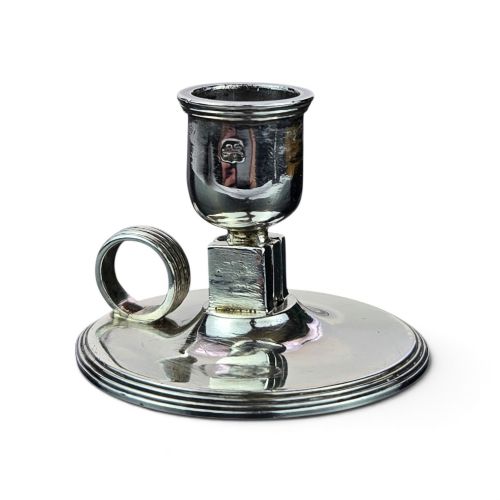
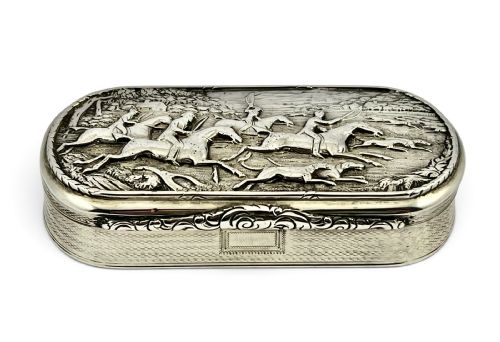
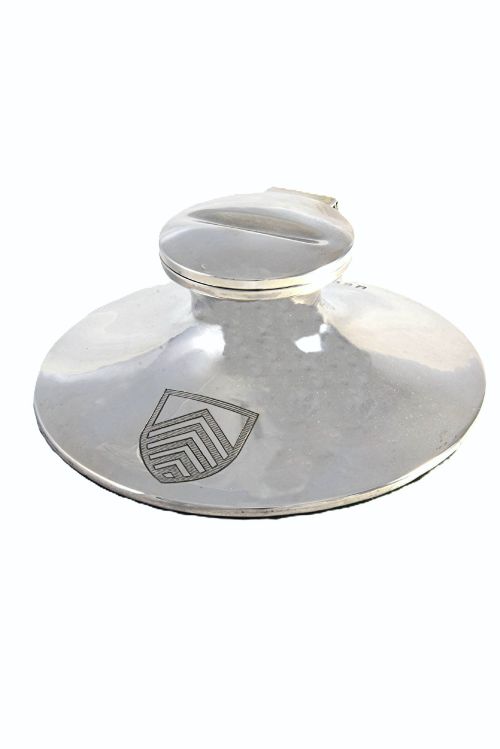
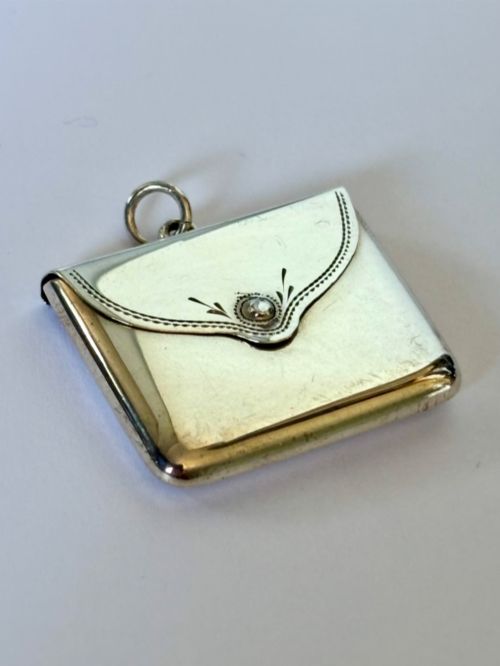
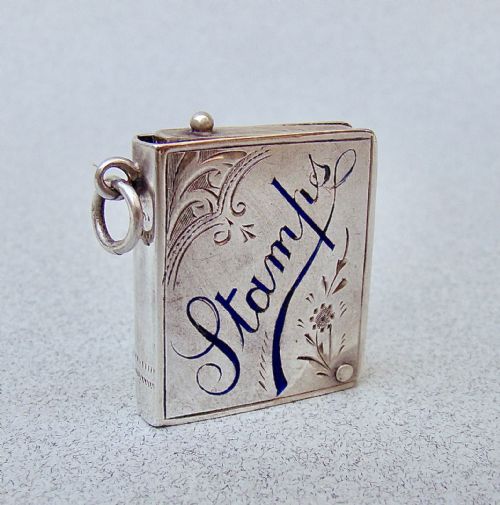
A george v desk accessory encompasses a diverse range of items designed for writing and correspondence during the early twentieth century. Buyers encounter sterling silver inkwells, stamp cases, bookmarks, and novelty desk ornaments reflecting the period's output alongside earlier Georgian pieces.
Makers utilised traditional forms such as capstan inkwells and envelope stamp cases, often incorporating unexpected novelties like bell shapes or sword designs. This variety allows collectors to curate a workspace with items that served specific clerical functions in period offices and studies.
Materials and Technique
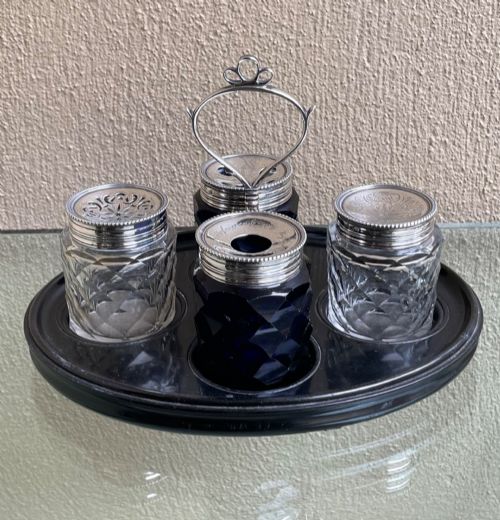
Sterling silver dominates the construction of these items, frequently paired with cut glass, mother of pearl, ebony, and leather to create textural contrast. Silversmiths employed techniques such as casting, engraving, and gilding to shape metal components into intricate inkstands, candlesticks, and desk sets.
Specialised items integrate enamel work, wood, and hardstones like onyx and lapis lazuli, showcasing the varied material palette of period workshops. Sheffield plating also appears alongside solid silver, demonstrating the range of metalworking traditions applied to desk equipment.
Makers constructed functional pieces with precision hinged lids, glass liners, and fitted compartments designed to hold ink, stamps, and writing implements securely. The combination of durable metals and delicate embellishments ensured these accessories survived decades of daily use on writing desks.
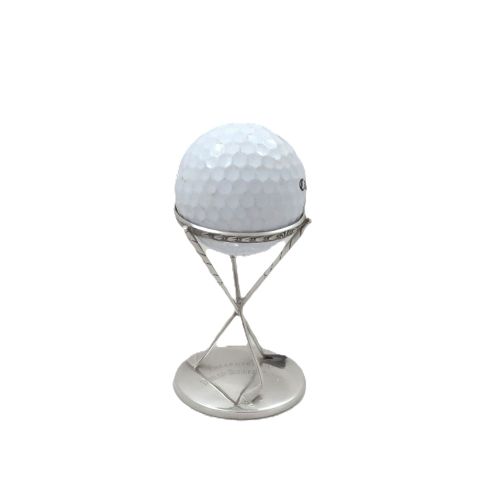
Desk accessories include a silver Sopwith biplane and a golf ball holder, proving Edwardians brought their hobbies indoors.
Craftsmanship and Distinction
Quality in a george v desk accessory depends upon the crispness of the chasing, the weight of the metal, and the precision of mechanical elements such as hinged lids. Superior examples display clear hallmarks, balanced proportions, and undamaged glass or enamel components.
Novelty and presentation pieces derive distinction from inventive design and fine detail, such as the feather engraving on a bird or the rigging on a miniature aircraft. Maker attribution and the inclusion of complete matching sets elevate the desirability of individual items within the category.
CRISFORD & NORRIS·ALBERT ERNEST JENKINS·James Goodwin·Marson & Jones·Robert Hennell·Daniel Holy·George Betjemann
The George V Desk Accessory Glossary
- Pounce pot
- A small shaker container used to sprinkle resin or gum sandarac powder over handmade paper to prepare the surface for ink writing. This prevents ink from bleeding across porous paper fibres.
- Inkstand
- A comprehensive desk tray holding one or more inkwells alongside compartments for pens, wafers, and sand containers. These stationary pieces anchored the Victorian and Edwardian writing desk.
- Capstan inkwell
- An ink reservoir shaped like a nautical capstan, featuring a wide weighted base that prevents tipping and a hinged lid. This form remains one of the most recognisable silhouettes in silver deskware.
- Bougie box
- A cylindrical container designed to hold a coiled taper or wax candle used for melting sealing wax. These portable boxes belong to earlier Georgian writing traditions.
- Table vesta
- A decorative matchsafe kept on a desk or table to provide a ready flame for lighting pipes or candles. They often feature striker surfaces incorporated into the base or side.
George V Desk Accessory: Frequently Asked Questions
What is a pounce pot used for?
A pounce pot held fine powder that writers sprinkled onto rough paper before committing ink to the page. This smoothed the surface texture and prevented the ink from feathering.
Collectors find these small shaker vessels in various metal and ceramic forms dating from the Georgian era onwards.
How do I identify a George V inkwell?
George V pieces often bear hallmarks dating between 1910 and 1936, reflecting the reign of the monarch. Look for registration marks and maker stamps alongside standard sterling silver assay offices.
Styles from this era range from traditional capstan shapes to novelty designs like bells, golf balls, and miniature aeroplanes.
Were desk accessories made from materials other than silver?
Makers frequently combined sterling silver with cut glass, wood, leather, velvet, and mother of pearl. Hardstones like onyx and lapis lazuli also appear in high-end presentation pieces.
Sheffield plate and silver gilt provide alternative metallic finishes across different items in this category.