






George III Table Silver
George iii table silver brings together sturdy sterling silver and old sheffield plate shaped for dining, serving, and display.
George III Table Silver
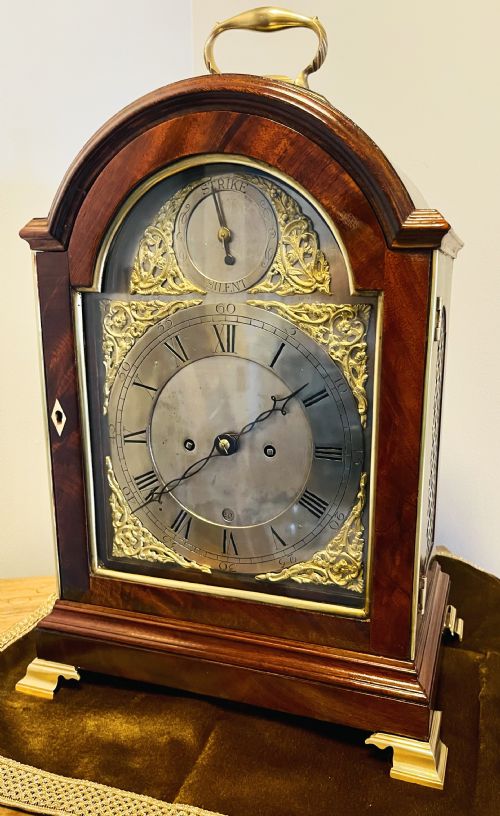
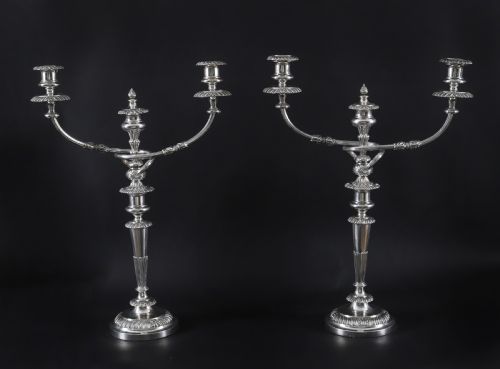
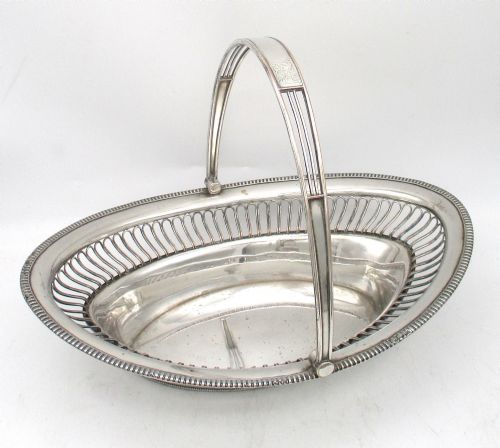
When buyers search for george iii table silver, they encounter functional items designed for the dining table and sideboard during the Georgian era. The evidence shows these utilitarian and decorative domestic objects span sauce boats, candelabra, tea caddies, baskets, and cruet stands alongside occasional furniture such as mahogany silver tables. Pieces span the eighteenth century and the early nineteenth century, created in sterling silver, old sheffield plate, and silver plate.
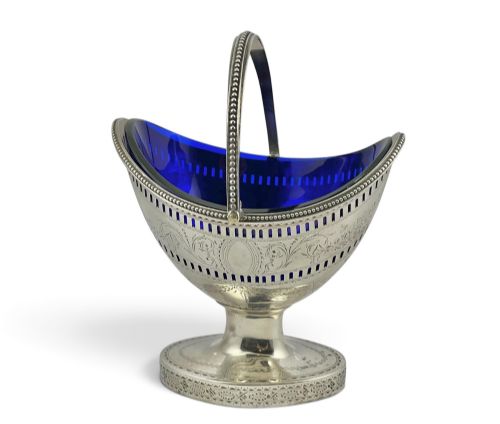
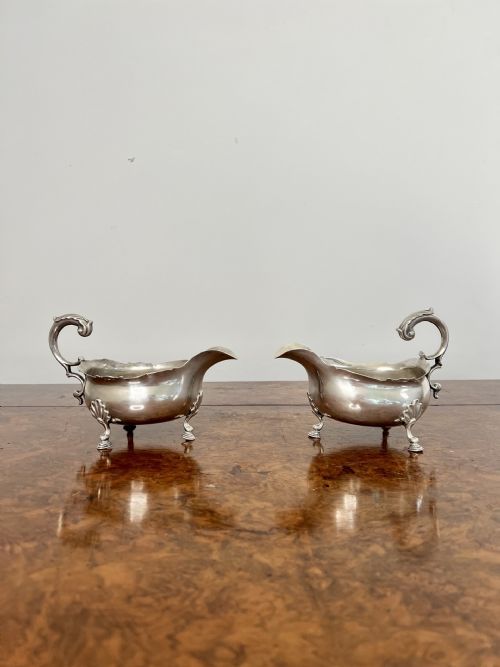
The version a buyer meets most frequently on this page is the silver hollowware or flatware piece, such as sauce boats, salt cellars, or mustard pots, alongside candelabra and silver-mounted cruet stands. These items reflect the domestic habits of the period, executed in sterling silver or old sheffield plate with styles ranging from plain Georgian to George III Rococo.
Materials and methods
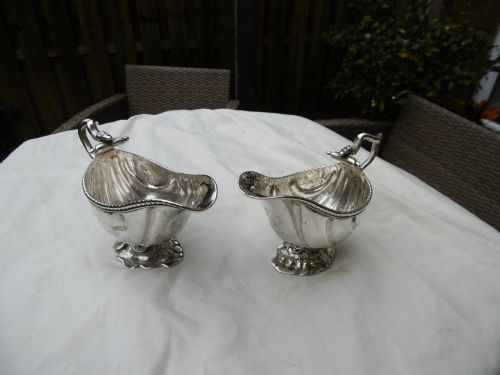
Makers shaped these items primarily from sterling silver, old sheffield plate, and silver plate, frequently pairing metal with mahogany in furniture or glass in bottles and coasters. Metalworking techniques included casting, as seen in sauce boats with snake handles, and wirework in baskets.
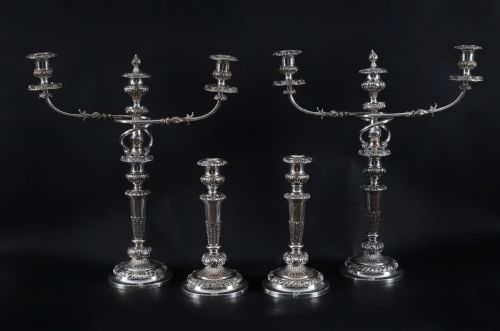
Craftsmen utilised traditional silversmithing methods, applying hallmarks to sterling silver pieces to record the town, maker, and year of production. Silverware often featured engraved crests and patterns such as Old English, while candelabra and suites incorporated multi-light configurations.
George III Table Silver Retail Price Guide 2026
Typical asking prices for george iii table silver among the pieces listed under this phrase on Sellingantiques today, from the lower quarter to the upper quarter. They describe what is for sale here now, not the wider market.
Separating top examples from ordinary pieces
Quality rests upon the crispness of the casting and the proportion of the form, separating utilitarian wares from items made by prominent silversmiths. Pieces featuring detailed chased work, crisp crests, and heavy gauge metal sit at the upper end of the range.
The integrity of the construction and the legibility of the hallmarks influence standing. Items retaining original components, matching pairs, and well-preserved plating or silver surfaces demonstrate superior execution.
Thomas Hemming·Paul Storr·Matthew Boulton·Wilkes Booth·Bateman·Hester Bateman·John Walton·William Bennett·Perigal·James Maitland
The George III Table Silver Glossary
- Sterling silver
- A silver alloy containing 92.5 percent pure silver by mass and 7.5 percent other metals, usually copper. This standard alloy provides the durable material used for hollowware and flatware.
- Old Sheffield plate
- A composite material made by fusing a thin sheet of silver to a thicker copper base. It represents an early plating technique used before electroplating.
- Sauce boat
- An open vessel with a lip and handle designed for serving sauces or gravies at the table. These vessels frequently rest on three feet or a cast base.
- Candelabra
- A branched candlestick holding multiple candles for illumination. These lighting pieces appear in pairs and suites from the eighteenth century.
George III Table Silver: Frequently Asked Questions
What is george iii table silver?
George iii table silver comprises dining and serving wares produced during the reign of George III. The category includes hollowware, flatware, lighting, and serving accessories.
These domestic items were utilised for dining and hospitality. Materials include sterling silver, old sheffield plate, and silver plate.
How do I identify old sheffield plate?
Old sheffield plate is produced by fusing silver to a copper base. Close inspection often reveals hints of copper showing through where the silver layer has worn.
Unlike later electroplated wares, these items were handmade from fused metal sheets. They date predominantly to the eighteenth and early nineteenth centuries.
How were sauce boats used?
Sauce boats held gravies and liquid condiments during meals. Diners or servers poured the contents using the incorporated spout and handle.
These vessels usually rest on cast feet or a fixed tray base. They often feature decorative handles and crests.
How do I care for silver items?
Silver requires gentle cleaning to preserve the metal and any engraved crests. Regular dusting and minimal polishing prevent the buildup of tarnish.
Storage in dry conditions protects against accelerated oxidation. Avoiding harsh abrasives maintains the original surface finish.