




George III Silver Plate
George iii silver plate brings together bright metal dining pieces and serving wares from the Georgian era.
George III Silver Plate
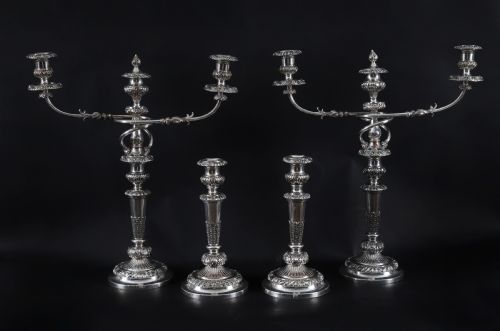
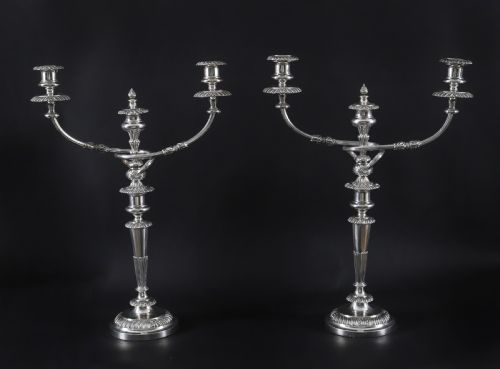
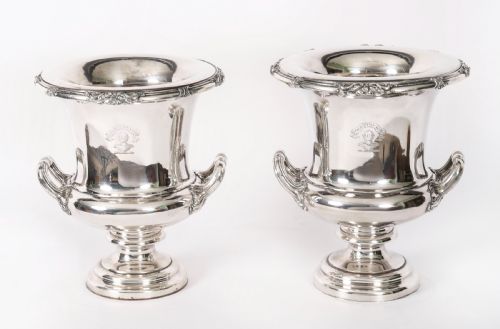
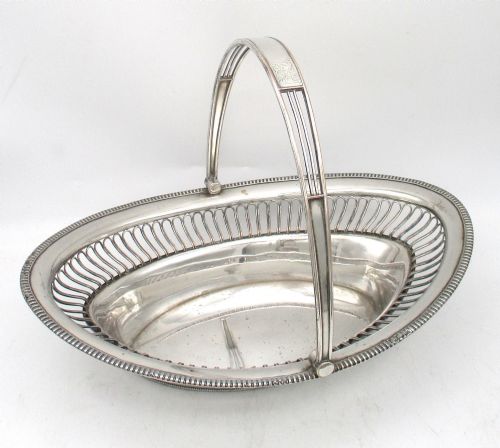
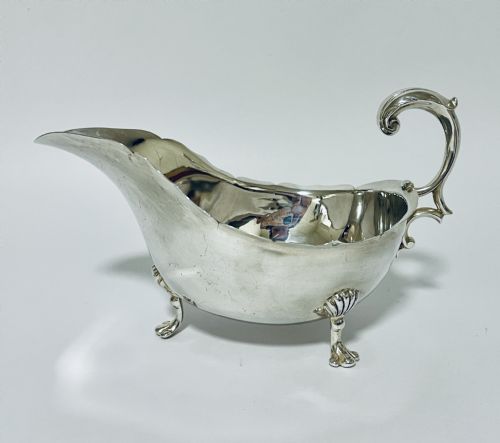
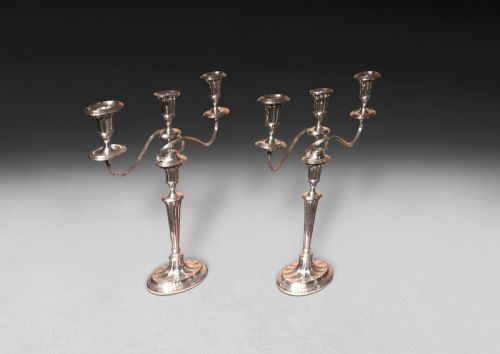
When you search for george iii silver plate, you encounter functional dining and desk accessories produced during the Georgian period. These items include candelabra, wine coolers, coasters, baskets, and desk sets intended for formal entertaining.
The version you are most likely to meet on this page is Old Sheffield plate or silver plate, spanning the eighteenth century and the early nineteenth century. Makers applied thin layers of silver over copper bases, producing durable domestic metalwork.
How they were made
Makers fused sheets of silver to copper ingots through heat and pressure before rolling them into workable plates. This Old Sheffield method created resilient metal sheets used to form hollowware and candlesticks.
Workshops shaped the plated metal by hand, raising forms and soldering components together. Artisans then applied cast silver mounts and borders to conceal exposed copper edges.
Listings feature items produced across the eighteenth and nineteenth centuries in Sheffield and Birmingham.
What varies in quality
The separation between standard and superior pieces rests on the thickness of the original silver fusion and the crispness of the chased decoration. Well-preserved surfaces retain deep silver layers without extensive base metal showing through.
Makers such as Matthew Boulton or Daniel Holy produced items with heavier gauge copper and finer cast mounts. Superior execution shows in balanced proportions and cleanly soldered joins.
Matthew Boulton·Daniel Holy of Sheffield·Paul Storr·Elkington & Co
The George III Silver Plate Glossary
- Old Sheffield Plate
- A composite material made by fusing a thin sheet of silver to a thicker copper bar. This technique preceded modern electroplating.
- Wine Cooler
- A large vessel designed to chill bottles at the dining table. These pieces often feature sturdy handles and heavy rims.
- Candelabra
- A branched lighting fixture holding multiple candles. Georgian examples frequently stand on weighted bases.
- Salver
- A flat serving tray raised on feet. These items display engraved centre fields and decorative borders.
George III Silver Plate: Frequently Asked Questions
What is Old Sheffield plate?
Old Sheffield plate is an early form of silver plating created by fusing silver and copper together through heat. Craftsmen rolled these bonded metals into sheets to make durable hollowware.
This method differs from later nineteenth-century electroplating by showing a sandwich of copper along cut edges. Pieces made this way carry a distinct weight and warmth.
How do I clean silver plate?
Clean these items using mild soapy water and a soft cloth to protect the thin silver layer. Avoid harsh dips and aggressive polishing that removes the remaining silver.
Regular gentle care maintains the dark patina in recessed areas. Store pieces in dry conditions to prevent tarnishing.
Are these pieces solid silver?
Most items listed under this search consist of plated metal rather than solid sterling silver. Makers fused silver sheets over copper bases to offer luxury dining items at lower costs.
Some pieces incorporate sterling silver mounts or borders applied over the plated body. Hallmarks appear less frequently on plated items than on solid silver.
How do I date these items?
Dating relies on stylistic clues, manufacturing techniques, and occasional maker marks stamped into the metal. Items made before the invention of electroplating often display fused copper edges.
Georgian styles emphasise classical proportions, gadroon borders, and hand-chased details. Comparing construction methods helps narrow the decade of production.