

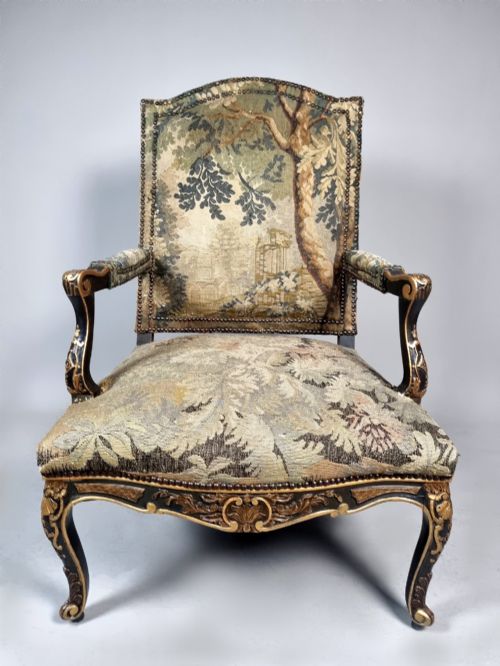


George III Library Seating
George iii library seating comprises substantial armchairs designed for reading rooms, offering sturdy mahogany frames and comfortable upholstered seats.
George III Library Seating
The selections span authentic eighteenth-century examples dated to the seventeen sixties, seventies, and eighties, alongside later nineteenth-century revivals styled in the manner of George iii. These pieces typically present upholstered seats finished in leather, fabric, velvet, damask, or metal studs.
Armchairs dominate the available forms, ranging from standard proportions to large wing-backed seating and low-slung drunkards chairs. The origin stretches from the Georgian period through to late nineteenth-century interpretations.
How they were made
The foundational structures rely heavily on solid mahogany, with occasional pieces utilising yew wood or oak to achieve the desired frame strength. Joinery methods support the robust armchairs intended for prolonged use in domestic libraries.
Upholstery techniques incorporate traditional materials such as leather, fabric, velvet, and damask, secured frequently with metal studs along the borders. Brass details appear additionally to accent the construction.
Craftsmen shaped these timbers into distinct profiles including the Gainsborough arm chair and wing-backed armchair, balancing structural integrity with refined aesthetic proportions.
George III Library Seating Retail Price Guide 2026
Typical asking prices for george iii library seating among the pieces listed under this phrase on Sellingantiques today, from the lower quarter to the upper quarter. They describe what is for sale here now, not the wider market.
The inventory spans the Georgian period, the eighteenth century, and nineteenth-century George iii revival styles.
What varies in quality
The choice of timber underpins the distinction between standard examples and superior pieces, with dense mahogany and solid yew wood representing higher construction standards compared to simpler oak frames. The precision of the timber shaping dictates the overall refinement of the armchair.
Upholstery materials also introduce variance across the range, where fine leather, velvet, or damask contrast with basic fabric coverings. The execution of metal studwork and the integration of brass elements further differentiate the standard of finish.
The George III Library Seating Glossary
- Gainsborough armchair
- A wide, open-framed seat with padded armrests designed during the eighteenth century for reading and writing desks.
- Wing chair
- An upholstered armchair featuring side panels attached to the back to deflect draughts and retain heat.
- Solid yew wood
- A dense timber native to Britain utilised by cabinet makers for distinctive grain patterns and robust furniture construction.
- Damask
- A reversible figured fabric traditionally woven with patterns visible on both sides for formal upholstery.
- Metal studs
- Small decorative tinned or brass nails applied in rows to secure upholstery edges firmly to the wooden frame.
George III Library Seating: Frequently Asked Questions
What is a Gainsborough chair?
A Gainsborough chair is a wide, open-sided armchair featuring upholstered armrests designed specifically for sitting at a desk or in a library during the eighteenth century.
These seats offer comfortable padding combined with structural timber frames, allowing readers to sit upright for extended periods.
How do I identify a wing chair?
A wing chair is distinguished by prominent side panels, known as wings, attached to the backrest of the upholstered armchair.
This traditional design originally served to protect sitters from draughts in large rooms while containing warmth from an open fire.
What woods were used?
Cabinet makers predominantly utilised mahogany for framing library seating during the Georgian period, alongside durable alternatives like solid yew wood and oak.
These hardwoods provided the necessary structural strength to support substantial upholstered bodies and regular daily use.
Are later revival pieces authentic?
Nineteenth-century revival pieces are authentic antiques made during the eighteen hundreds in the distinct stylistic tradition of the earlier Georgian era.
They reflect the enduring popularity of George iii designs long after the original monarch's reign had concluded.