




George III Gallery Table
A george iii gallery table offers practical surface space framed by a raised edge, prized for its timber and proportion.
George III Gallery Table
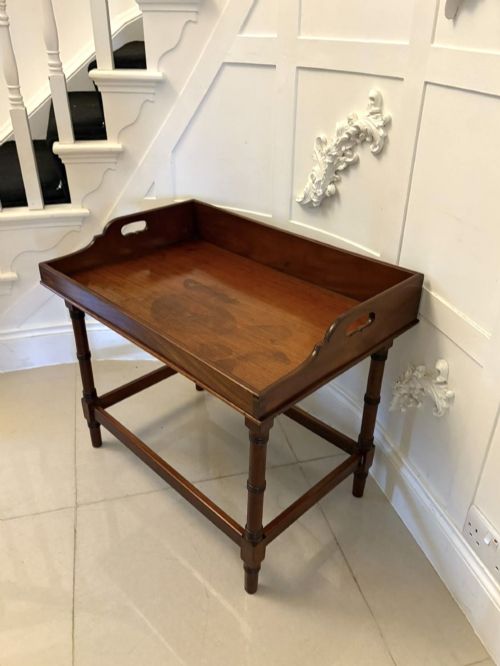
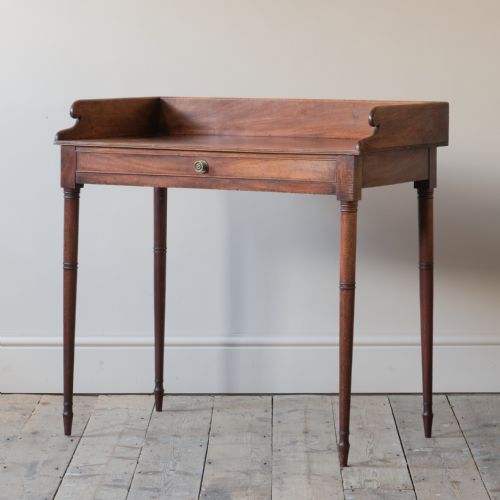
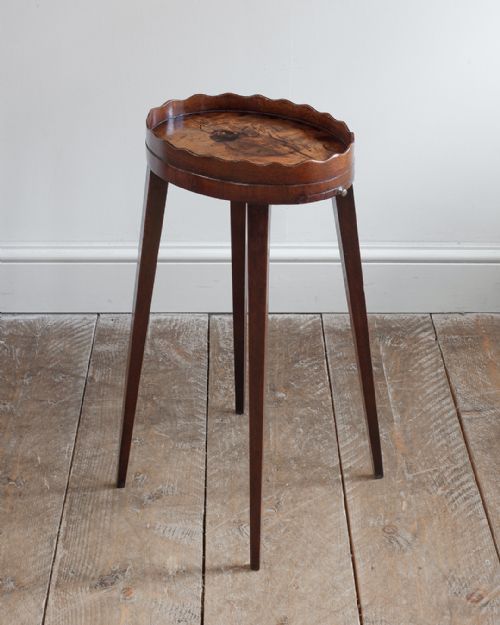
A george iii gallery table encompasses various forms designed with an elevated rail or tray surround to keep items secure. The pieces on this page span side tables, occasional tables, dressing tables, washstands, and tripod tables.
Most examples originate from the Georgian and eighteenth century periods, though later revivals and twentieth century interpretations also appear. They serve practical functions as lamp tables, kettle stands, and bedside cabinets within domestic spaces.
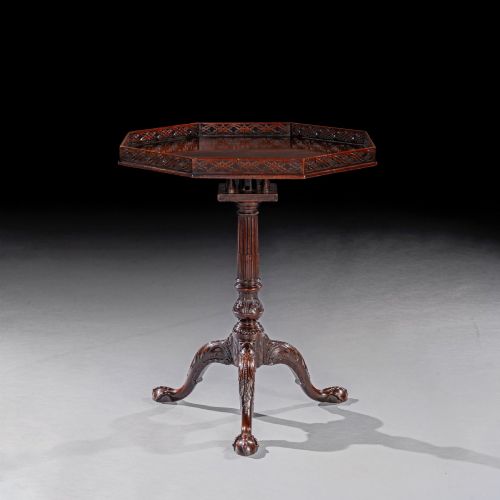
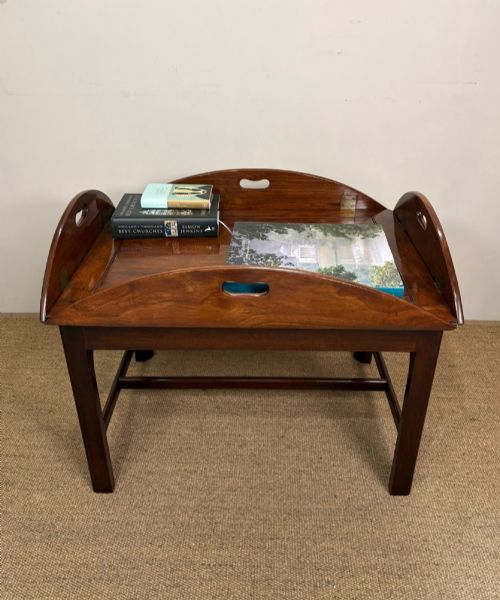
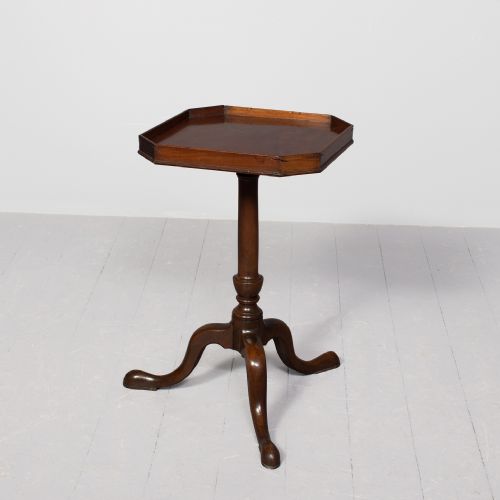
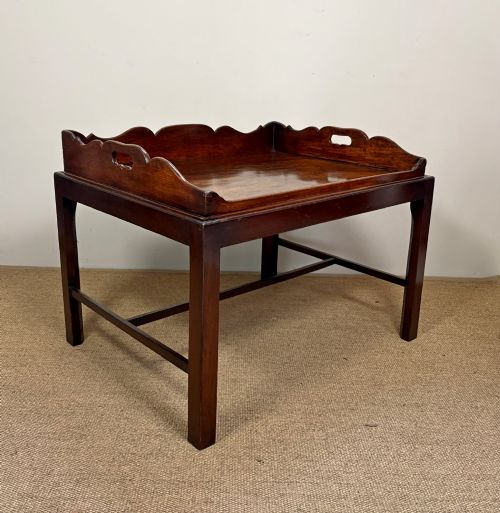
Makers and craftsmen of the period utilised timber frames with distinct tabletop formats, ranging from octagonal and square top tripod tables to serpentine gallery tops and butler trays.
Materials and construction
Mahogany forms the primary structural material across the selection, complemented by satinwood and boxwood inlay work. Brass hardware and leather inserts add functional detail to specific desk and table variants.
Joinery methods rely on solid timber construction, turning for tripod legs, and precise edge work to form the raised galleries. Inlaid stringing and contrasting woods provide decorative borders on surfaces and drawers.
George III Gallery Table Retail Price Guide 2026
Typical asking prices for george iii gallery table among the pieces listed under this phrase on Sellingantiques today, from the lower quarter to the upper quarter. They describe what is for sale here now, not the wider market.
Tripod bases and tray tops dominate the structural forms across the available inventory.
Judging the standard
The degree of refinement in timber selection and figuring separates standard examples from finer pieces. Crispness in the carving of tripod legs and the precision of gallery rails indicate the skill of the original workshop.
The George III Gallery Table Glossary
- Gallery
- A raised wooden or metal rim around the edge of a tabletop. This feature prevents small items or porcelain from sliding off.
- Tripod table
- A small freestanding table supported by a central pillar on three legs. These pieces allow for flexible placement in period rooms.
- Snap top table
- A table with a hinged top that tilts into a vertical position when not in use. This mechanism saved floor space in historic interiors.
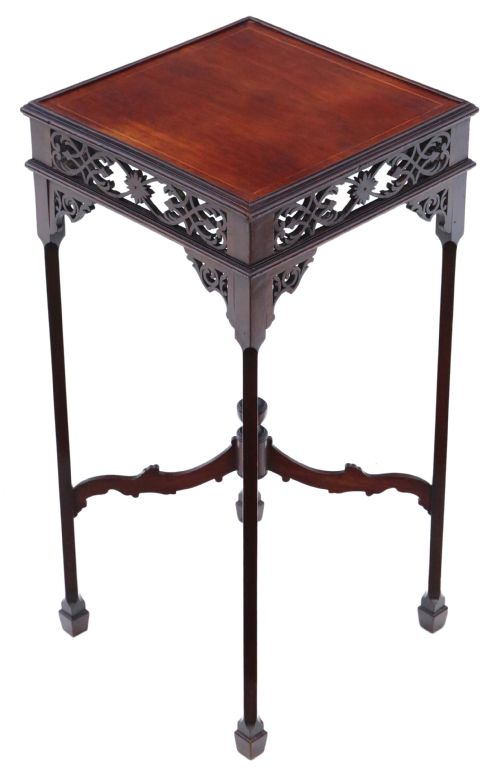
- Kettle stand
- A small tall table designed to hold a hot water kettle for tea service. They often feature raised galleries and slender legs.
- Butler tray
- A portable wooden tray with hinged or fixed sides, frequently placed on a folding stand. They function as removable serving surfaces.
George III Gallery Table: Frequently Asked Questions
How were these tables used?
Historic households utilised these tables for serving tea, holding lamps, or supporting washing equipment.
Their portable nature allowed owners to move them easily between rooms as daily requirements changed.
Are all these tables from the eighteenth century?
While many date from the eighteenth century and Georgian period, the listings also include later nineteenth century and twentieth century revivals.
Craftsmen continued to replicate these popular forms well after the initial period ended.
What timbers should I expect?
Mahogany serves as the predominant wood across the selection, often paired with satinwood and boxwood for decorative inlay.
Brass hardware and occasional leather work also appear on specific desk and table formats.