


George III Copper
George iii copper pieces span practical kitchenware and hearth equipment from the Georgian era, offering durable metalwork for domestic use.
George III Copper
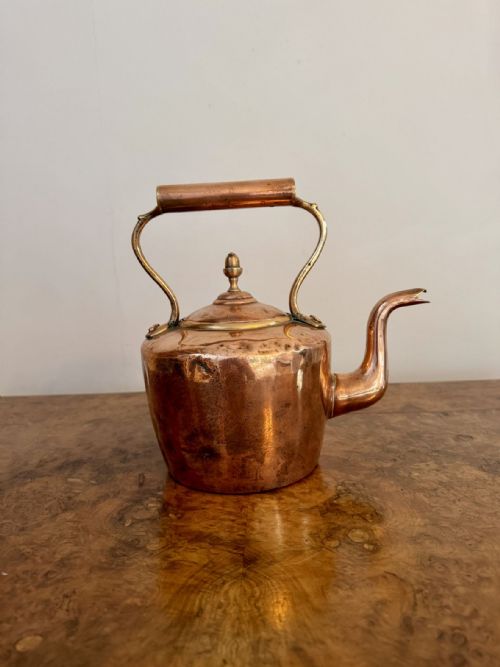
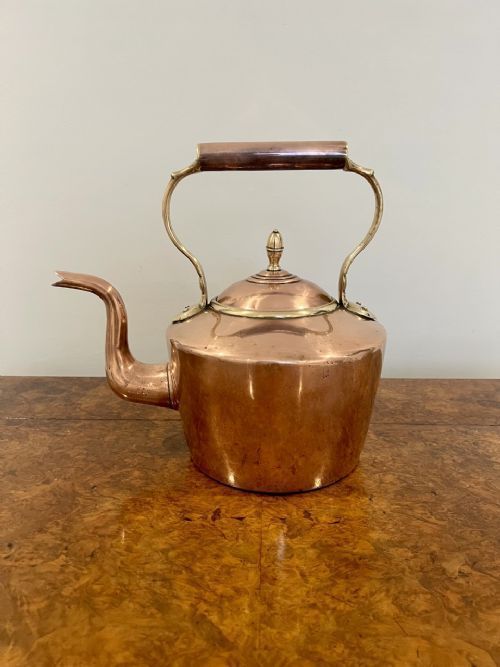
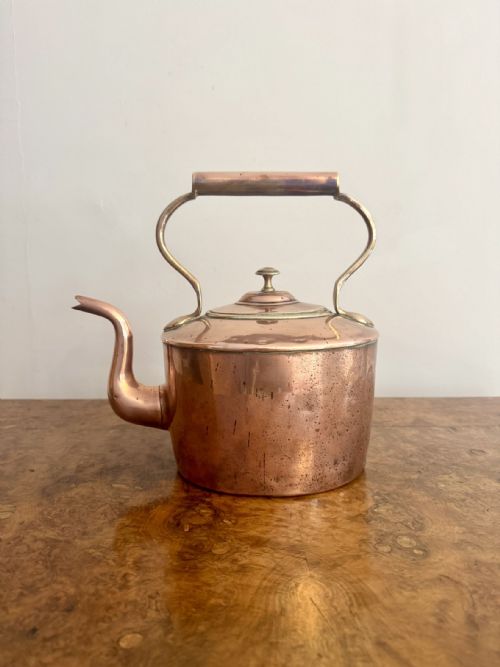
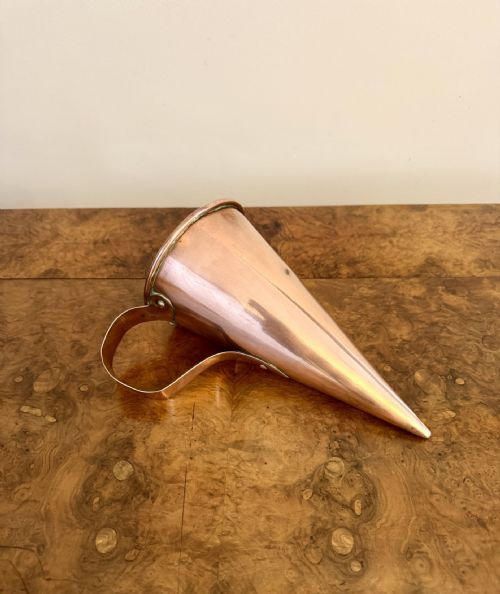
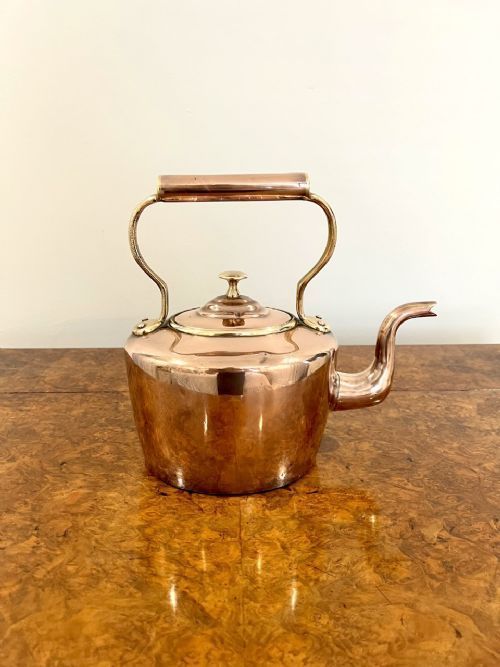
When buyers search for george iii copper, they encounter domestic utility items dating around eighteen hundred and the nineteenth century. The inventory on this page consists predominantly of kettles, cooking pots, pans, and coal scuttles from the Georgian period.
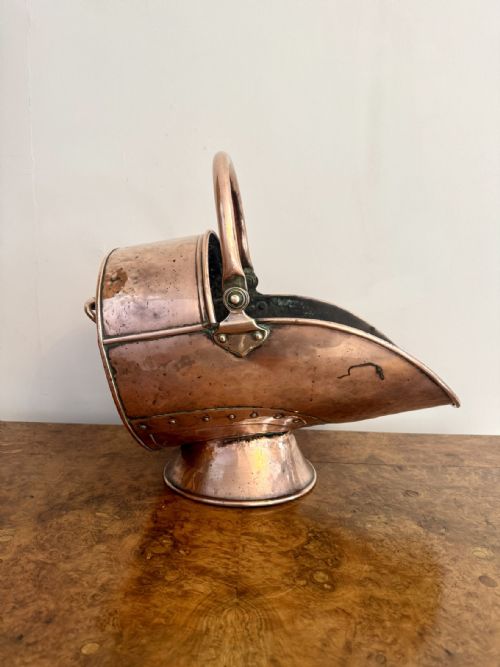
Kettles and cookware dominate the current selection, alongside coal scuttles, water urns, and warming pans. These forms reflect the heavy kitchen and hearth use of the era, constructed primarily in copper with brass or iron fittings.
How they were made
Maker construction relies heavily on hammered copper sheets shaped into vessels, pots, and kettles, often joined with riveted seams. Brass and iron serve as secondary materials for handles, rims, and fixings on pans and coal scuttles.
Certain items incorporate enamel or gilt copper details, whilst warming pans and kettles utilise metal combinations typical of Georgian metalworking techniques. Polished finishes highlight the underlying copper texture across the surviving objects.
A warming pan kept beds toasty before central heating, proving that even eighteenth-century Britons hated cold sheets.
What varies in quality
Quality differences stem from the weight of the copper sheet utilised and the intricacy of the vessel shape, such as oval configurations or helmet coal scuttles. Pieces featuring heavy gauge metal and original brass fittings stand apart from simpler cookware.
The finish of the metalwork, the presence of original lids, and overall proportion distinguish standard utility items from ornate samovars, tea urns, and large water vessels.
Soho Mint
The George III Copper Glossary
- Copper
- A malleable reddish metal used to form the primary body of kettles, pans, and coal scuttles. It conducts heat efficiently for cooking and warming water.
- Coal scuttle
- A domestic container designed for holding and transporting fireplace coal. Helmet variants feature a distinctive flared spout shape.
- Samovar
- A large heated metal urn utilised for boiling water for tea. These pieces often display ornate decorative work.
- Warming pan
- A long-handled covered pan filled with hot embers to warm bed linen. The lid is typically hinged and engraved.
- Georgian
- The historical period spanning the reigns of the four British monarchs named George. Pieces from this era often exhibit classic proportions.
George III Copper: Frequently Asked Questions
What were copper kettles used for?
These kettles heated water over hearth fires for daily household tasks, tea preparation, and washing.
Their heavy copper construction allowed them to withstand direct contact with flames and hot coals.
How do I clean antique copper?
Gentle washing with warm soapy water preserves the historic metal surface and patina.
Avoid harsh modern abrasives that strip away the centuries of age from the copper.
Are these pieces safe for cooking?
Many surviving pots and pans are intended primarily for display or decorative collection rather than daily culinary use.
Historic linings may not meet modern standards for food preparation.
Where were these items kept?
Kitchens, sculleries, and hearth sides housed these vessels for ready access during meal preparation.
Coal scuttles and warming pans sat near fireplaces in living spaces and bedrooms.