
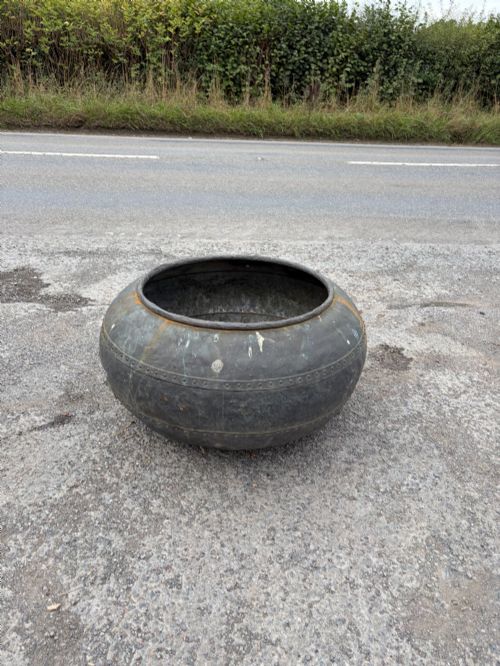
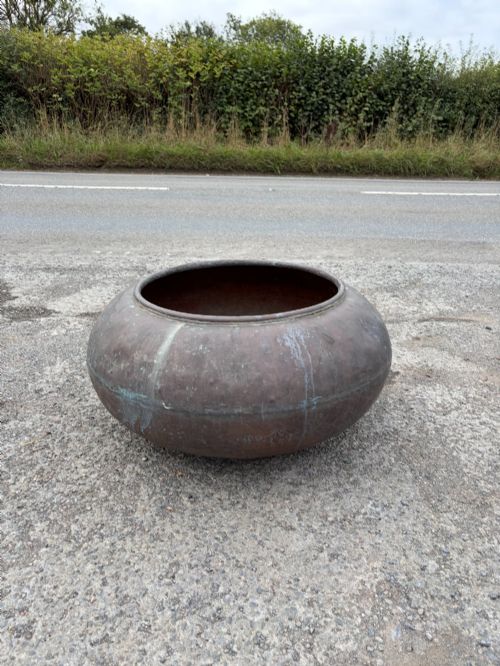
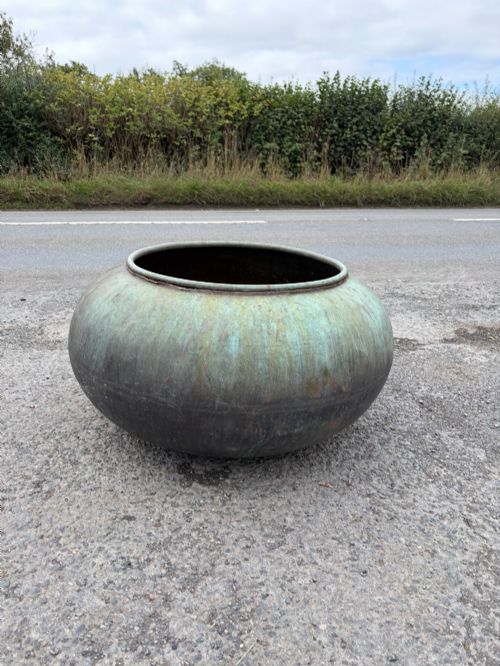
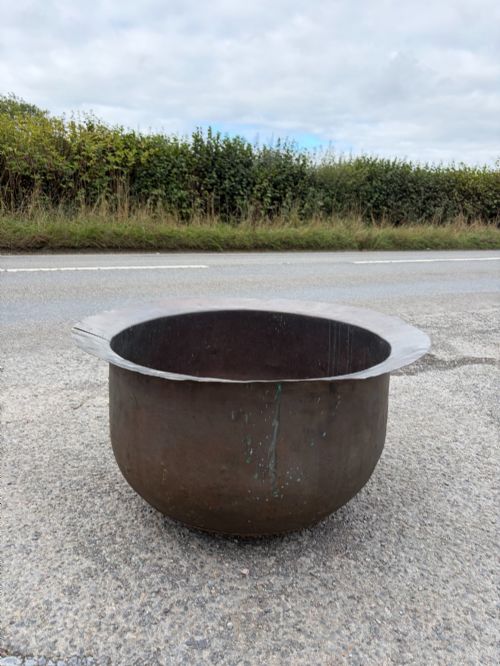
Antique Log Vessel
An antique log vessel brings heft and functional presence to a hearth, shaped from heavy metals and coopered timbers designed for hard service.
Antique Log Vessel
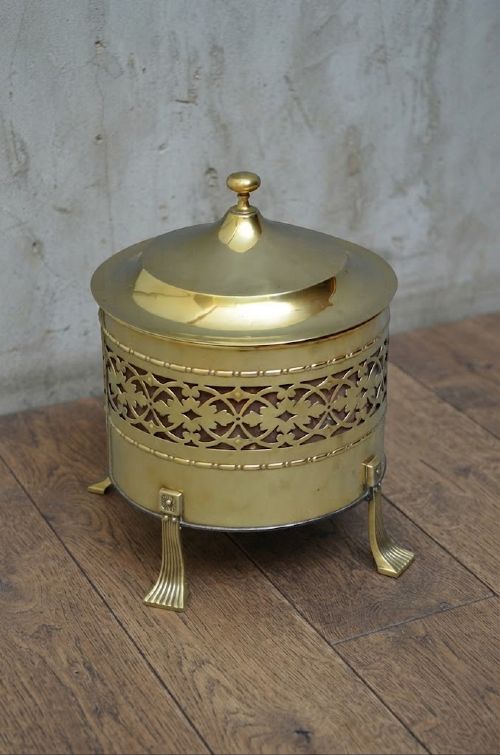
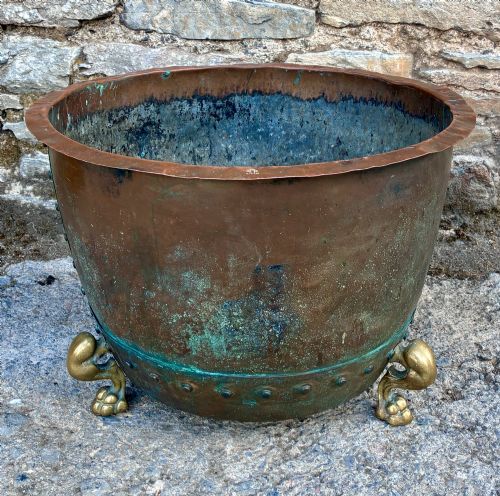
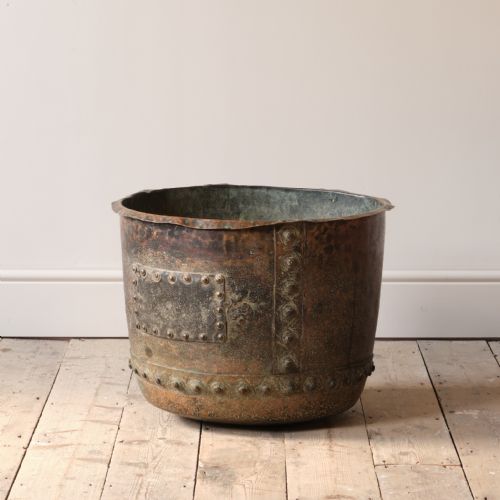
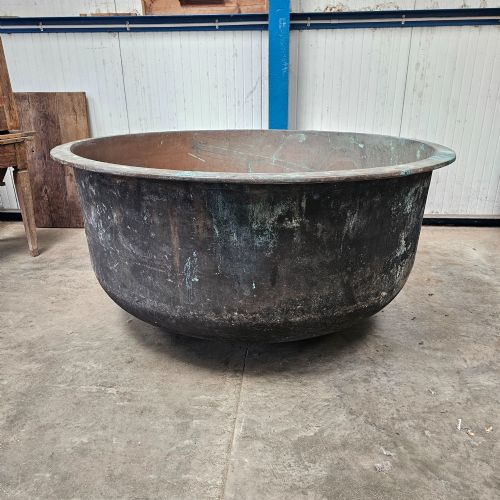
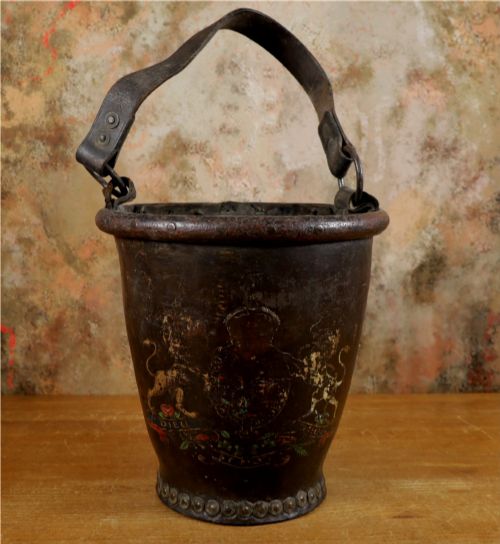
An antique log vessel is typically encountered here as a substantial metal container or coopered wooden bucket originally built for industrial, kitchen, or fireside duties. These pieces span the eighteenth, nineteenth, and early twentieth centuries, reflecting utilitarian origins from Georgian pans and French cheese vats to Edwardian coal bins and Victorian planters. Buyers searching this phrase look for robust receptacles that double as hearth storage or garden accents.
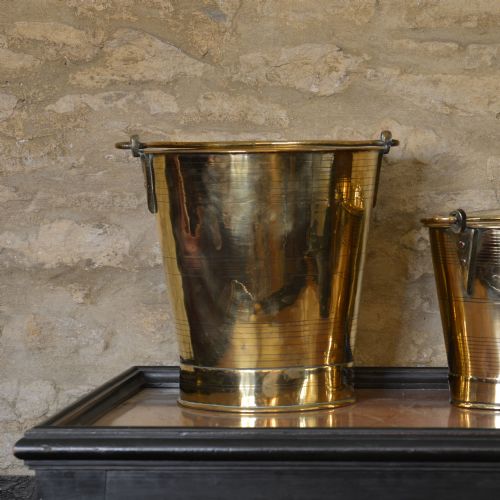
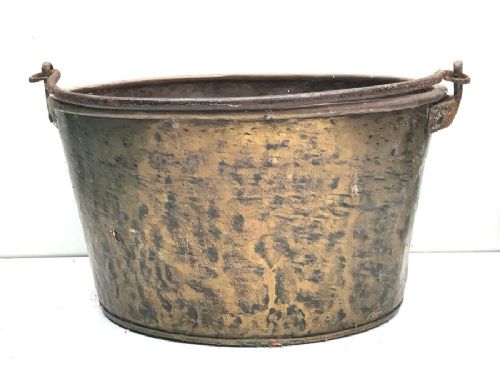
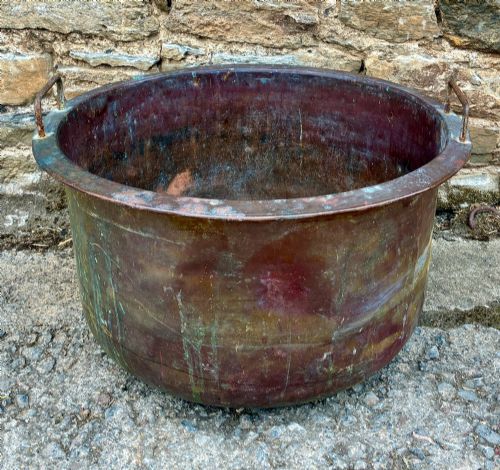
The assortment on this page leans heavily toward heavy-gauge copper pots, brass coal buckets, and riveted vessels alongside oak and pine coopered barrels. Many items originated as wash tubs, grain measures, or campaign buckets before finding a second life holding logs beside a fireplace. Their domestic and agricultural pasts dictate the generous proportions and hardy construction that define the category.
How they were made
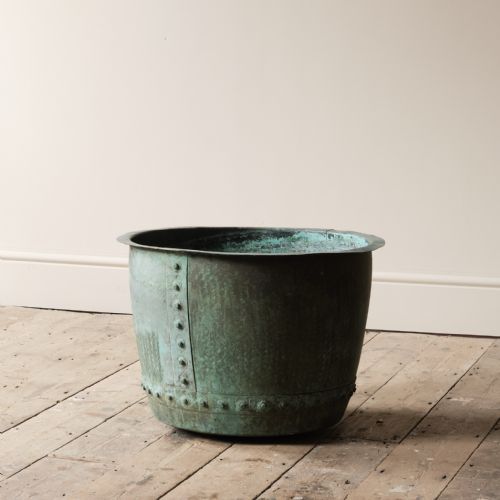
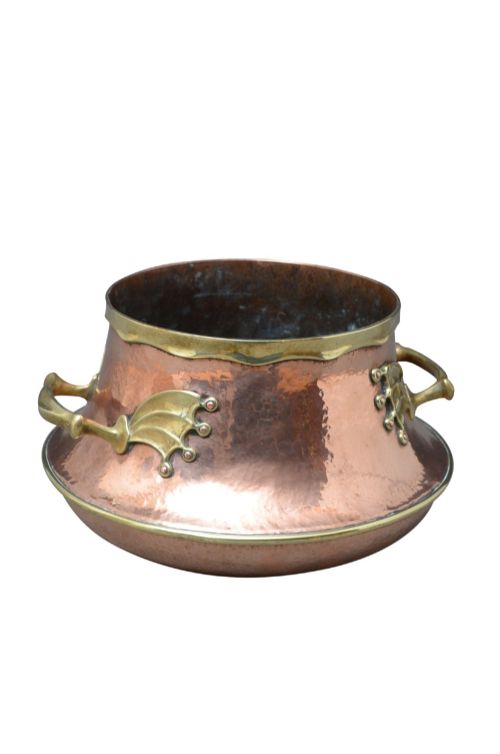
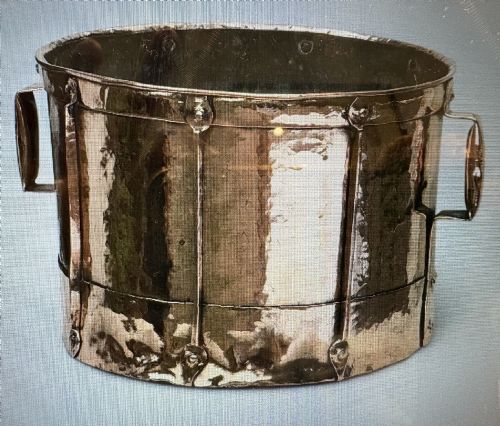
Metal vessels rely on hand-beating, rolling, and visible riveted seams joining heavy sheets of copper or brass, often finished with robust iron swing handles. Rivets secure overlapping metal plates, while hammered surfaces and applied brass bands demonstrate traditional smithing techniques intended to withstand moisture and heavy loads.
Wooden examples utilise traditional coopering methods, binding staves of oak, pine, or other timbers with iron or wooden hoops to create watertight or structurally sound storage barrels and peat buckets. The skill lies in the precise beveling of each stave so that the assembly holds under tension without modern adhesives.
Listings span the eighteenth to the early twentieth century, incorporating Victorian, Edwardian, and Georgian periods alongside rustic farmhouse styles.
What varies in quality
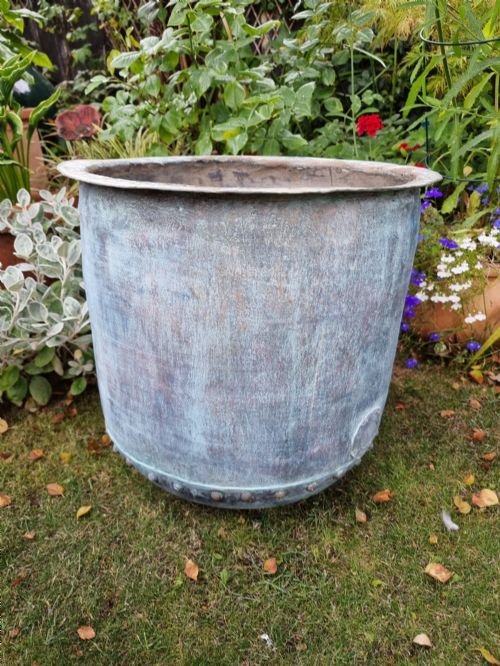
Quality rests in the integrity of the original construction, the thickness of the metal gauge, and the presence of untouched surface character such as natural patination and verdigris. Thicker plates and heavy hand-riveting indicate vessels built for demanding utilitarian tasks rather than lighter decorative items.
Intact original fittings, including wrought iron handles, brass swing bails, crests, and sturdy bases, separate standard utility pieces from finer examples. Altered components or heavy mechanical cleaning diminish the historical integrity that collectors value in these items.
The Antique Log Vessel Glossary
- Coopered
- Constructed from curved wooden staves joined tightly together and bound with metal or wooden hoops. This traditional technique formed barrels, tubs, and buckets for holding liquids or dry goods.
- Verdigris
- The green patina formed naturally on copper, brass, or bronze through atmospheric weathering over long periods. It offers visual evidence of age and exposure.
- Jardinière
- A large ornamental pot or stand designed to hold growing plants or flowers. These vessels often match the scale and decorative brass work found on fireside log bins.
- Ferrat
- A traditional French term associated with agricultural or grain measures, denoting robust metal or bound wooden containers used for bulk dry goods.
Antique Log Vessel: Frequently Asked Questions
What were antique log vessels originally used for?
These vessels served diverse utilitarian roles in domestic and agricultural settings, functioning as wash tubs, grain measures, cheese vats, and coal buckets before later adoption as fireside log holders.
Their heavy construction allowed them to handle wet materials, hot coals, and dense agricultural yields without structural failure.
Can I use an antique copper pot for logs?
Copper and brass pots make durable containers for storing firewood beside an active fireplace, provided the base and handles remain structurally sound.
Their robust metal walls withstand the weight and friction of logs while introducing contrasting metallic warmth to a hearth.
How do I distinguish copper from brass vessels?
Copper displays a distinct reddish-pink metallic hue, whereas brass presents a brighter, yellowish-gold tone due to its zinc content.
Both metals were commonly utilised across the nineteenth century for utilitarian domestic vessels, sometimes appearing combined in a single piece.
What is the difference between a log bin and a planter?
Many items listed as log bins or coal buckets were originally manufactured as agricultural planters, wash tubs, or storage vessels.
Their shared scale, open tops, and durable metal or wood construction mean these terms often describe the current domestic function rather than the original factory purpose.