





George III Accent Chair
A george iii accent chair brings unmistakable period character to a room, offering enduring seating forms shaped by eighteenth-century craftsmanship.
George III Accent Chair
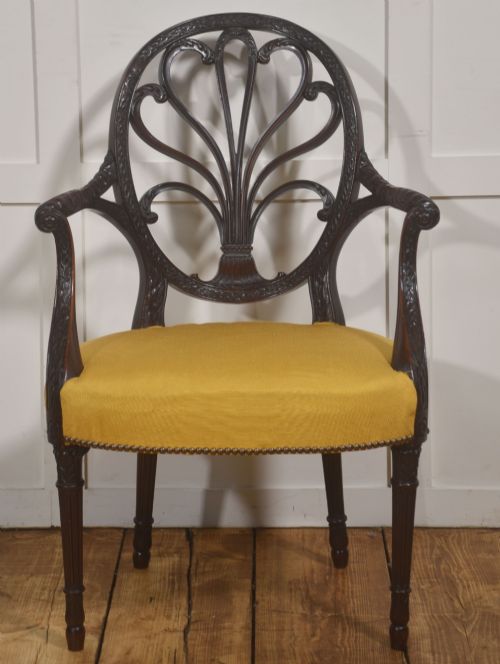
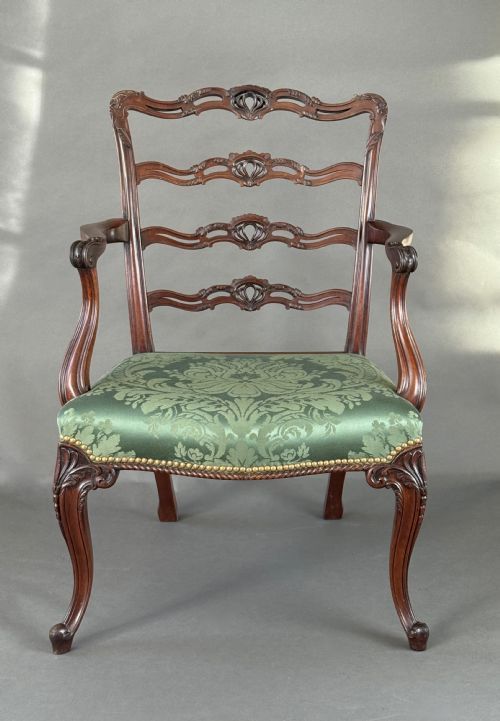
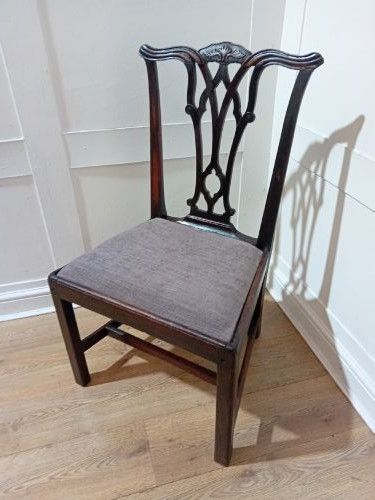
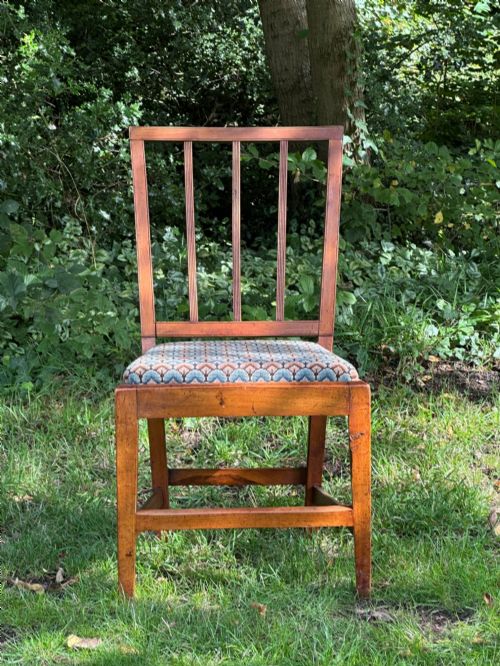
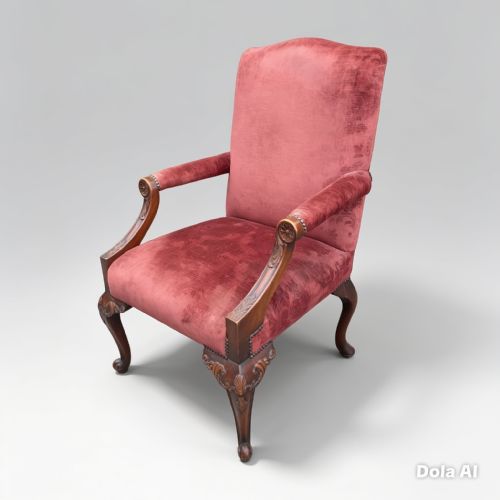
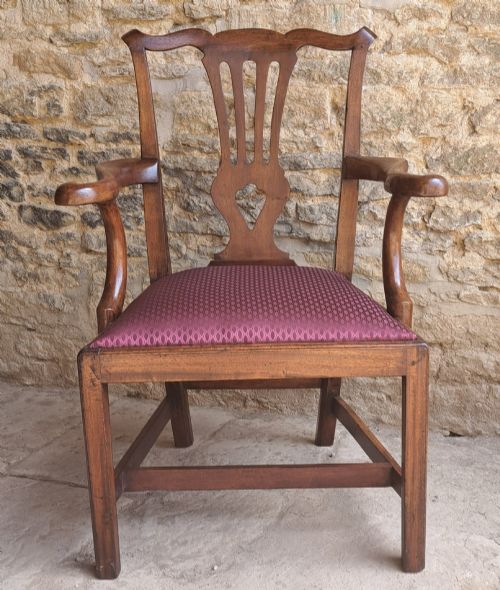
A george iii accent chair encompasses various seating forms from the eighteenth century and the georgian era, including library armchairs, hall chairs, side chairs, and dining chairs. These pieces reflect the prevailing design vocabulary of their time, spanning distinct regional variations from England, Scotland, and Ireland.
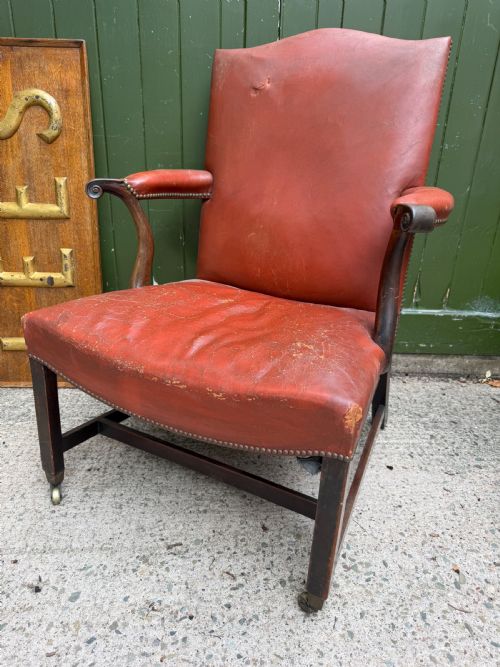
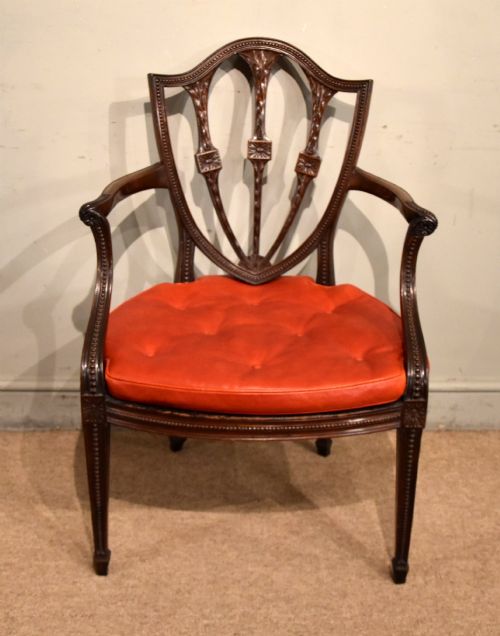
The selections available here range from large library armchairs upholstered in leather to carved side chairs and solid wood open armchairs. Pieces emerge from periods such as seventeen fifty, seventeen seventy to seventeen ninety, and around eighteen hundred, alongside nineteenth-century style interpretations.
Materials and Construction
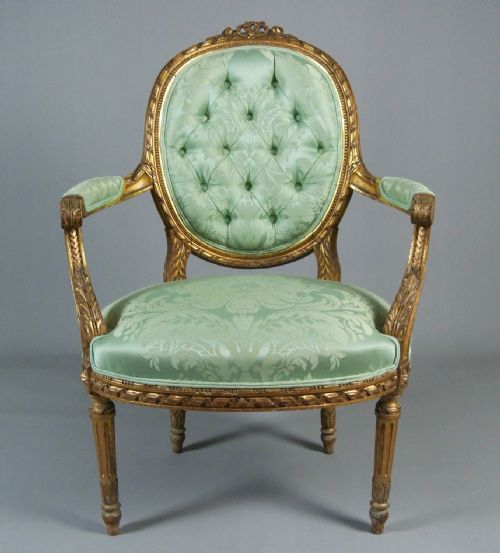
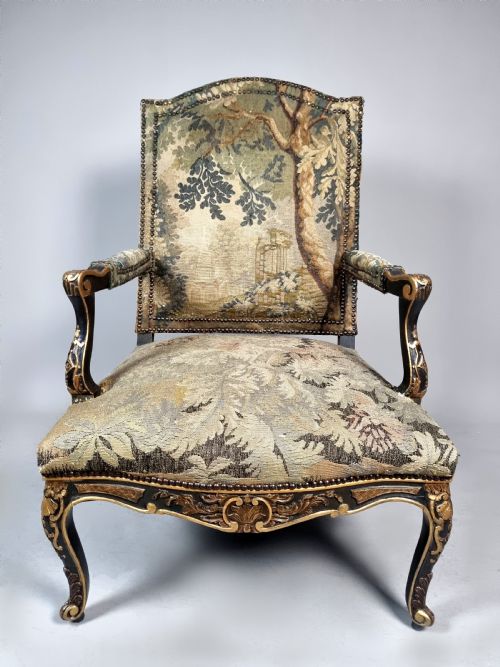
Cabinet makers constructed these chairs using timber such as mahogany, walnut, oak, birch, yew wood, elm, and giltwood. Workshops employed traditional joinery alongside carving, painting, and polychrome decoration to finish the wooden frames.
Upholstery forms an integral part of many pieces, utilising materials like leather, red damask, velvet, fabric, and needlepoint seat inserts. Structural details such as block feet and sculptural backs demonstrate the functional construction methods of the period.
George III Accent Chair Retail Price Guide 2026
Typical asking prices for george iii accent chair among the pieces listed under this phrase on Sellingantiques today, from the lower quarter to the upper quarter. They describe what is for sale here now, not the wider market.
Assessing Quality and Execution
The distinction between standard examples and finer pieces rests upon the crispness of the wood carving and the choice of primary timber. Finer chairs exhibit well-proportioned frames, such as solid mahogany or giltwood, paired with detailed sculptural elements.
Originality of surface finish and the preservation of period upholstery elements contribute significantly to an item's standing. Pieces demonstrating specific regional attribution or documented maker associations carry distinct design merit.
Thomas Chippendale·John Linnell
The George III Accent Chair Glossary
- Gainsborough chair
- A wide, upholstered armchair with open padded arms, designed in the mid-eighteenth century for reading or writing. These seats typically feature mahogany frames and leather or fabric coverings.
- Hall chair
- A wooden side chair designed for entrance halls, often featuring a solid, carved or painted back bearing family crests or decorative shields. They were primarily intended for visual impact rather than prolonged seating comfort.
- Neoclassical
- A style dominating the latter half of the eighteenth century, drawing inspiration from classical antiquity. It is characterised by symmetrical lines, restrained ornamentation, and classical motifs.
- Chippendale
- A style reflecting the design aesthetics popularised by Thomas Chippendale and his contemporaries. It often incorporates carved mahogany woodwork with intricate back splats and cabriole or straight legs.
- Polychrome
- Painted decoration utilising multiple colours on wood surfaces. This technique added vibrancy and decorative detail to eighteenth-century chair frames.
George III Accent Chair: Frequently Asked Questions
Where were these chairs placed originally?
These seating pieces served various functions across eighteenth-century interiors, from formal dining spaces to private libraries and grand entrance halls. Library armchairs provided comfort for reading, while hall chairs furnished transitional spaces.
Smaller side chairs accommodated parlours and drawing rooms, adapting to the social and domestic requirements of Georgian households.
How do I distinguish between periods?
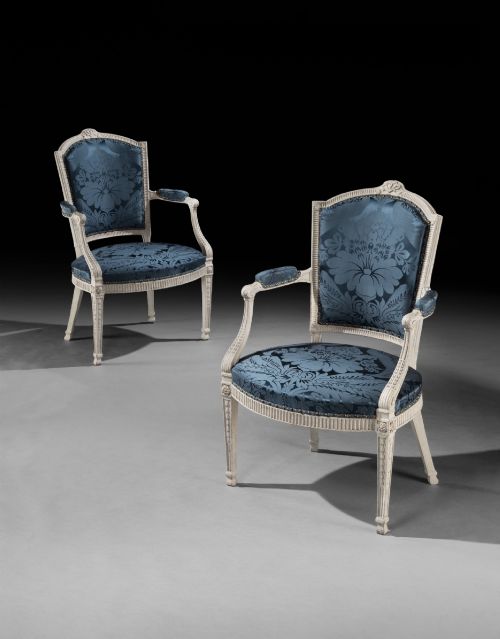
Differentiating periods relies on examining timber choices, construction techniques, and stylistic shifts visible in the frame design. Mid-eighteenth-century pieces often display robust mahogany carving, whereas later decades introduce neoclassical restraint or painted finishes.
Reference points include documented dates and regional characteristics from Edinburgh or Irish workshops that help anchor an item within its manufacturing era.
How do I live with antique seating?
Integrating period chairs into contemporary spaces requires balancing daily use with the preservation of historic materials. Placing pieces away from direct heat sources protects vulnerable timbers and historic upholstery from drying out.
Regular, gentle dusting maintains the polished wooden surfaces without disturbing original patination or fragile painted decorations.