




George II Wooden Chest
A george ii wooden chest brings substantial eighteenth-century proportion and rich timber figure directly into a room.
George II Wooden Chest
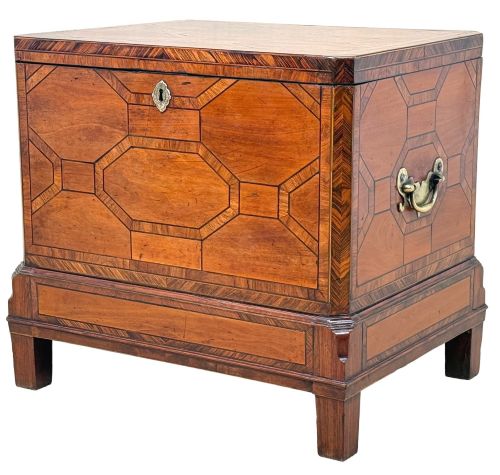
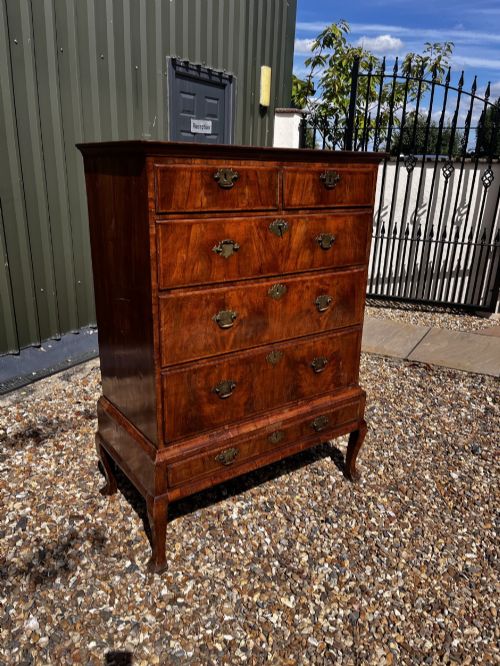
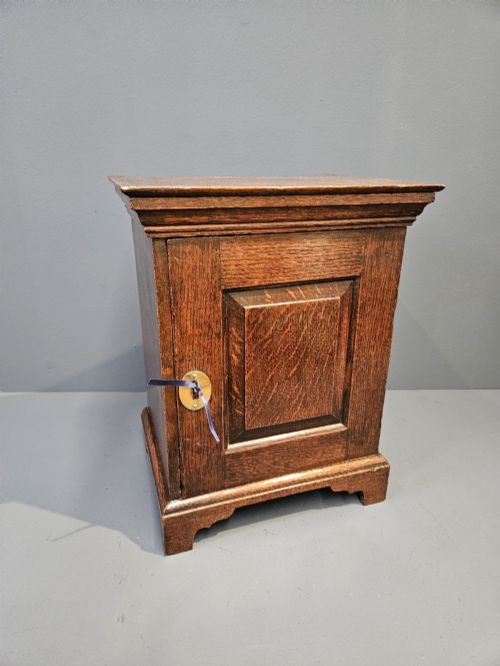
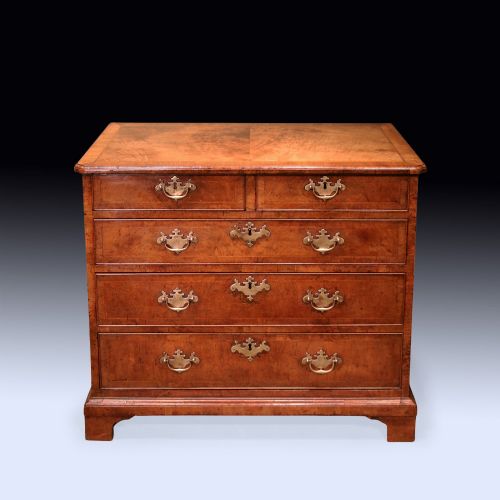
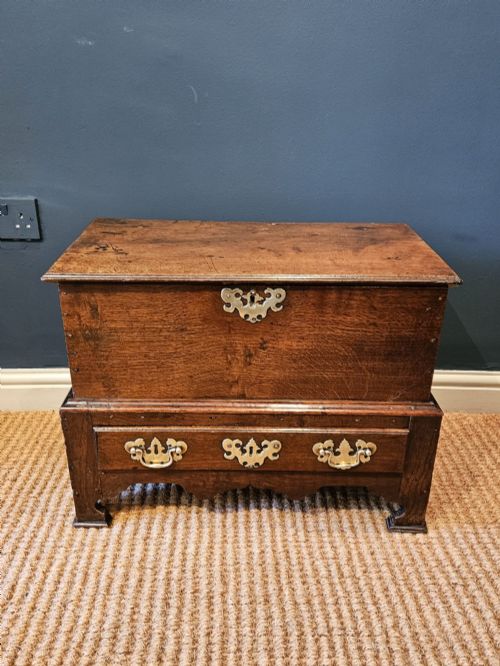
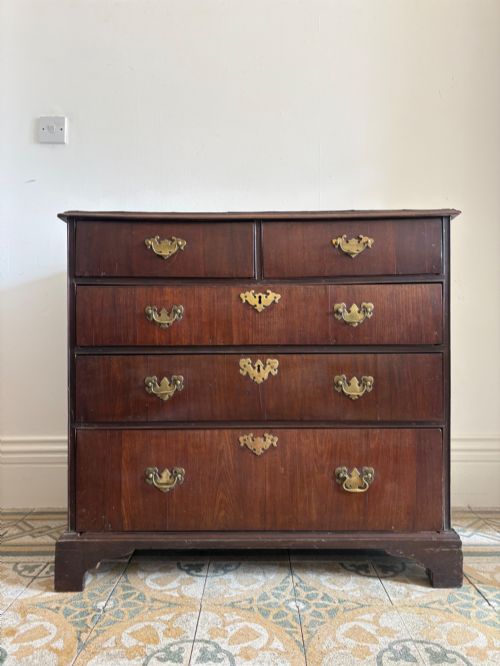
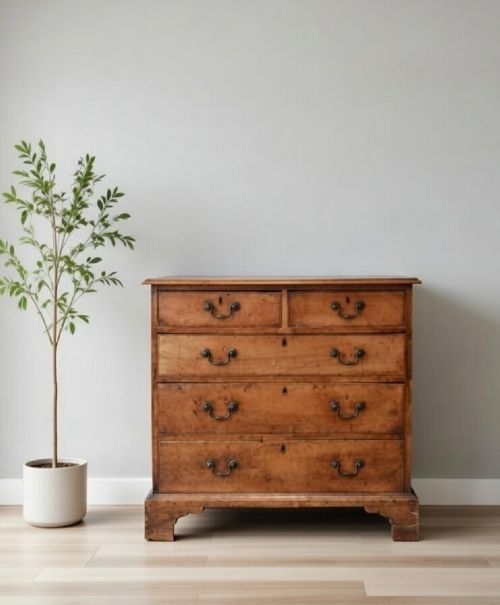
A george ii wooden chest stands as a primary expression of mid-eighteenth-century domestic joinery, constructed predominantly in walnut, oak, and mahogany. These pieces range from substantial chests of drawers and tallboys to smaller spice cupboards, coffers, and miniature furniture forms.
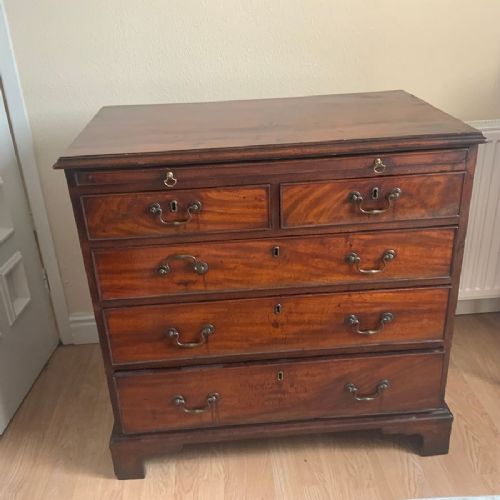
The versions most frequently encountered on this page belong to the Georgian period, often displaying pegged oak carcases, figured walnut veneers, or dense red mahogany. Alongside standard drawer configurations, collectors also meet specialised forms including silver chests, cellarettes, and dressing chests featuring integrated brushing slides.
Materials and construction methods
Cabinet makers of the period utilised solid native timbers alongside imported exotics, applying figured walnut, burr walnut, and satinwood veneers over sturdy oak or pine secondary woods. Drawer linings were typically constructed from oak or softwoods, joined with hand-cut dovetails that reveal the precise work of regional workshops.
Hardware played an integral functional role, with brass handles and escutcheons secured through the drawer fronts to complement the rich tones of the primary wood. Surface finishes relied upon traditional hand-applied polishes that emphasised the natural grain patterns of walnut, mahogany, and fruitwood.
Distinctions in quality
Quality rests primarily on the selection of timber figure, such as highly figured burr walnut or carefully matched mahogany veneers, paired with the integrity of the original carcase construction. Superior examples maintain crisp edge moulding, undisturbed timber patination, and proportional harmony across the drawer tiers and bracket feet.
The retention of original brass hardware, locks, and internal dividers significantly elevates a piece, whereas extensive timber replacement or unsympathetic surface stripping alters the historical character. Master cabinet work shows in the tightness of dovetail joints and the careful selection of grain orientation on drawer fronts.
The George II Wooden Chest Glossary
- Brushing slide
- A pull-out wooden shelf integrated above the top drawers, historically used for folding clothes or preparing tea. This feature sits flush within the moulding when closed.
- Chest on chest
- A tall storage form comprising two distinct sections, where a smaller upper chest rests directly upon a deeper base chest. This configuration provides extensive vertical storage while maintaining balanced proportions.
- Lowboy
- A small dressing or side table featuring a low set of drawers supported by four legs. They share the characteristic cabriole legs and timber framing found on companion chests.
- Cofer bach
- A small Welsh coffer or chest typically fitted with a single drawer beneath the main lidded compartment. These miniature chests served domestic storage needs in smaller rural dwellings.
- Padouk
- An exotic hardwood utilised by eighteenth-century cabinet makers for luxury boxes and tea caddies. It is recognised by its dense weight and deep reddish-brown colouration.
George II Wooden Chest: Frequently Asked Questions
How do I spot an original george ii wooden chest?
Examine the construction methods visible within the drawer linings and carcase backboards, looking for hand-cut dovetails and pegged joints rather than modern mechanical fasteners.
Check for consistent timber shrinkage, period-appropriate brass handle impressions, and natural surface patination that develops uniformly over centuries of handling.
Where should I place a george ii wooden chest?
Position these chests against interior walls away from direct sunlight and strong heat sources to protect sensitive wood veneers and traditional polishes from drying out.
Ensure the room maintains stable humidity levels to prevent timber movement, allowing doors, drawers, and slides to operate smoothly within their frames.
What is the difference between oak and walnut chests?
Oak chests date frequently to earlier rural traditions, displaying a heavy, robust grain structure suitable for utilitarian storage such as silver chests and spice cupboards.
Walnut chests typically showcase refined urban cabinet work, utilising decorative veneers and intricate cross-banding favoured in fashionable Georgian parlours and bedrooms.
How do I care for the wood surface?
Maintain the finish by applying natural beeswax sparingly with a soft cloth, buffing gently to remove dust without building up heavy chemical residues.
Avoid silicone-based sprays and water contact, as moisture penetrates aged wood finishes and can permanently lift delicate veneers from their carcase.