



George II Sterling Silver
These George II sterling silver pieces bring the weight and proportion of the mid-eighteenth century directly to a modern table.
George II Sterling Silver
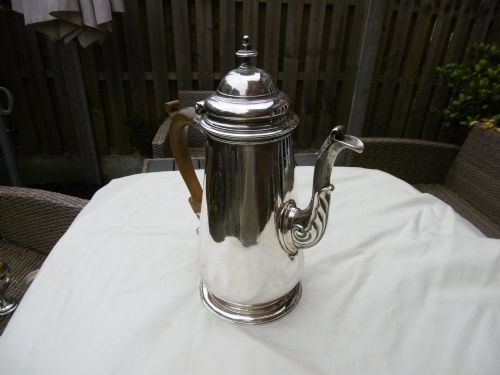
George II sterling silver encompasses domestic silver hollowware and flatware produced during the reign between 1727 and 1760. Buyers encounter functional table items including coffee pots, tankards, salvers, castors, marrow scoops, and cream jugs originating from London, Edinburgh, Newcastle, and Dublin workshops.
Materials and Techniques
Silversmiths constructed these objects predominantly from solid sterling silver, occasionally applying gold gilt to the interior surfaces of bowls, tankards, and presentation cups. Hammering, raising from flat sheet metal, and casting formed the foundational structural methods for bodies and handles.
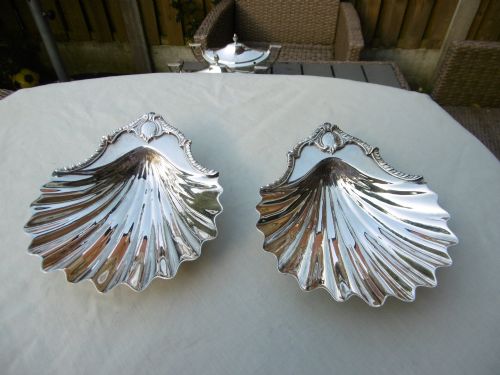
Decoration relied on hand chasing, repousse embossing, and intricate piercing rather than machine stamping. Makers applied cast scrollwork, feet, and borders, securing them with silver solder before finishing the surfaces by hand burnishing.
George II Sterling Silver Retail Price Guide 2026
Typical asking prices for george ii sterling silver among the pieces listed under this phrase on Sellingantiques today, from the lower quarter to the upper quarter. They describe what is for sale here now, not the wider market.
Judging Quality
Quality rests upon the crispness of the original chasing and the integrity of the maker's marks and town hallmarks stamped into the metal. Items retaining their heavy gauge silver without thinning from excessive polishing or structural repair command greater attention.
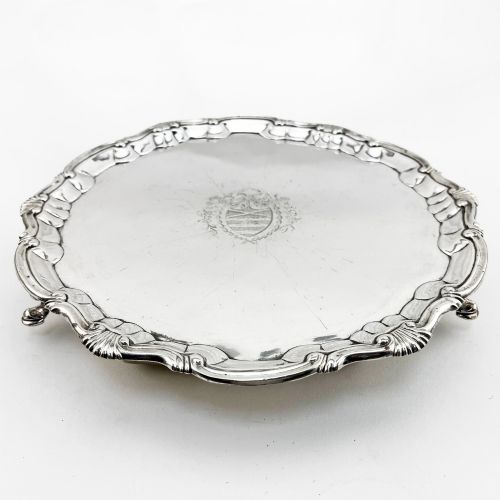
The balance of applied cast elements, such as handles and feet, relative to the main body determines the success of the form. Engraved armorial crests executed by master hand engravers elevate the distinction of individual pieces.
William Plummer·Richard Gurney·E Coker·John Cafe·David Hennell·James Tookey·Jeremiah Lee·William Garrard·John Wilks·John Mackfarlan·John Kincard·Samuel Herbert·Charles Alchorne·E Cornock·Jabez Daniell·Edward Wood
The George II Sterling Silver Glossary
- Sterling Silver
- An alloy consisting of 92.5 percent silver and 7.5 percent other metals, typically copper, used to provide durability for functional objects. This standard was legally enforced by British assay offices.
- Hallmark
- A series of official marks stamped onto precious metal items to guarantee the purity standard, the assay office city, the manufacturing year, and the maker's mark. These impressions provide the primary evidence for dating.
- Repousse
- A metalworking technique where the silversmith hammers the design from the reverse side to form raised relief patterns on the front. This method created the textured motifs seen on sauce boats and bowls.
- Salver
- A flat, footed serving tray used for presenting drinks, letters, or food items. Examples from this period feature cast shell and scroll borders standing on multiple bracket or claw feet.
- Marrow Scoop
- A specialised narrow spoon featuring a trough at each end designed for extracting marrow from animal bones at the dining table. They represent a distinct category of Georgian cutlery.
George II Sterling Silver: Frequently Asked Questions
How do I clean antique silver?
Clean sterling silver using a soft cloth and a gentle, non-abrasive silver polish formulated specifically for antiques. Avoid harsh chemical dips that strip away the natural patination built up over centuries.
Wash the pieces in warm soapy water immediately after use, particularly if they have held food or salt, and dry them thoroughly with a lint-free towel to prevent spotting.
Can I use these silver items daily?
Many buyers incorporate flatware, cream jugs, and tankards into daily routines. Solid silver is durable enough for regular service provided it receives careful hand washing rather than machine cleaning.
Delicate items with hollow handles or intricate chasing require greater care and are best reserved for occasional dining or display.
How are these pieces dated?
Dating relies primarily on the date letter stamped within the hallmarking sequence by the local assay office, such as London or Dublin. Each assay office used a specific alphabet cycle that shifted every year or twenty years.
Stilistic evidence, such as the transition from plain Queen Anne forms to elaborate Rococo ornamentation, helps confirm the era when date letters are rubbed.
Why do some items have crests?
Aristocratic families commissioned silversmiths to engrave their family crests, coats of arms, or monograms onto the surfaces of hollowware and flatware. These armorial bearings identified ownership within wealthy households and added personal distinction to the silver.
Skilled heraldic engravers executed these designs by hand, meaning the quality of the engraving often matches the status of the original commission.