





George II Pier Mirrors
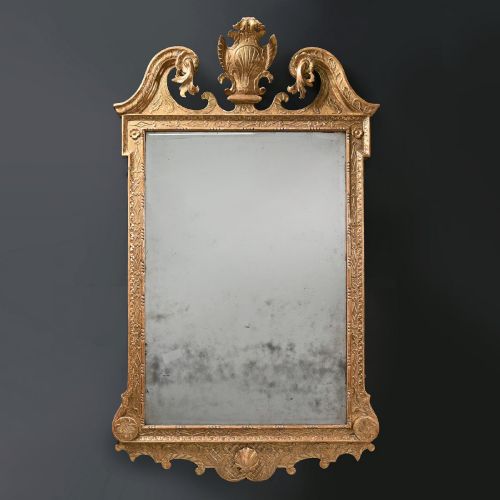
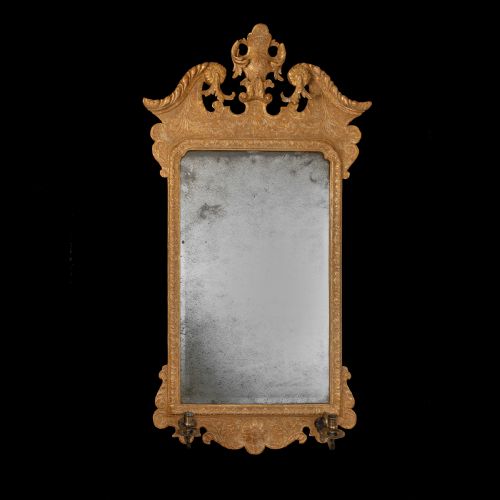
George II pier mirrors are grand architectural wall furnishings shaped by eighteenth-century classicism, prized by collectors for their striking proportions and giltwood or walnut presence.
George II Pier Mirrors
The selections span distinct periods, featuring authentic pieces from the eighteenth century alongside later nineteenth-century interpretations. These mirrors utilise forms rooted in early Georgian design, often echoing the Palladian architectural principles associated with designers such as William Kent.
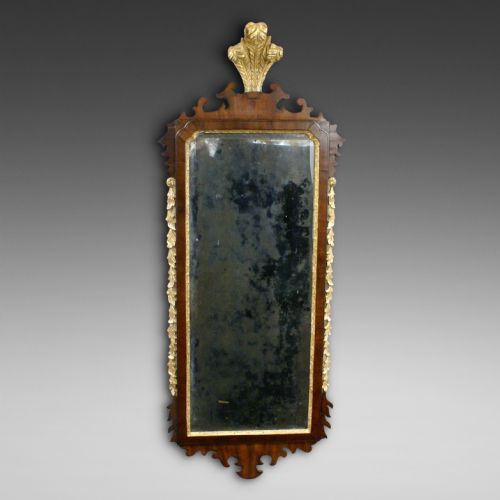
Makers and craftsmen constructed these looking glasses in both walnut and carved giltwood, frequently incorporating parcel-gilt details to catch the candlelight. The listings present wall mirrors, pier mirrors, and related variants in mahogany, burr walnut, and gesso.
How they were made
Craftsmen built the structural frames primarily from timber such as walnut, mahogany, or softwoods intended for heavy gilding. Artisans applied layers of gesso directly onto the wood base to create a smooth, responsive surface for intricate carving and subsequent application of gold leaf.
Makers then applied gold leaf meticulously over the prepared gesso ground, burnishing parts to a high shine while leaving other areas matte for textural contrast. Mirror glass plates, often original to the piece, were fitted into the rabbet, reflecting the candlelit interiors of period rooms.
Some nineteenth-century makers liked the George II look so much they borrowed William Kent's design notes whole.
What varies in quality
Quality rests significantly upon the crispness and depth of the carved gesso and wood ornamentation. Superior examples display spirited, deeply undercut carving where every acanthus leaf or architectural moulding feels intentional and sharp.
The choice and figuring of the primary timbers, particularly in walnut and parcel-gilt versions, dictate the baseline excellence of a piece. Finer mirrors retain original glass plates and harmonious proportions that align with classical Palladian design principles.
The George II Pier Mirrors Glossary
- Giltwood
- Wood that has been coated with gold leaf or powder. This finish was standard for high-status eighteenth-century frames.
- Gesso
- A plaster-like mixture applied to wood frames. It provides a smooth base for intricate carving and gilding.
- Parcel-gilt
- A finish where only specific portions of an object are gilded. The technique highlights carved wooden details against a darker timber ground.
- Pier glass
- A tall mirror designed to hang on the narrow wall between windows. These fixtures maximised light reflection in period rooms.
George II Pier Mirrors: Frequently Asked Questions
Where should I hang a pier mirror?
These mirrors work best on narrow wall spaces between windows or above principal mantelpieces where their vertical proportions command the room.
Ensure the wall construction supports the considerable weight of timber, gesso, and glass frames.
How do I spot a nineteenth-century revival?
Nineteenth-century revival pieces often display machine-sawn timber elements and different backing construction compared to eighteenth-century originals.
Examine the wear patterns on the gilding and the oxidation within the mirror glass for clues to its true age.
Did these mirrors always have original glass?
Many surviving pieces retain their original mirror plates, which exhibit characteristic distortion and foxing over time.
Replaced glass plates appear cleaner and flatter, lacking the subtle waviness found in historical manufacturing methods.
What is the William Kent style?
The William Kent style refers to heavy, architectural furniture designs influenced by Palladian ideals during the early Georgian era.
Such mirrors feature bold pediments, egg-and-dart mouldings, and heavily carved giltwood ornamentations.