

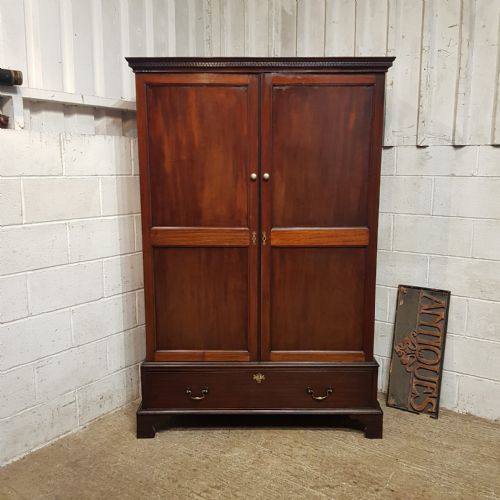

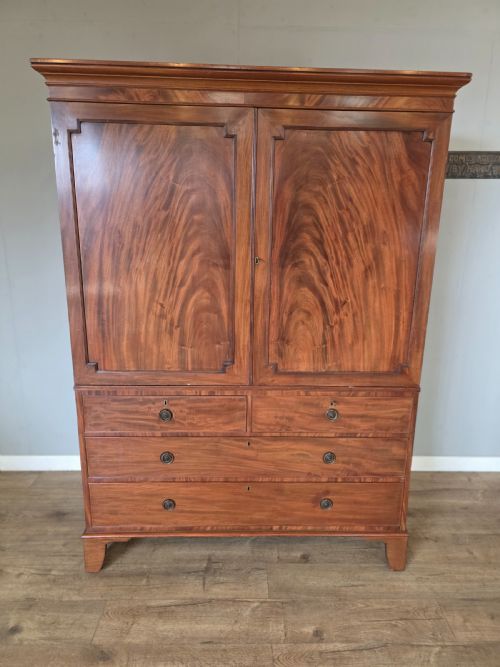


George I Wardrobe
A george i wardrobe embodies early eighteenth-century British cabinetry, offering substantial timber storage built with enduring proportion and architectural presence.
George I Wardrobe
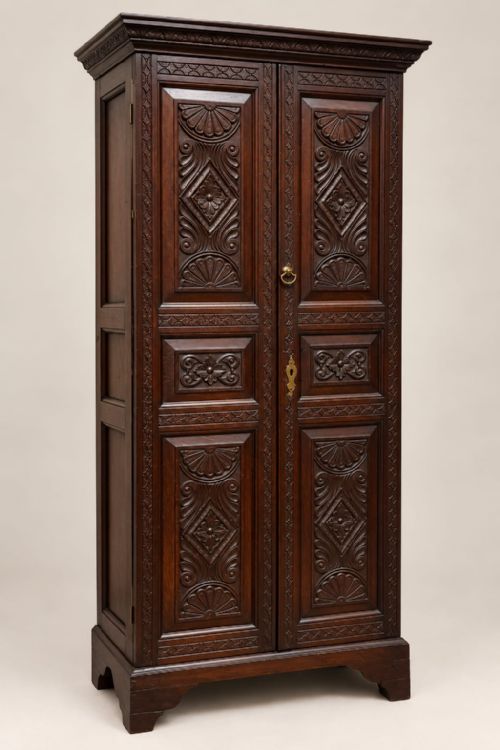
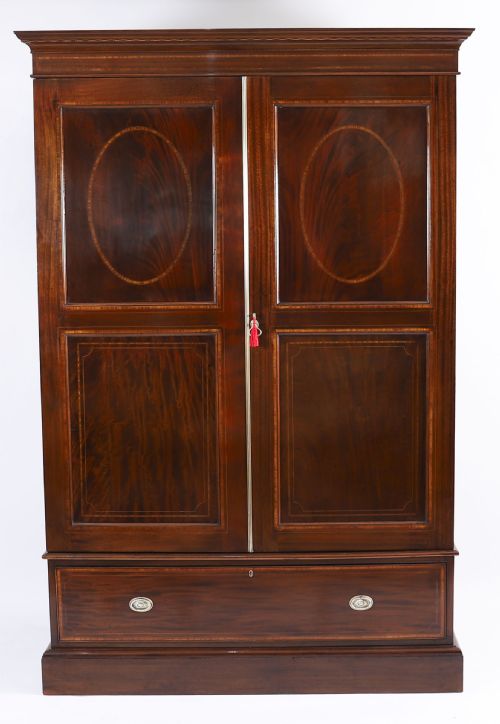
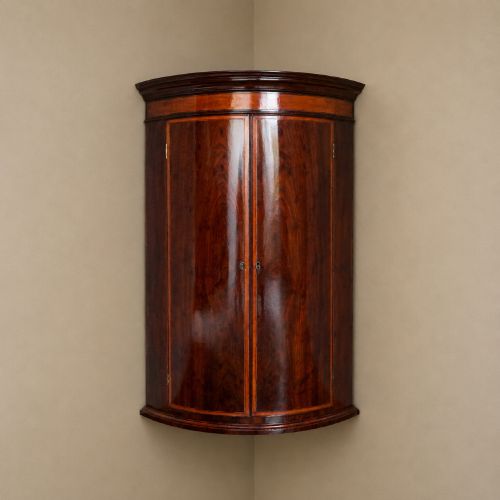
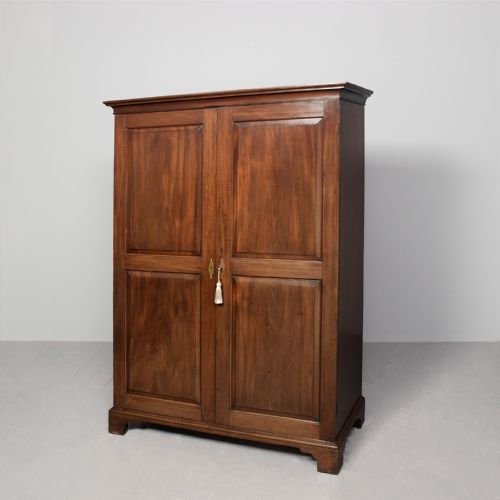
When you search for a george i wardrobe, you enter a field dominated by eighteenth-century and Georgian pieces, alongside later revivals from the nineteenth and twentieth centuries. The listings frequently present related forms such as linen presses, gentleman's cabinets, cupboards, and chests on chests rather than simple single-door closets.
The materials span walnut, oak, and various forms of mahogany, reflecting the timber choices of the Georgian era and its subsequent revivals. Makers of these pieces utilised traditional carcass construction, often pairing internal sliding trays with lower drawer configurations to store folded textiles and garments.
How they were made
Cabinet makers built these pieces using solid timbers like oak and walnut for internal frames and primary structures, applying fine mahogany and flame mahogany veneers to external surfaces. Workshops employed brass hardware for handles and escutcheons, securing doors and drawers with hand-cut dovetail joints.
Decorative detailing relied on natural grain patterns rather than heavy carving, incorporating satinwood or boxwood inlay and swan-neck pediments. Sliding trays inside the upper sections were constructed to slide smoothly within integrated timber runners.
George I Wardrobe Retail Price Guide 2026
Typical asking prices for george i wardrobe among the pieces listed under this phrase on Sellingantiques today, from the lower quarter to the upper quarter. They describe what is for sale here now, not the wider market.
One unexpected twentieth-century travel trunk shares the digital shelf with massive Georgian breakfront wardrobes.
What varies in quality
The distinction between standard utility storage and superior cabinet work rests in the selection of timber veneers and the precision of the joinery. Pieces utilising figured flame mahogany or choice walnut display a deliberate matching of grain across the doors and drawer fronts that lesser items omit.
Structural integrity depends on the original retention of interior sliding trays, working brass locks, and uncompromised feet or plinths. Hand-cut dovetails and clean interior timber surfaces signal the work of principal workshops rather than regional provincial output.
Francis Brodie·Gillows
The George I Wardrobe Glossary
- Linen Press
- A tall storage piece with upper cabinet doors enclosing sliding trays, sitting above a chest of base drawers. This form was originally designed for storing household linens before hanging wardrobes became common.
- Gentleman's Press
- A specialised wardrobe or cabinet featuring hanging space or sliding trays alongside smaller compartmentalized drawers for accessories. These pieces typically date from the Georgian period.
- Breakfront
- A cabinet design where the central section projects forward from the flanking outer sections. This architectural arrangement creates depth and visual interest on large wardrobes.
- Flame Mahogany
- A veneer cut from the branch junctions of the mahogany tree, producing a distinctive flickering, flame-like pattern. Cabinet makers reserved this timber for principal display surfaces.
- Swan-neck Pediment
- A broken arch top moulding curving upward and outward to terminate in scrolls or rosettes. This decorative cresting frequently crowns eighteenth-century case furniture.
George I Wardrobe: Frequently Asked Questions
What is a george i wardrobe used for?
These pieces provide substantial storage for clothing and textiles through a combination of hanging space, internal sliding trays, and lower drawers. They function as both practical bedroom furniture and architectural focal points.
The deep internal proportions accommodate folded garments and linens within the upper press sections, while the lower chest drawers handle smaller apparel.
How do I live with a large wooden cabinet?
Position the piece away from direct sunlight and sudden temperature shifts to protect the timber and delicate veneers from drying or splitting. Ensure the floor is level so the heavy doors hang straight and close correctly.
Regular polishing with traditional wax maintains the moisture and sheen of the mahogany or walnut surfaces without sealing the wood.
How do I distinguish eighteenth-century pieces from later revivals?
Examine the interior construction, secondary timbers, and hand-cut dovetails for the tool marks and ageing characteristics typical of the seventeen-hundreds. Later nineteenth-century revivals often utilise machine-sawn elements and different internal framing methods.
Hardware placement, lock types, and the method of veneer application also offer clear clues to whether a piece dates to the Georgian era or the Victorian revival period.