

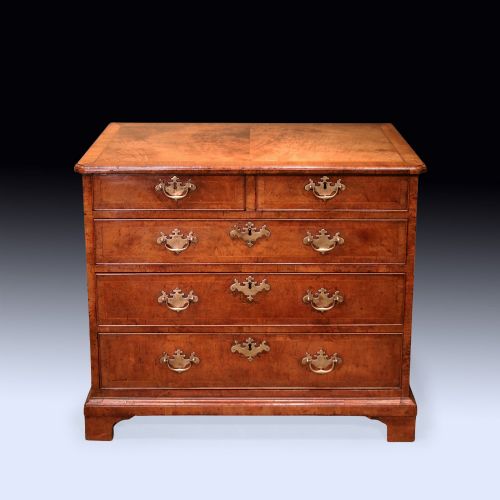
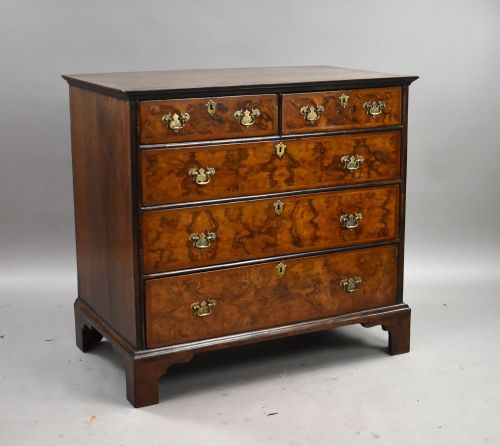
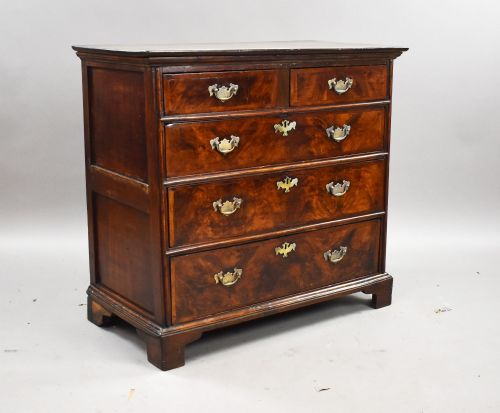


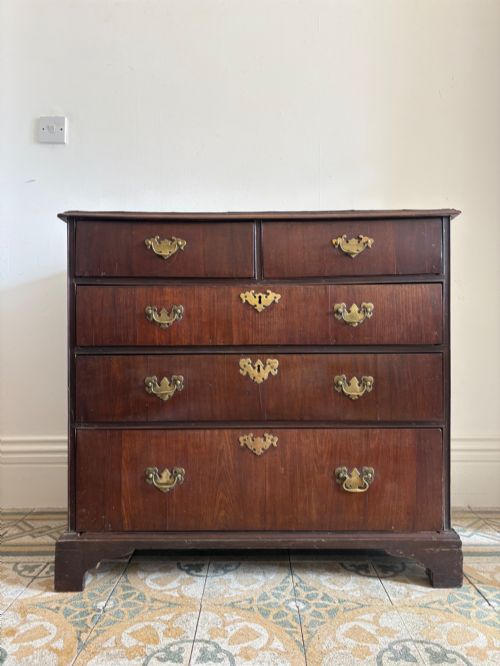


George I Walnut Dresser
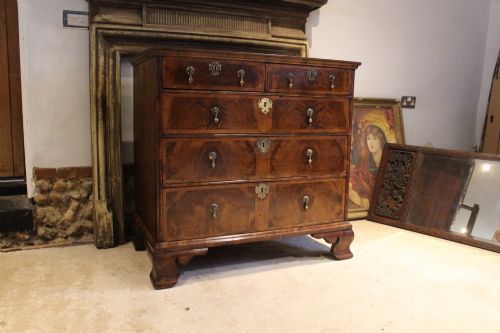
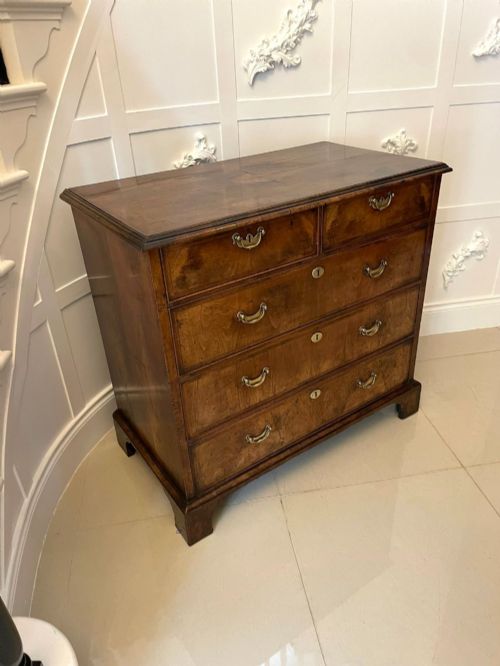
A george i walnut dresser brings warm timber and disciplined grain into a room, offering deep drawers and sturdy surfaces built to last.
George I Walnut Dresser
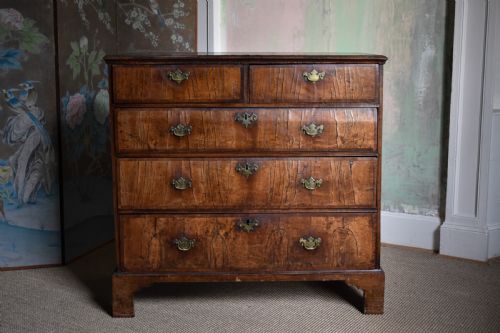
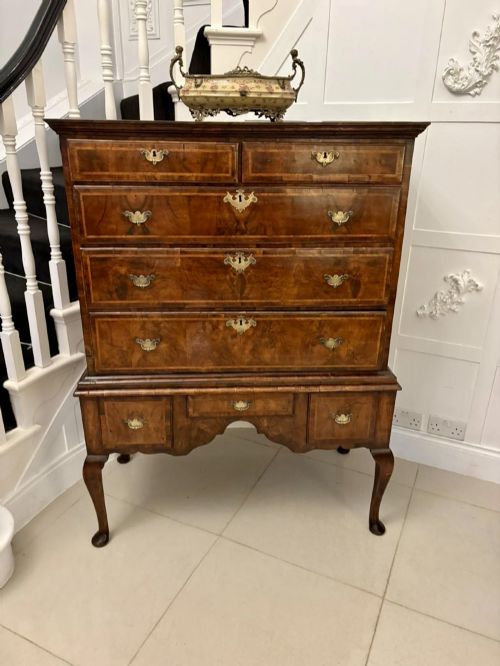
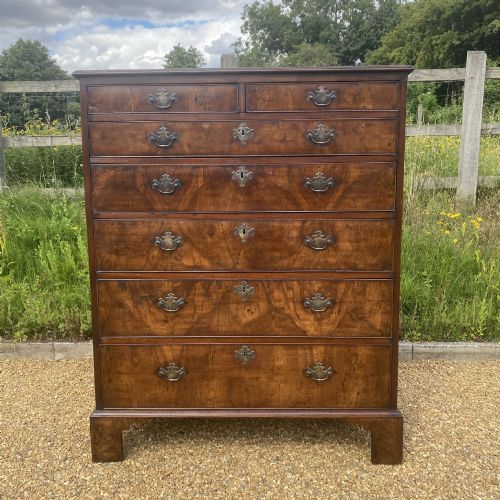
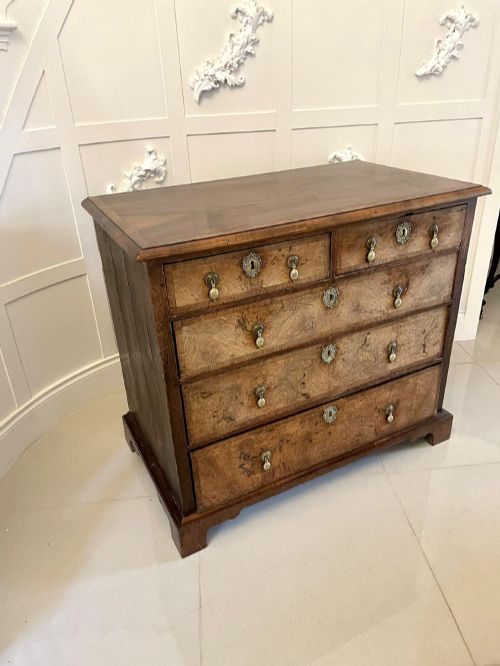
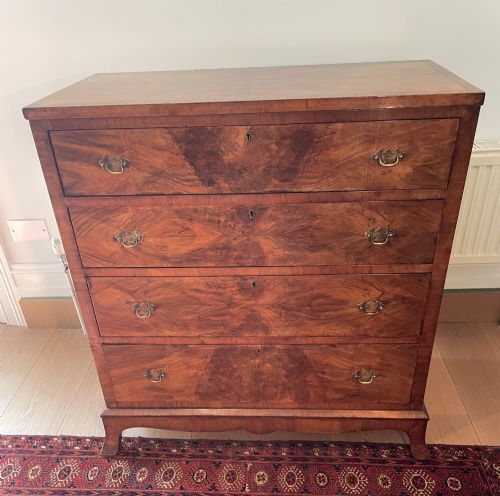
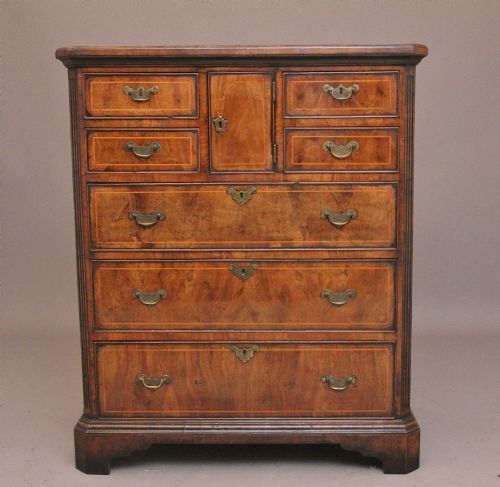
When searching for a george i walnut dresser, buyers encounter a selection dominated by chests of drawers, chests on stand, and dresser bases spanning the Georgian and 18th century periods.
The objects on this page frequently manifest as chests of drawers or low bases, reflecting the cabinetmaker's focus on practical storage and domestic utility during the early 18th century.
Alongside authentic 18th-century examples, the listings include later 20th-century revivals styled after George I designs, constructed from walnut and burr walnut.
How they were made
Cabinetmakers constructed these pieces primarily from solid walnut and oak, applying burr walnut veneer to primary display surfaces to showcase intricate grain patterns.
Many examples incorporate decorative details such as herringbone banding and feather-banded borders around the drawer edges, executed with precision.
Fitted interiors often rely on secondary timbers like pine, while brass handles and escutcheons secure the drawers and doors.
George I Walnut Dresser Retail Price Guide 2026
Typical asking prices for george i walnut dresser among the pieces listed under this phrase on Sellingantiques today, from the lower quarter to the upper quarter. They describe what is for sale here now, not the wider market.
Listings span the Georgian period, the 18th century, and 1920s revivals, constructed using walnut, burr walnut veneer, oak, pine, and brass.
What varies in quality
The intricacy and preservation of the walnut veneer set apart the finer pieces, particularly where burr walnut or figured timber creates striking patterns across the front.
Attention to detail in peripheral elements, such as the crispness of herringbone inlay and the retention of original brass hardware, marks out superior examples.
Proportion and scale dictate the desirability of a piece, with smaller proportions and well-formed cabriole legs on stands commanding greater attention from collectors.
The George I Walnut Dresser Glossary
- Herringbone banding
- A decorative inlay technique using small veneers laid in a V-shaped pattern, commonly framing drawer fronts on walnut furniture. This detail requires considerable skill from the cabinetmaker to align the grain.
- Burr walnut
- Sourced from the abnormal growths on walnut trees, this timber produces swirling, highly decorative grain patterns. It was sliced into thin veneers for the most prominent surfaces of elite furniture.
- Chest on stand
- A tall storage chest raised upon a separate framed base, often featuring cabriole legs. This form elevates the storage capacity while lightening the visual weight in a room.
- Feather-banded
- A type of inlay where two strips of veneer are cut and laid diagonally to meet at a central line, resembling the barbs of a feather. It provides a neat, restrained border to drawer perimeters.
- Red walnut
- A term applied to specific shipments of American or West Indian walnut imported during the 18th century, notable for its distinct reddish hue. Makers utilised this timber for solid construction and carved elements.
George I Walnut Dresser: Frequently Asked Questions
Where were these pieces used?
These pieces served practical storage and display functions within domestic interiors, ranging from formal dining spaces to private chambers.
Their substantial drawers and sturdy tops provided reliable storage for linens, tableware, and household documents.
How do I care for walnut furniture?
Maintain walnut furniture by keeping it away from direct sunlight and extreme temperature fluctuations, which can dry out the timber and veneer.
Apply a traditional beeswax polish sparingly to nourish the wood and preserve the depth of the grain.
Are all these items from the 18th century?
While many pieces date from the 18th century and the Georgian era, the selection includes later revival pieces from the 1920s built in the George I style.
Reviewing the listed period for each specific item clarifies whether it is an original antique or a later interpretation.