





George I Style Drawers
George I style drawers bring understated symmetry and rich figured timbers into domestic spaces, offering timeless storage rooted in early eighteenth-century proportions.
George I Style Drawers
When searching for george i style drawers, buyers encounter pieces spanning genuine Georgian eras as well as later revival periods from the nineteenth and twentieth centuries.
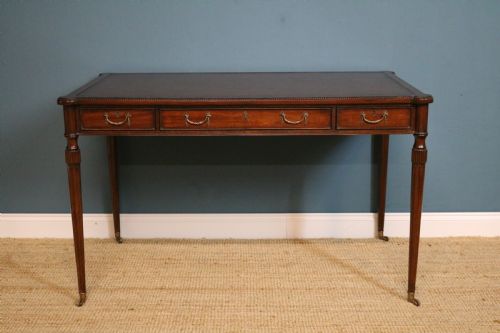
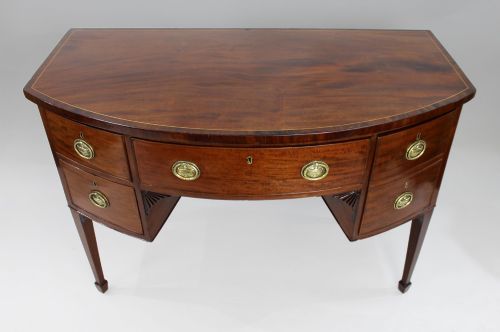
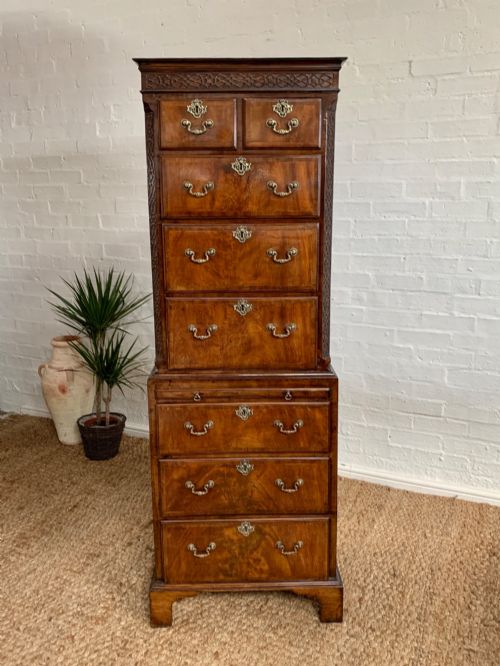
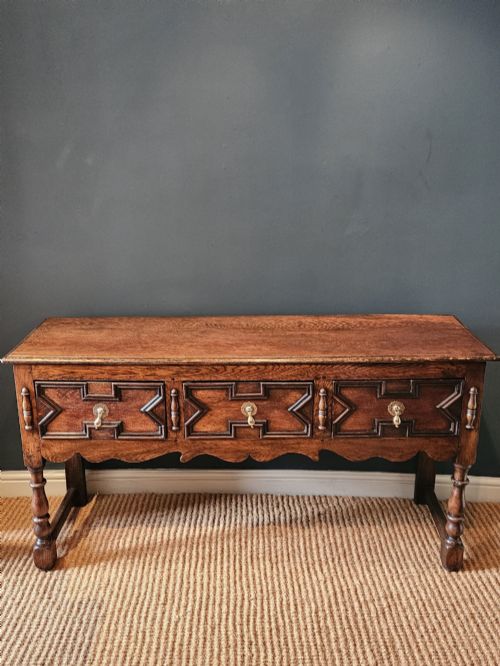
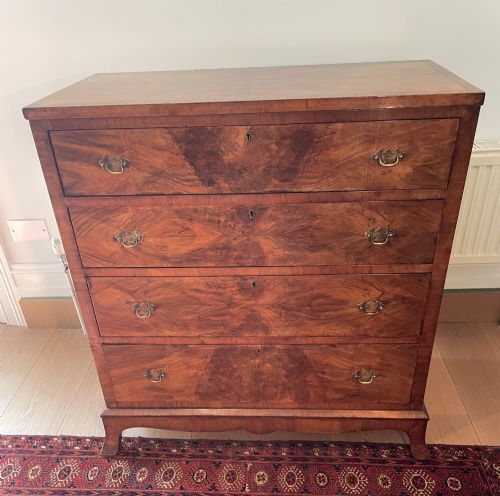
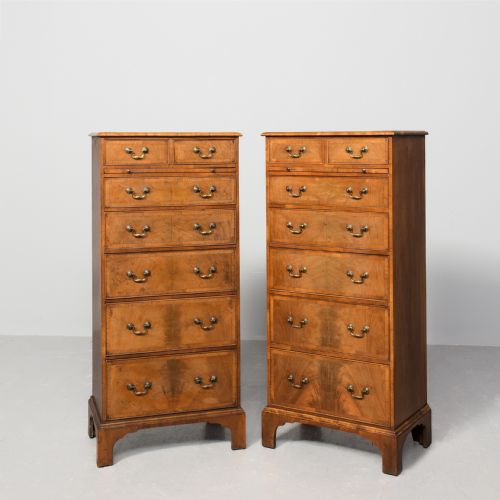
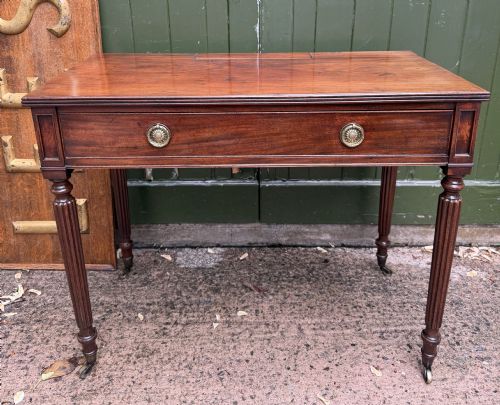
The dominant forms include chests of drawers, lowboys, and chests on stand, frequently exhibiting walnut veneers and geometric mouldings.
Many examples merge early aesthetic influences with later craftsmanship, particularly in twentieth-century revivals that replicate the proportions of walnut and mahogany originals.
Materials and Construction
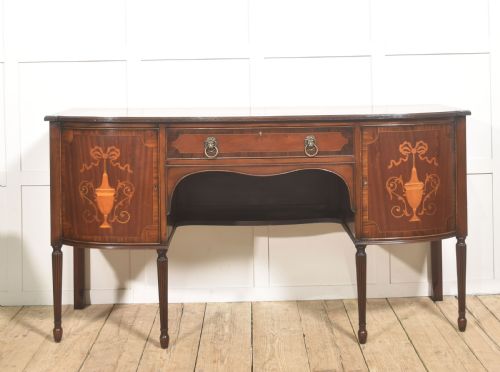
Cabinet makers utilised primary timbers such as mahogany, oak, and walnut, frequently enhancing surfaces with burr walnut veneers, feather banding, and marquetry inlay.
Structural integrity relied on traditional joinery paired with brass handles, escutcheons, and occasionally glass or leather inserts on related desk surfaces.
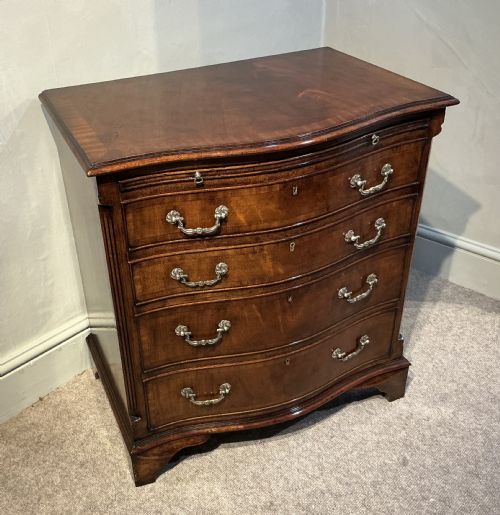
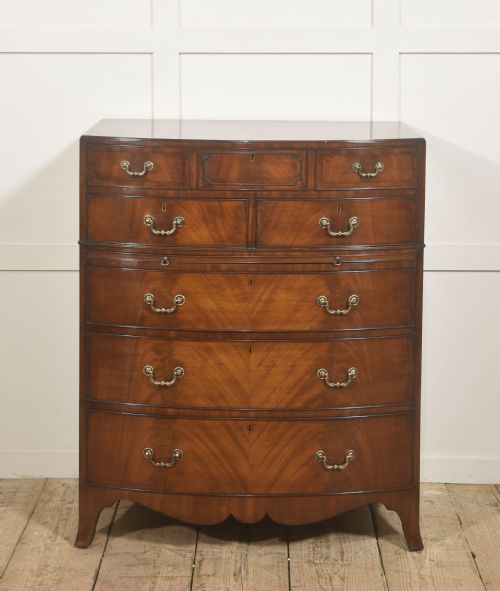
Surfaces were shaped into serpentine, block-front, or bow-front profiles, supported by bracket feet or stands characteristic of Georgian design.
George I Style Drawers Retail Price Guide 2026
Typical asking prices for george i style drawers among the pieces listed under this phrase on Sellingantiques today, from the lower quarter to the upper quarter. They describe what is for sale here now, not the wider market.
Some miniature chests stand merely twenty centimetres high, offering exact stylistic precision in miniature form.
Quality Indicators
The standard of timber selection heavily dictates value, distinguishing plain boards from richly figured burr walnut, flame mahogany, and intricate satinwood veneers.
Execution of fine details such as feather banding, crossbanding, and precision in geometric mouldings separates standard workshop output from exceptional cabinet work.
Gillows of Lancaster·George Walton·William Gomm·Waring and Gillow
The George I Style Drawers Glossary
- Lowboy
- A small dressing table or side table featuring one or more rows of drawers, typically raised on slender cabriole or straight legs.
- Tallboy
- A tall chest of drawers consisting of one chest stacked upon another, also known as a chest on chest.
- Serpentine
- A front contour characterised by a convex central section flanked by two concave curves, creating a gentle undulating shape.
- Feather banding
- A decorative inlay technique using veneer slices arranged in a V-shape resembling a feather, framing drawer fronts.
- Quarter veneered
- A method of arranging four matching veneer slices cut from the same log to create a symmetrical pattern across a surface.
George I Style Drawers: Frequently Asked Questions
How do I identify a George I style piece?
George I style pieces are typically characterised by walnut timbers, quarter-veneered surfaces, and subtle geometric mouldings rather than heavy carving. They often sit on low stands or bracket feet.
Many examples date from later revival periods in the twentieth century while faithfully adopting the compact proportions and clean lines of the original eighteenth-century aesthetic.
What is the difference between a lowboy and a chest?
A lowboy functions primarily as a small table with drawers, often used as a dressing or side table, standing on taller legs. A chest of drawers is a dedicated storage unit built closer to the floor.
Both forms utilise similar decorative techniques like feather banding and walnut veneers across the historical periods represented.
Where should I place these drawers at home?
These chests suit bedrooms, hallways, or living rooms where their figured walnut or mahogany surfaces add warmth and texture. Their compact or neat sizes often allow them to fit into tighter architectural spaces.
Pairing them with traditional brass-mounted mirrors or keeping them freestanding preserves their architectural lines and visual balance.
Are these pieces made of solid walnut?
Most examples use foundational woods like oak or pine for internal carcases, overlaid with decorative veneers such as burr walnut, mahogany, or satinwood on the exterior surfaces. This technique protected expensive timbers while creating striking symmetrical patterns.
Solid construction appears more frequently in structural elements like framing, mouldings, and drawer dividers.