



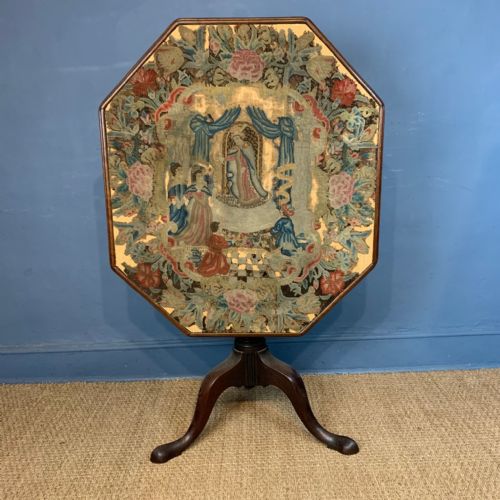


George I Needlework
George I needlework pieces bring surviving eighteenth-century textile artistry into your home through samplers, chair seats, and fire screens.
George I Needlework
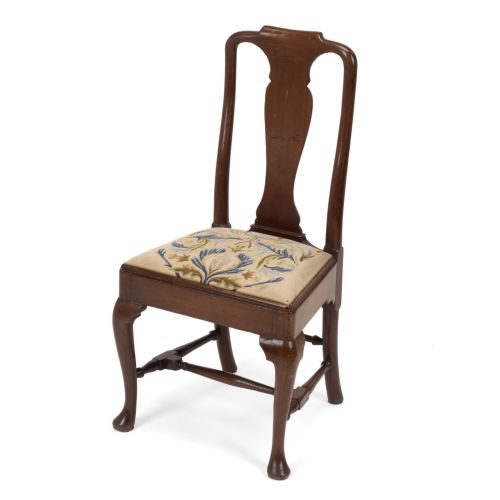
Most examples date from the eighteenth century into the early nineteenth century, aligning with Georgian and George II or George III styles. The objects combine functional furniture forms with decorative stitching executed on linen and fabric grounds.
How they were made
Craftsmen shaped these pieces using native and imported timbers such as mahogany, walnut, satinwood, and rosewood. These woods formed the structural frames for tables, tripod pole screens, and side chairs.
Textile elements incorporate silk and linen worked by hand into samplers and upholstery. Metal components like brass inlays and lion mask handles finish the finer tables and screens.
George I Needlework Retail Price Guide 2026
Typical asking prices for george i needlework among the pieces listed under this phrase on Sellingantiques today, from the lower quarter to the upper quarter. They describe what is for sale here now, not the wider market.
Listings feature mahogany, walnut, satinwood, and rosewood combined with silk, linen, and brass.
What varies in quality
The sophistication of the timber work and the complexity of the secondary materials dictate the grade of each piece. Solid mahogany and figured rosewood framing sit at a different level from simpler structural timbers.
The intricacy and preservation of the needlework itself determine the distinction between standard domestic items and superior examples. Surviving threads on samplers and chair seats show varying degrees of stitch control and pictorial ambition.
Gillows of Lancaster
The George I Needlework Glossary
- Pole screen
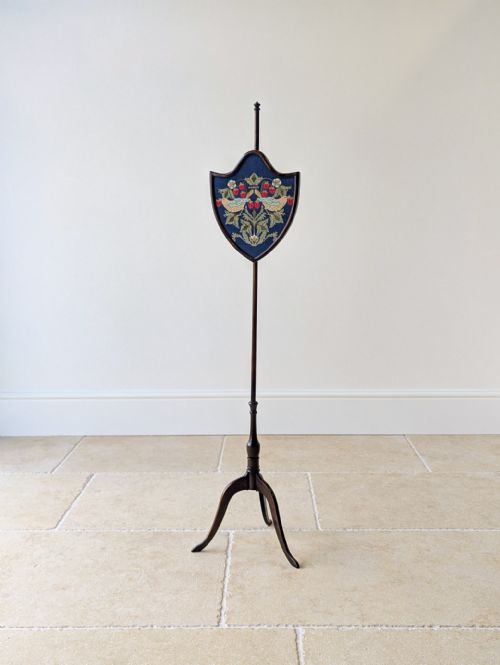
- A vertical decorative panel mounted on a slender tripod pole to shield the face from the heat of an open fire. These items often showcase mounted needlework.
- Sampler
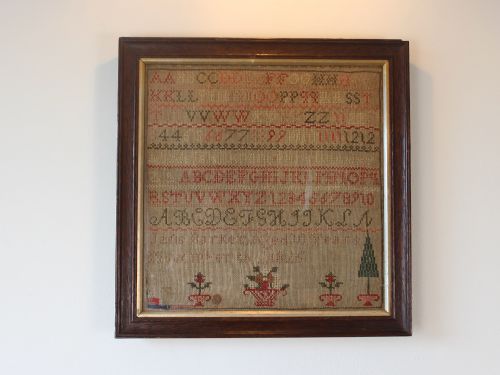
- A piece of textile art worked in various stitches to demonstrate skill, often featuring alphabets, prayers, or dates. These provide documentary evidence of domestic education.
- Work table
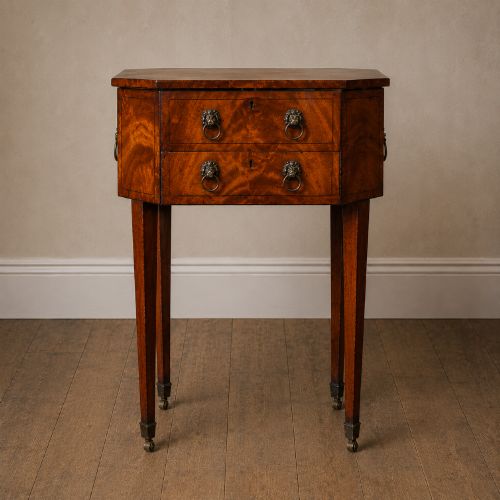
- A small domestic table fitted with drawers or bags for sewing equipment. Also known as a sewing table, it combines cabinetry with textile storage.
- Tripod table
- A small occasional table supported by three pillar legs radiating from a central column. This form frequently supports tilt-top mechanisms or screen frames.
George I Needlework: Frequently Asked Questions
What is george i needlework?
These pieces comprise eighteenth-century textile art, samplers, and upholstered furniture elements from the Georgian era. They reflect domestic handwork and cabinet making of the period.
Items range from framed samplers bearing dates and alphabets to needlework inserts on chair seats and fire screens.
How were sewing tables used?
Work tables served as functional items for women undertaking needlework and thread crafts in the home. Their drawers and compartments held tools, silks, and linen.
Cabinetmakers integrated these compartments into elegant mahogany and satinwood furniture suitable for receiving rooms.
How do you date a sampler?
Samplers often bear embroidered dates, initials, and names that record the year of creation and the maker. Stylistic letter forms and border designs provide additional clues to the exact period.
The presence of specific prayers, such as the Lord's Prayer, helps place pieces within early eighteenth-century traditions.
Where were pole screens placed?
Pole screens stood near fireplaces in Georgian sitting rooms to protect individuals from the intense radiant heat of open fires. The adjustable screen panel slid up and down the tripod pole.
Their decorative needlework panels added colour and texture to the room when the hearth was not active.