


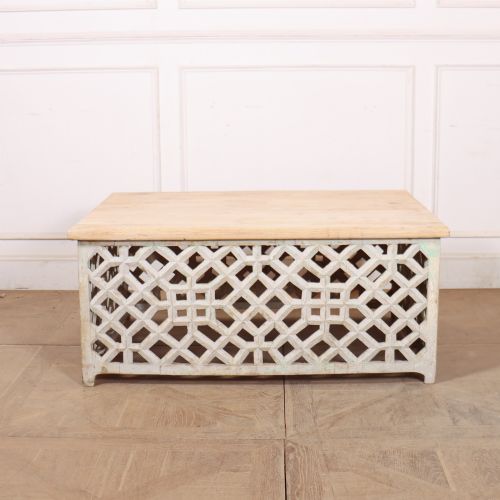


Geometric Wood Coffee Table
A geometric wood coffee table brings pattern and warmth into a room, offering a functional surface built from contrasting timbers.
Geometric Wood Coffee Table
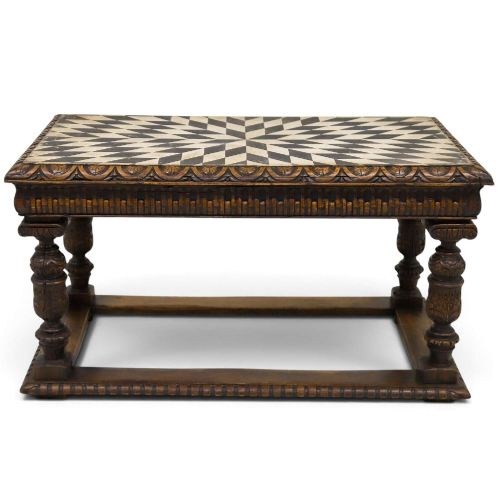
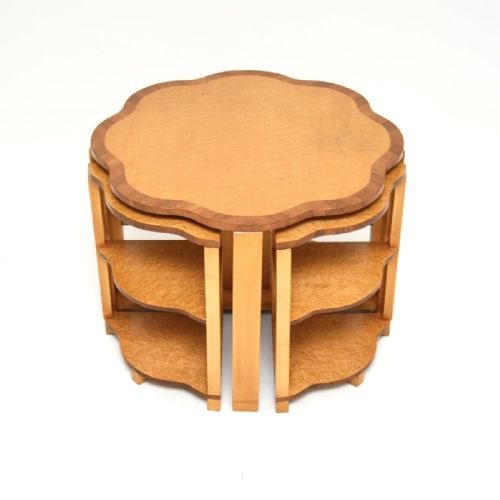
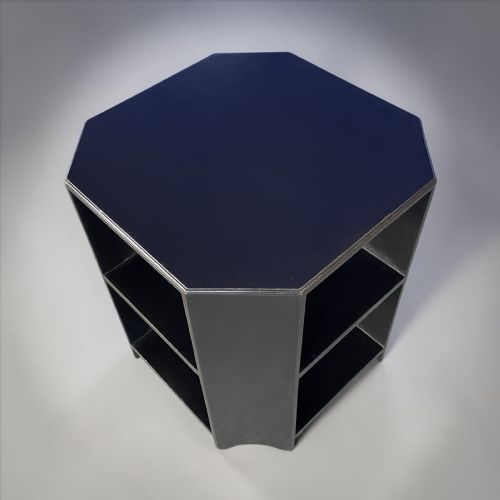
A geometric wood coffee table combines patterned woodwork with low proportions suited to modern seating arrangements. These pieces span from 17th Century Dutch parquetry to Art Deco birds eye maple nests and mid-century Italian designs.
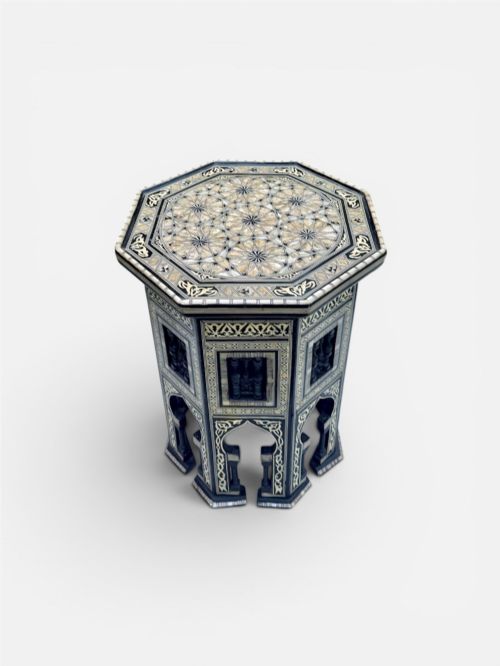
Buyers will find diverse forms on this page, including nests of tables, occasional low tables, and tables incorporating glass tops or antique panels. Materials range from walnut and satinwood to fruitwood and oak, often shaped by Sorrento, Anglo-Indian, or Ottoman traditions.
How they were made
Makers constructed these tables using solid timbers and veneers of walnut, satinwood, fruitwood, and birds eye maple over sturdy wooden frames. Craftspeople arranged contrasting grains and coloured woods to create sharp angles, tessellating shapes, and intricate parquetry motifs.
Surface decoration frequently involved intricate inlay work, such as Sorrento marquetry, mother of pearl accents, or fitted glass panels protecting delicate wood surfaces. Joinery techniques relied on traditional cabinetmaking skills appropriate to each period, from 17th Century Dutch workshops to 1930s modernist studios.
Geometric Wood Coffee Table Retail Price Guide 2026
Typical asking prices for geometric wood coffee table among the pieces listed under this phrase on Sellingantiques today, from the lower quarter to the upper quarter. They describe what is for sale here now, not the wider market.
Materials represented across the selection include walnut, satinwood, fruitwood, birds eye maple, and glass.
What varies in quality
The precision and complexity of the woodwork set the finest examples apart from simpler pieces. Crisp alignment in parquetry and careful selection of figured timbers indicate superior craftsmanship.
The integrity of the construction and the subtlety of the timber finishing dictate the overall standard. Tables retaining their original surface patination and precise geometric arrangement command greater appreciation.
Heal's
The Geometric Wood Coffee Table Glossary
- Parquetry
- Geometric mosaic woodwork arranged in regular patterns like squares, triangles, or lozenges. It forms the primary decorative surface on many low tables and nests.
- Marquetry
- The art of applying small pieces of veneer to a structure to form decorative patterns and pictures. Sorrento examples showcase this technique using various coloured woods.
- Birds Eye Maple
- Timber featuring tiny circular figures resembling bird's eyes, caused by local disruptions in wood growth. It appears prominently on Art Deco pieces.
- Satinwood
- A durable, lustrous wood with a golden yellow sheen often utilised for fine inlay and contrasting geometric borders. It lends brightness to 19th Century tables.
Geometric Wood Coffee Table: Frequently Asked Questions
What is a geometric wood coffee table?
A geometric wood coffee table is a low surface featuring patterned wood arrangements such as parquetry, inlay, or tiled motifs.
These pieces draw on styles ranging from Art Deco and Victorian to 17th Century Dutch traditions, utilising timbers like walnut, satinwood, and fruitwood.
How do I date a geometric wood coffee table?
Dating depends on the underlying style, construction methods, and timber choices visible in the piece. Art Deco tables often feature bold birds eye maple and clean lines, while 17th Century or 19th Century examples display traditional parquetry and hand-cut joinery.
Examining the underside and the type of veneer helps confirm the manufacturing period.
How do I style a geometric wood coffee table?
Pair these tables with neutral seating to allow the intricate wood patterns and geometric lines to stand out as a focal point. Using a nest of tables provides flexible surface space that can be separated when entertaining.
Keep decorative objects minimal to showcase the grain and inlay of the timber top.
Are these tables sturdy for daily use?
Solid construction from hardwoods like oak, walnut, and fruitwood ensures these tables withstand everyday placement of books and cups. Some delicate surfaces benefit from coasters or protective glass tops.
Regular maintenance with appropriate wood care keeps the polished finish resilient.