


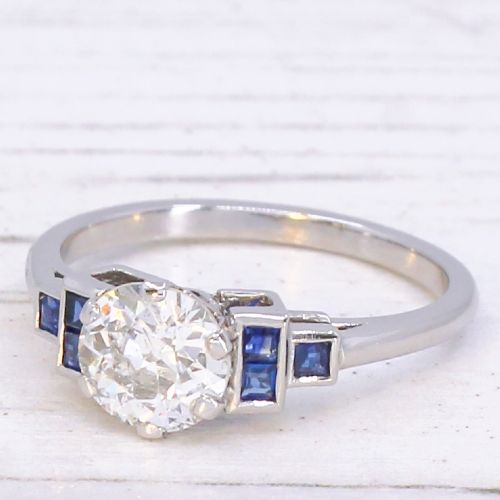


Geometric Platinum Dress Ring
A geometric platinum dress ring delivers linear precision and cool metalwork, anchoring the hand with structured elegance.
Geometric Platinum Dress Ring
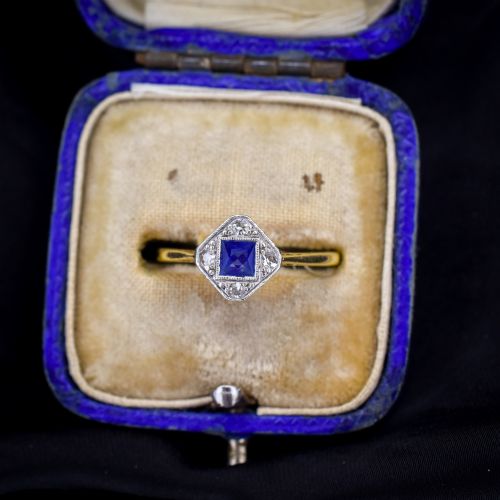
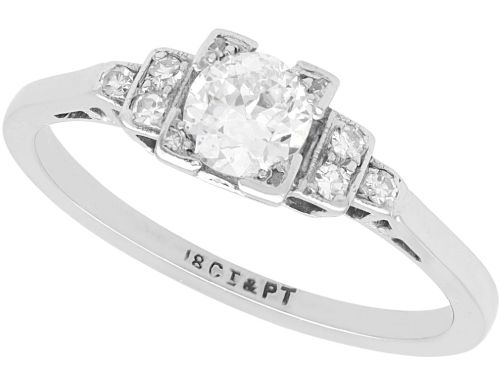
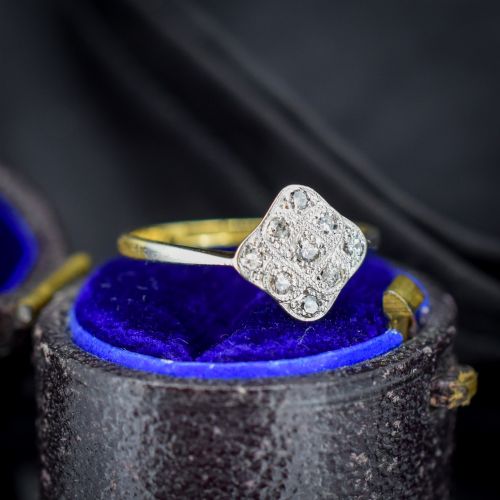
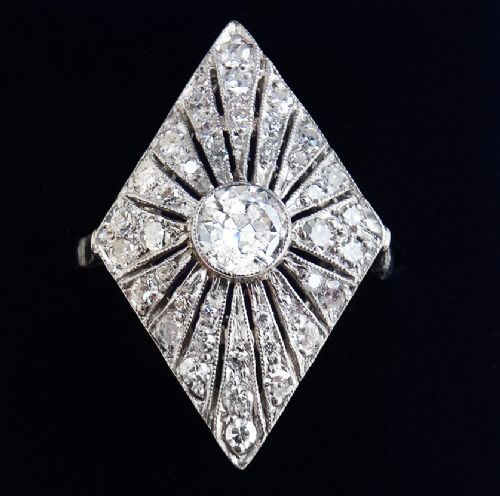
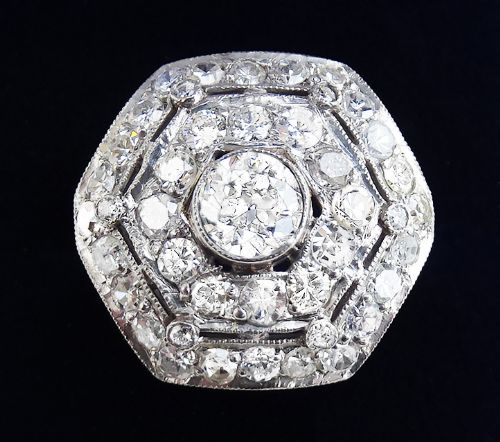
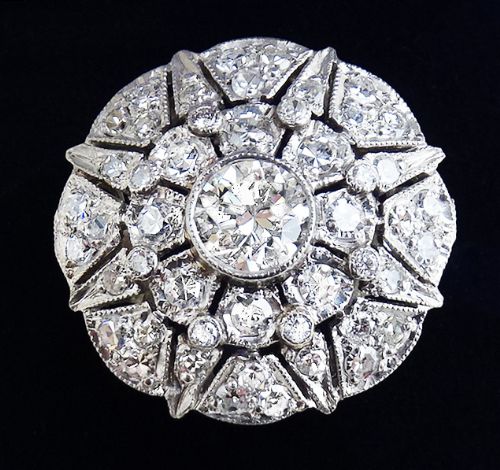
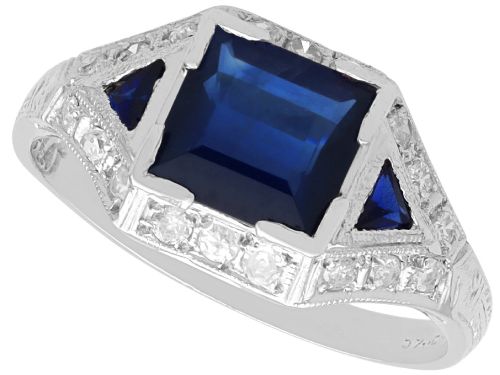
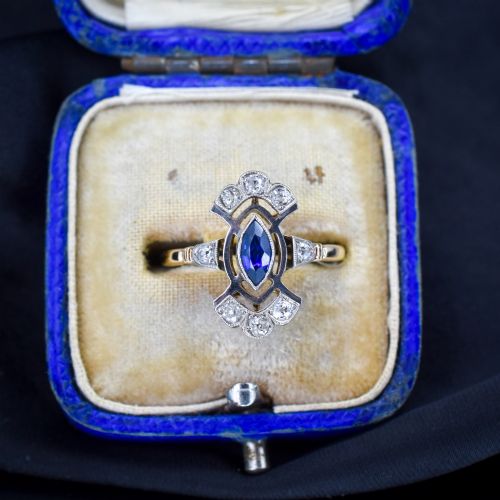
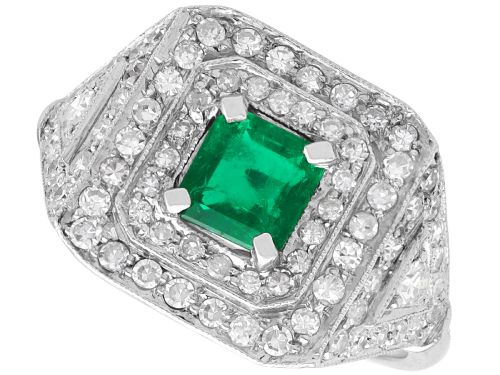
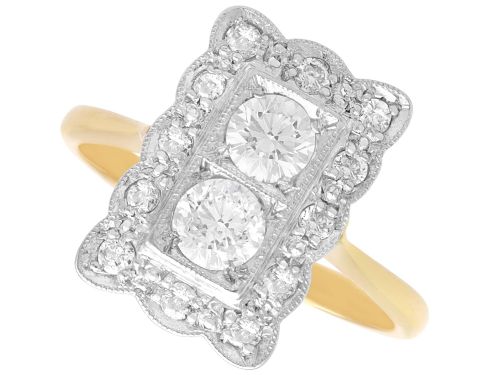
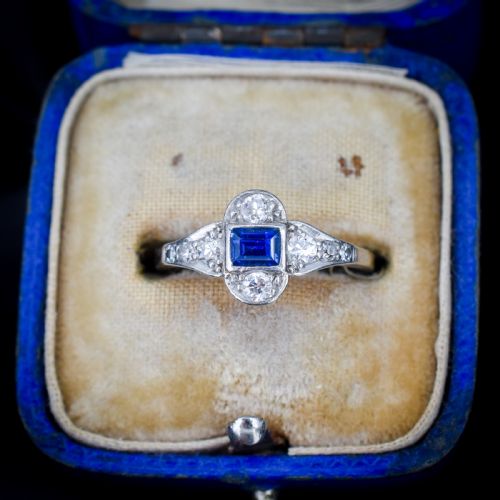
A geometric platinum dress ring combines rigid symmetry with durable metal framing, presenting distinct profiles from rectangular plaque rings to circular target designs. Most examples originate from the Art Deco period of the 1920s and 1930s, utilising strict angles and symmetrical layouts to catch the eye.
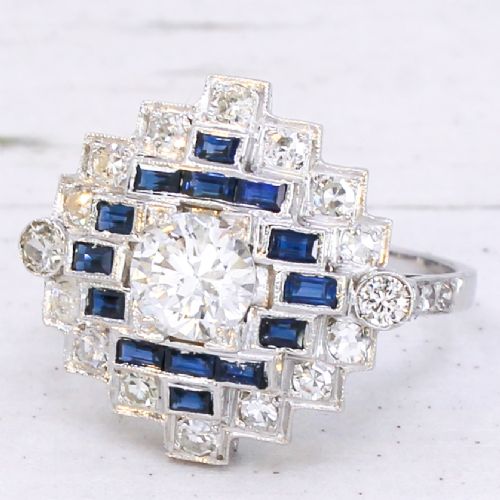
Makers of these geometric platinum dress rings relied on architectural blueprints, translating stepping terraces and chevron patterns into wearable ornaments. The resulting forms sit low upon the finger, prioritising clean silhouettes and geometric repetition.
Materials and construction methods
Platinum serves as the structural backbone for these rings, valued for its strength in holding intricate, ultra-thin metal settings without bending. Jewellers often paired platinum heads with 18ct white or yellow gold shanks, fusing high-durability metal on top with traditional gold bands underneath.
Stones including diamonds, sapphires, rubies, emeralds, onyx, and opals were cut into old European, transitional, or flat calibré shapes to fit flush within geometric channels. Master craftsmen utilised millegrain edging - tiny raised metal beads - to soften harsh metal borders and secure pavé-set stones.
Geometric Platinum Dress Ring Retail Price Guide 2026
Typical asking prices for geometric platinum dress ring among the pieces listed under this phrase on Sellingantiques today, from the lower quarter to the upper quarter. They describe what is for sale here now, not the wider market.
Listings feature platinum paired with diamonds, sapphires, emeralds, and rubies across periods spanning Edwardian times to the 1960s.
Markers of fine execution
Quality rests upon the precision of the metalwork and the uniformity of the stone layout, where hand-pierced openwork galleries display meticulous symmetry. Superior pieces maintain crisp geometric edges without distortion in the millegrain or uneven stone heights.
The choice and matching of coloured gemstones - such as Burmese rubies or Colombian emeralds - dictate the upper tier of desirability, alongside the clarity and cut consistency of the surrounding diamonds. Well-preserved hallmarks and French control marks also anchor the integrity of the piece.
The Geometric Platinum Dress Ring Glossary
- Calibré-cut
- Small gemstones cut specifically in geometric shapes like squares, triangles, or trapezoids to fit tightly together in a continuous row. This technique defines the sharp borders seen in many period jewels.
- Millegrain
- A decorative technique featuring a row of tiny, raised metal beads along the edge of a setting. It adds a subtle texture and frames the stones neatly.
- Plaque ring
- A ring characterised by a flat, wide top surface covered in gemstones and metalwork, resembling a small panel. They frequently display intricate openwork and geometric motifs.
- Target ring
- A circular cluster ring featuring a central stone surrounded by one or more concentric rings of contrasting gemstones. The resulting pattern resembles a bullseye.
Geometric Platinum Dress Ring: Frequently Asked Questions
How do I wear a geometric platinum dress ring daily?
These rings pair easily with modern or vintage attire, serving as singular statement pieces on the hand without requiring supporting bands.
Because platinum resists daily wear effectively, you can enjoy wearing them regularly provided you avoid heavy impact during manual tasks.
What periods do these rings come from?
The majority originate from the 1920s and 1930s during the height of the Art Deco movement, though examples stretch from Edwardian times through the 1960s.
Design characteristics shifted from flowing Edwardian garlands to the rigid, linear geometry of the interwar decades.
How do I identify a platinum setting from white gold?
Platinum possesses a heavier weight and a naturally brighter, cooler grey hue that does not require rhodium plating to maintain its colour.
Inspecting the interior band for specific platinum hallmarks or stamps will confirm the metal composition definitively.
Can these rings be resized easily?
Resizing depends on the specific geometric pattern running along the shoulders of the band, as altering the size might interrupt continuous channel-set stones.
A skilled jeweller can usually adjust the plain lower portion of the shank without disturbing the main design elements.