



Geometric Platinum Bracelet
A geometric platinum bracelet brings crisp lines and bright stones together, offering the enduring elegance of early twentieth-century design.
Geometric Platinum Bracelet
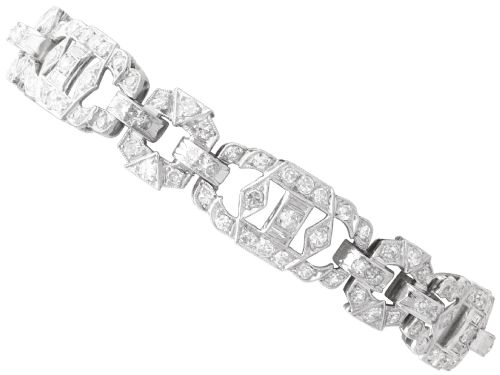
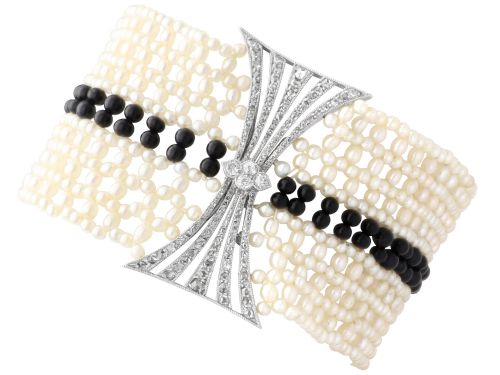
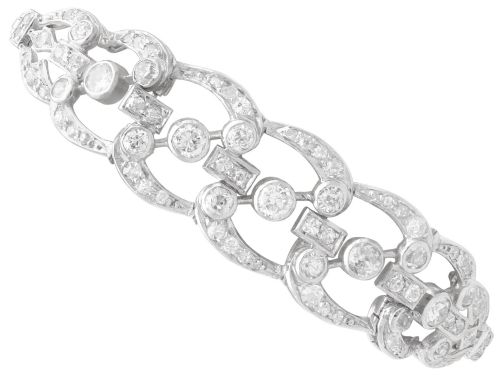
A geometric platinum bracelet showcases the sharp angles and symmetrical layouts characteristic of the Art Deco style. These pieces span the decades from the nineteen-tens through the nineteen-fifties, with works from the nineteen-twenties appearing most frequently.
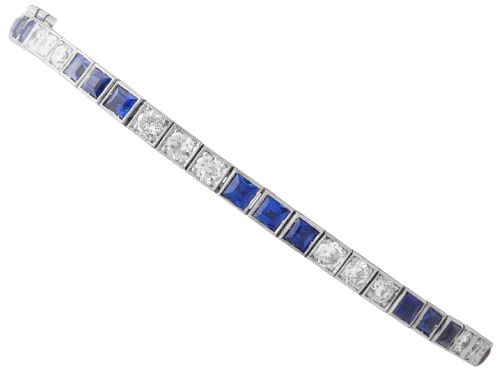
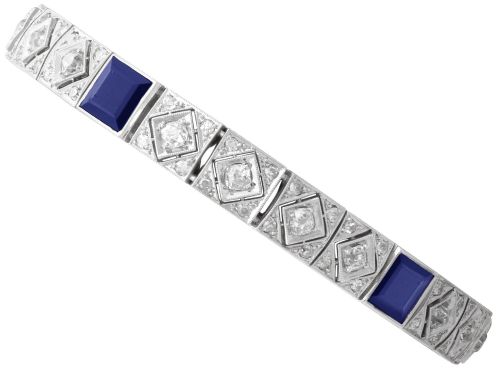
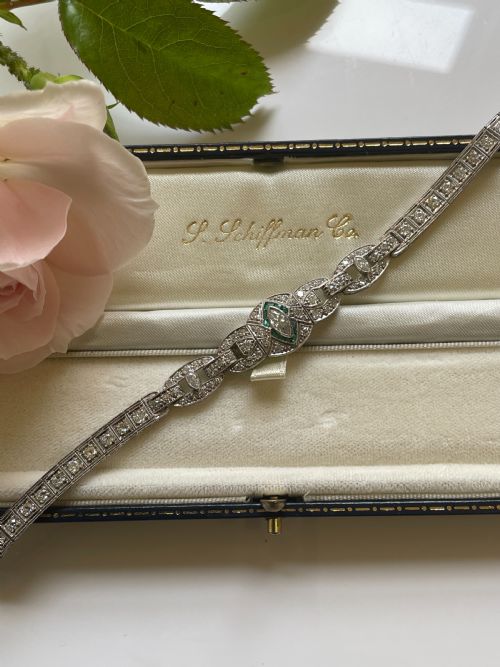
The primary form is a flexible band designed to wrap the wrist, often set with diamonds alongside occasional sapphires or emeralds. Platinum serves as the foundational metal, occasionally paired with yellow gold or white gold depending on the specific piece.
Materials and construction methods
Makers utilised platinum to build strong, lightweight settings capable of holding numerous stones securely without heavy metal bulk. This dense metal allowed for delicate wirework and knife-edge structures that emphasised the geometry of the design.
Diamonds cut in old styles were set meticulously alongside calibré-cut sapphires and emeralds to create sharp colour contrasts. Goldsmiths integrated yellow gold and white gold in select examples to add warmth or tonal variation beneath the gemstone layouts.
Some bracelets pack over fourteen carats of diamonds into a band barely wider than a ribbon.
Distinctions in quality and execution
The sophistication of the stone arrangement largely dictates the standing of a geometric platinum bracelet within its period. Pieces featuring high total diamond carat weights alongside substantial sapphire or emerald accents demonstrate greater material investment.
The precision of the metal articulation and the uniformity of the stone cuts separate standard workshops from exceptional ateliers. French manufacture often indicates a higher level of artisanal refinement in the overall construction.
The Geometric Platinum Bracelet Glossary
- Art Deco
- A design movement prevalent in the nineteen-twenties and nineteen-thirties characterised by streamlined geometric forms and symmetry. It heavily influences the aesthetic of these platinum bracelets.
- Calibré-cut
- Small gemstones cut specifically to fit tightly into geometric channels without visible gaps. This technique creates continuous lines of colour in sapphire and emerald accents.
- Old cut
- A diamond cutting style used before modern brilliant facets were standardised, featuring high crowns and small tables. These stones catch candlelight with a softer, broader flash than modern stones.
- Platinum
- A dense, durable white metal prized in jewellery for its strength and resistance to tarnish. It provides secure settings for intricate gemstone arrangements.
Geometric Platinum Bracelet: Frequently Asked Questions
What periods do these bracelets come from?
The pieces span several decades, originating primarily from the nineteen-tens, nineteen-twenties, nineteen-thirties, and nineteen-fifties. The nineteen-twenties examples strongly reflect the height of the Art Deco movement.
Each period brings slight shifts in how the geometric layouts and gemstone combinations are expressed across the platinum band.
How do I care for a platinum bracelet?
Platinum is a remarkably durable metal that resists daily wear, but the delicate stone settings require gentle handling. Professional cleaning helps maintain the brightness of the diamonds and coloured stones.
Store the piece flat in a lined box to prevent the flexible links from twisting or catching on other items.
Are coloured stones common in these designs?
Diamonds form the core of nearly every piece, but sapphires and emeralds appear frequently as accent stones. These coloured gems provide striking contrast against the bright platinum metalwork.
Their inclusion usually follows strict geometric patterns that align with the overarching Art Deco aesthetic.
How do French pieces differ?
French examples often display particularly refined metalwork and precise stone placement that reflect advanced domestic atelier traditions. These bracelets frequently carry hallmarks specific to French precious metal standards of the era.
Such details add a layer of historical context to the construction of the bracelet.