



Geometric Oak Side Table
A geometric oak side table brings structured pattern and sturdy timber into a room, offering both a surface for lamps and a distinct focal point.
Geometric Oak Side Table
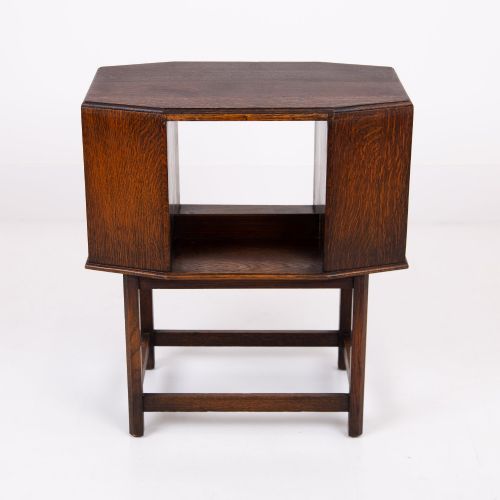
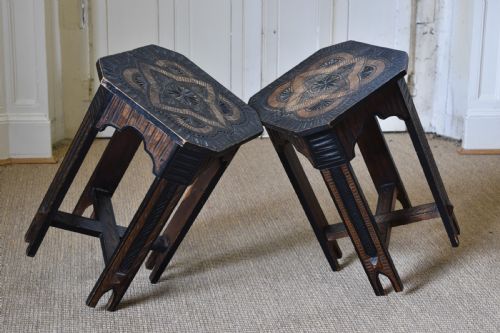
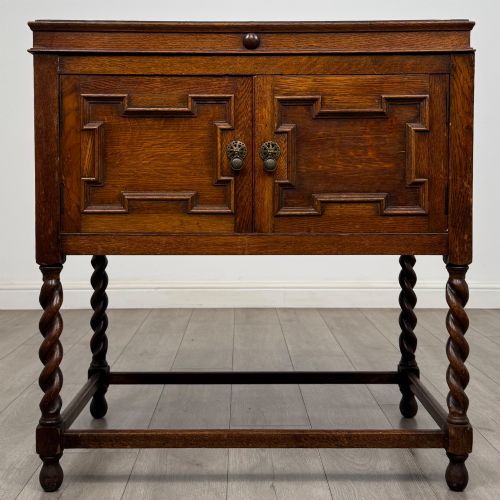
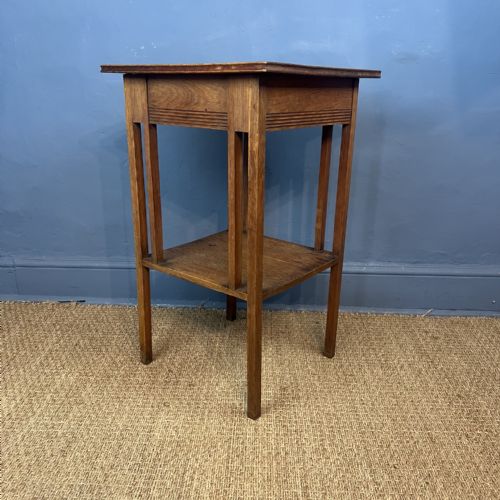
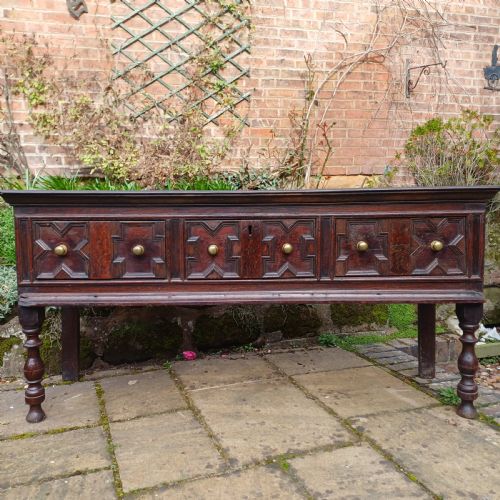
A geometric oak side table brings together functional surface space and decorative surface geometry, appearing in forms ranging from compact lamp tables to low coffee tables and occasional pieces. The selection spans several centuries, drawing heavily upon seventeenth-century traditions as well as twentieth-century revivals.
Buyers frequently encounter examples from the 1930s exhibiting Art Deco influences alongside period pieces from the seventeenth and nineteenth centuries. These tables often double as small cabinets, servers, or occasional stands depending on their primary proportions.
How they were made
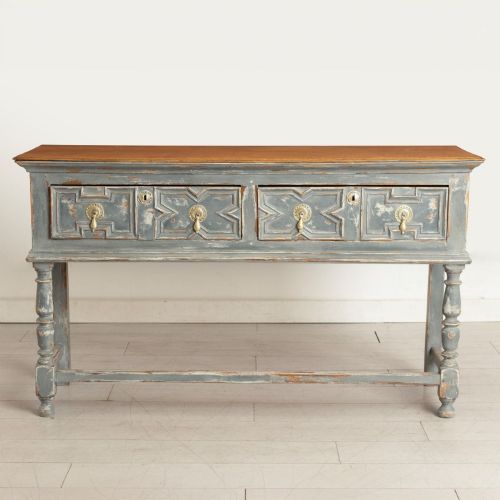
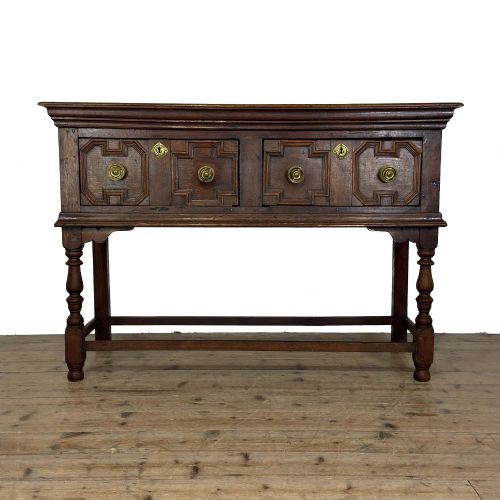
Construction relies primarily on oak, paired occasionally with contrasting veneers, brass hardware, and painted finishes to accentuate the grain and structural lines. Makers employed traditional joinery alongside applied mouldings and parquetry work to create the characteristic geometric patterns across tabletops and drawer fronts.
Surfaces receive various treatments, ranging from dark polish to stained wood and painted details, highlighting the natural texture of the timber.
Some seventeenth-century servers double as low dressers, proving that ancestors also needed a handy spot to drop their keys.
What varies in quality
Quality rests upon the precision of the geometric decoration and the integrity of the timber construction, where tight joints and well-executed mouldings distinguish finer examples. The crispness of parquetry work and the careful selection of oak grain dictate the visual impact of each piece.
Simpler production tables rely on basic structural framing, whereas superior specimens demonstrate meticulous attention to surface detail, hardware integration, and overall proportion.
The Geometric Oak Side Table Glossary
- Parquetry
- Geometric mosaic woodwork used for decorative floors and tabletops. It involves small blocks of timber arranged in repeating patterns.
- Dresser base
- A low utilitarian table or cabinet featuring drawers and sometimes a lower shelf. These pieces originate from seventeenth-century domestic interiors.
- Jacobean
- A style of British furniture dating from the early seventeenth century characterised by solid proportions and geometric ornamentation. Later revivals borrow these same motifs.
- Occasional table
- A small, movable table designed for specific, temporary uses within a room. They appear in various heights and surface configurations.
Geometric Oak Side Table: Frequently Asked Questions
Where should I place a side table?
These tables sit comfortably beside seating arrangements or along hallways where surface space is required without obstructing movement.
Their compact proportions allow them to function as lamp stands, coffee tables, or small display units.
How do I care for oak furniture?
Routine dusting with a soft cloth maintains the finish of the timber without introducing moisture.
Avoiding direct sunlight and excessive heat protects the wood and any applied veneers from drying out over time.
What defines seventeenth-century style?
Seventeenth-century pieces typically feature heavy timber construction, dark finishes, and panelled or moulded decoration.
Applied geometric fronts provide texture and visual complexity to doors and drawer faces.
How do Art Deco tables differ?
Art Deco examples from the twentieth century favour streamlined silhouettes and blonde or contrasting oak tones.
They often incorporate geometric storage solutions and modern modernist lines while retaining the core timber material.