


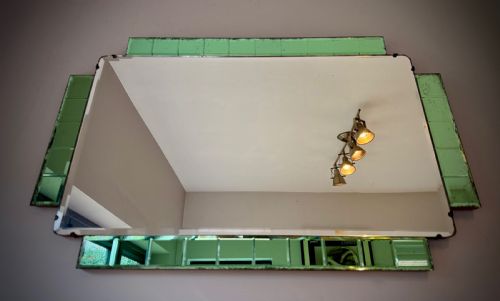


Geometric Mirror
A geometric mirror brings strong angles and striking symmetry into a room, offering functional reflection combined with bold period design.
Geometric Mirror
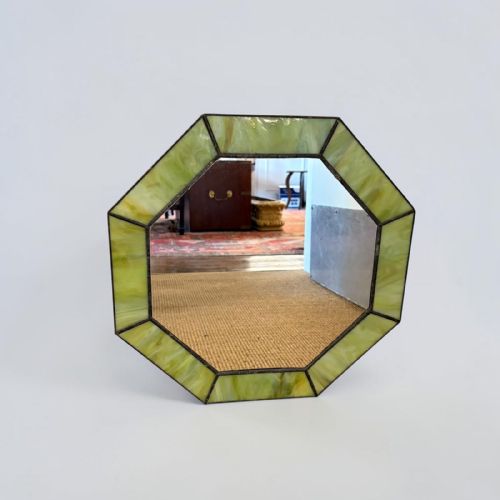
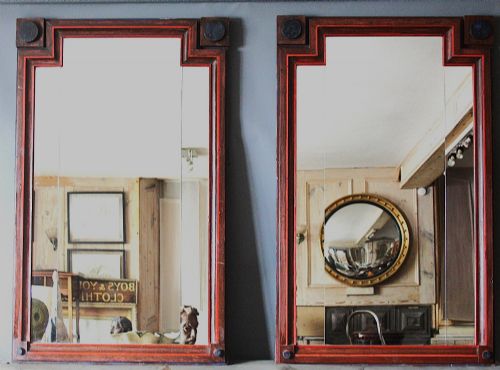
When you search for a geometric mirror, you enter a category defined by clean lines, distinct shapes, and architectural framing. These pieces range from compact octagonal wall hangings to large diamond arrangements designed to command a wall.
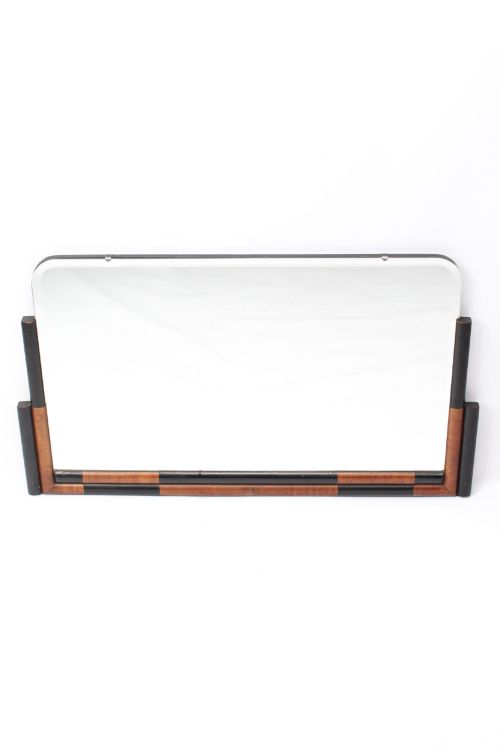
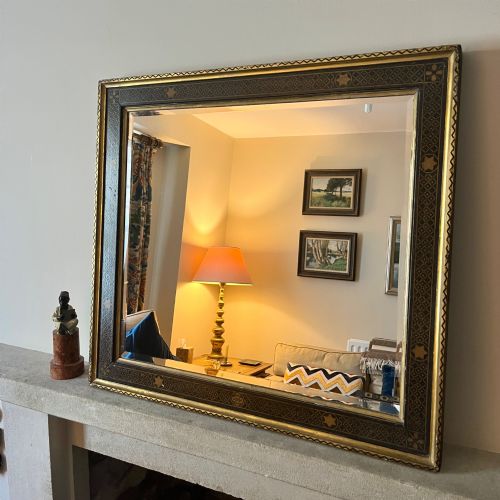
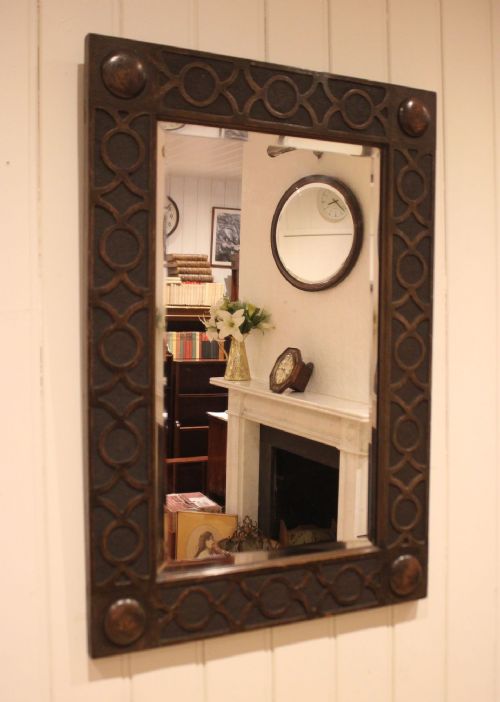
The version you are most likely to meet on this page originates primarily from the Art Deco era, spanning the 1920s and 1930s. Alongside these, earlier Victorian and Edwardian examples appear, bringing carved oak or ebonised surrounds to the aesthetic.
Makers utilised distinct configurations, including frameless panels with bevelled edges, multi-section glass layouts, and contrasting borders in walnut, brass, or chrome. Their utility spans hallways, living rooms, and dressing spaces, functioning equally as optical tools and wall sculptures.
Materials and Construction
Makers combined mirror glass with sturdy structural timbers such as oak and walnut, often employing ebonisation to create sharp visual contrasts. Metal components in brass and chrome frequently provide the structural mounts and decorative accents typical of twentieth-century design.
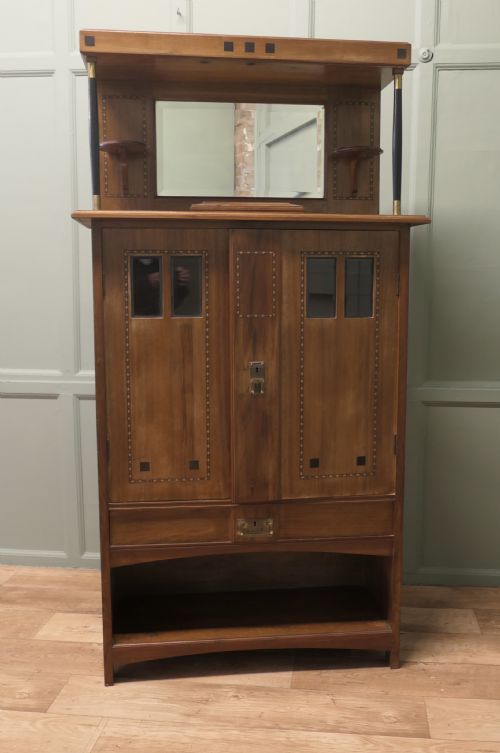
Glass cutting and bevelling required precise handcrafting to achieve the acute angles demanded by the style. Woodwork involved careful jointing, inlay, and carving, seen in pieces that integrate geometric mirror plates directly into heavy timber frames or sideboards.
Geometric Mirror Retail Price Guide 2026
Typical asking prices for geometric mirror among the pieces listed under this phrase on Sellingantiques today, from the lower quarter to the upper quarter. They describe what is for sale here now, not the wider market.
Listings incorporate items from the 19th Century, Edwardian era, and the 1920s through to the 1950s.
Distinctions in Quality and Execution
The hierarchy of quality rests on the precision of the glass cutting and the complexity of the assembly. Multi-section mirrors with individually bevelled panels meeting at exact angles represent a higher tier of workmanship than simple single-plate alternatives.
Materials also dictate standing, with rich veneers like walnut and robust metals such as heavy brass outperforming simpler stained woods. The integrity of the original backing boards and the crispness of any applied surface decoration further separate standard domestic production from finer examples.
The Geometric Mirror Glossary
- Bevelled edge
- An angled edge ground along the perimeter of the glass plate. This technique catches and refracts light differently across the surface.
- Ebonised
- Timber treated with a finish to imitate ebony. This process deepens the wood to a dark, matte or polished black.
- Art Deco
- A design movement prominent in the 1920s and 1930s. It prioritises modernism, symmetry, and stylised geometric forms.
- Secessionist
- An artistic style associated with the early twentieth century. It rejected historicism in favour of clean, functional lines and geometric austerity.
- Octagonal
- An eight-sided geometric polygon. This shape appears frequently in the framing and glass geometry of the period.
Geometric Mirror: Frequently Asked Questions
How do I hang a heavy geometric mirror?
These pieces often carry significant weight due to thick timber frames and multiple glass plates. Secure them using appropriate wall anchors matched to the structure of your wall.
Verify that the hanging wire or integrated brackets on the reverse are stable before mounting.
Are these mirrors original to the 1920s and 1930s?
The selection includes period pieces dating from the early twentieth century alongside Victorian and Edwardian antecedents. Construction details and backing materials help confirm the age of each item.
Examine the silvering on the glass and the screws or fixings for signs of period manufacturing methods.
How do I clean a bevelled mirror?
Use a soft microfiber cloth and a mild glass cleaning solution applied directly to the cloth rather than the glass. This prevents moisture from seeping behind the bevelled edges and damaging the silver backing.
Take care around wooden or metal frames to avoid chemical contact with the surrounding materials.
What rooms suit a geometric mirror best?
Their architectural lines make them natural focal points above mantelpieces, in hallways, or as vanity additions in bedrooms. They bounce light effectively while introducing strong visual structure to neutral walls.
Pair them with complementary period furniture or use them to contrast against softer modern interiors.