

Geometric Lamps
Geometric lamps combine clean lines and structured forms, offering architectural light fixtures that suit period and modern interiors alike.
Geometric Lamps
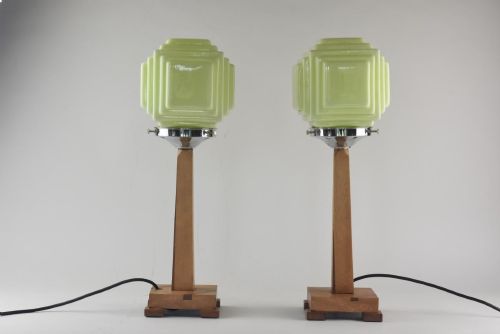
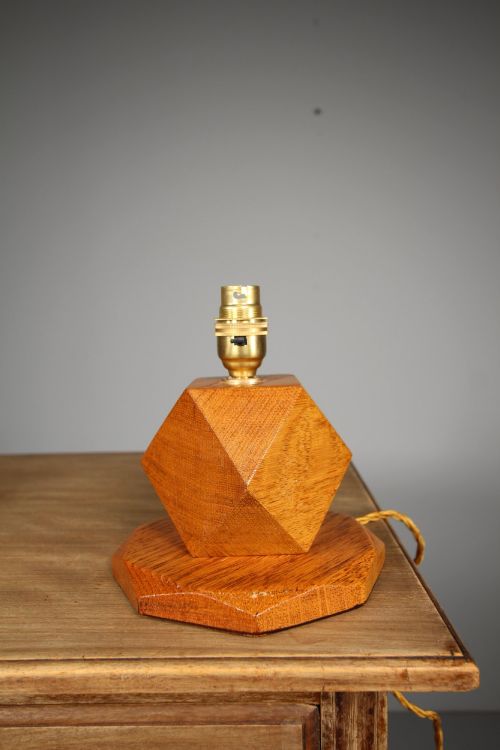
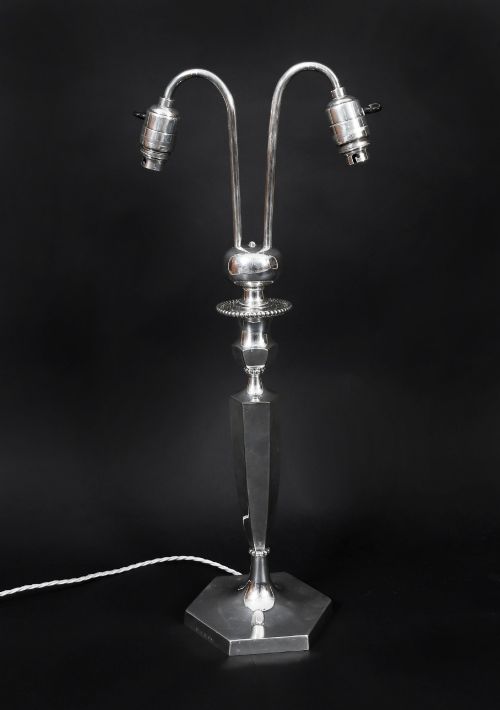
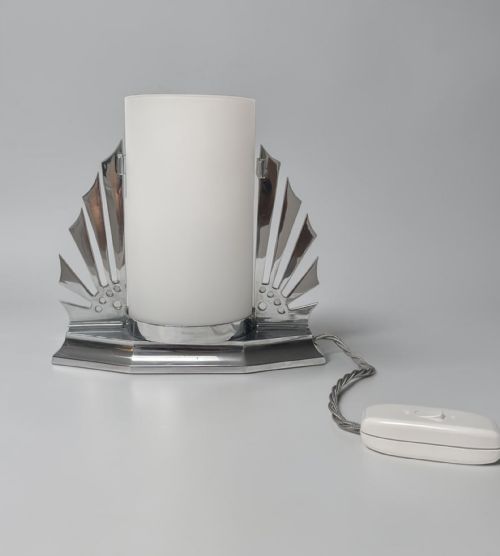
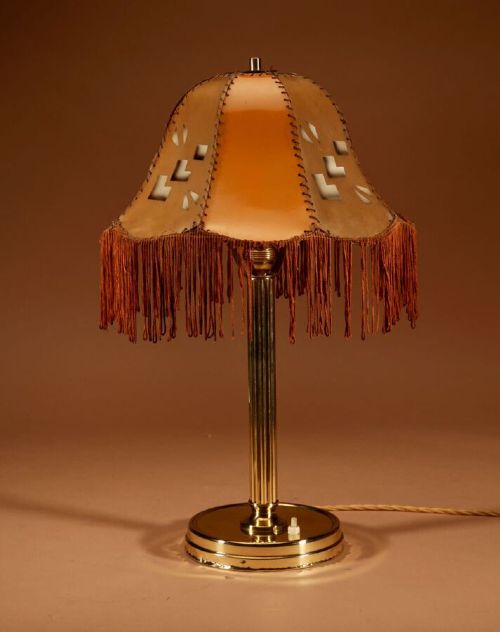
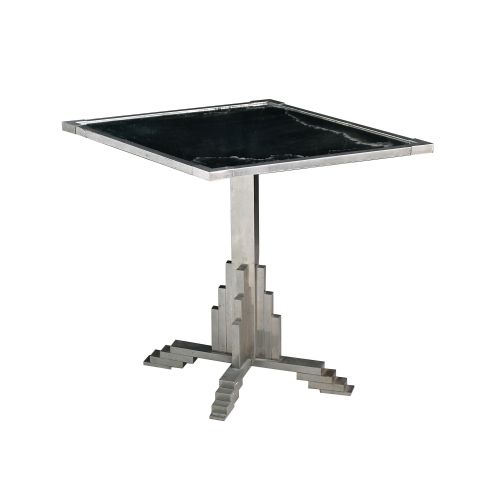
When searching for geometric lamps, collectors encounter lighting fixtures and associated support tables defined by straight angles, linear metalwork, and structured glass shades. These pieces predominantly emerge from the Art Deco period, alongside examples spanning the nineteenth century, nineteen-ten, and nineteen-forty, reflecting a sustained shift towards architectural silhouettes.
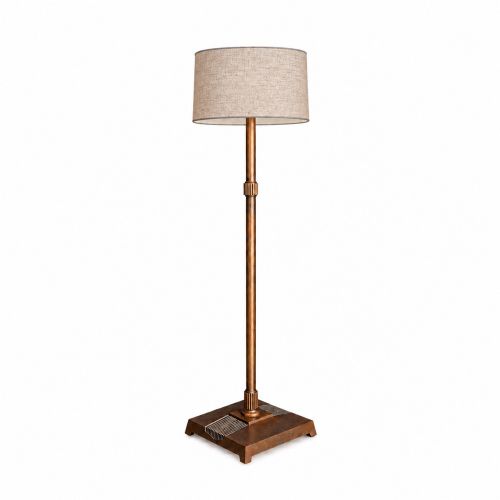
Beyond standard table lamps, the category includes specialised lighting such as hanging lanterns, plafonniers, and skyscraper glass wall lights. These objects range from heavy cast brass desk lamps to slender standard lamps designed to cast directed illumination across a room.
Materials and construction methods
Makers utilised rigid metallic frames formed from brass, copper, nickel, and chrome to construct the structural supports for these lamps. These metals were frequently patinated, silver-plated, or hand-chased to achieve varied surface textures that complemented the geometric profiles of the shades and bases.
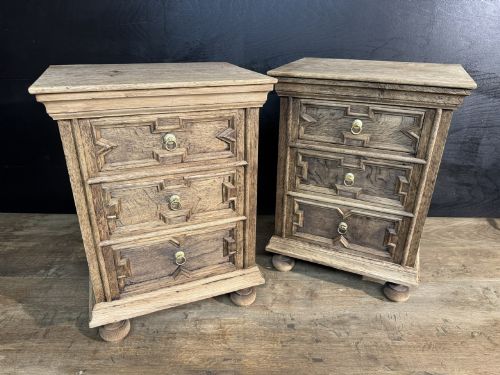
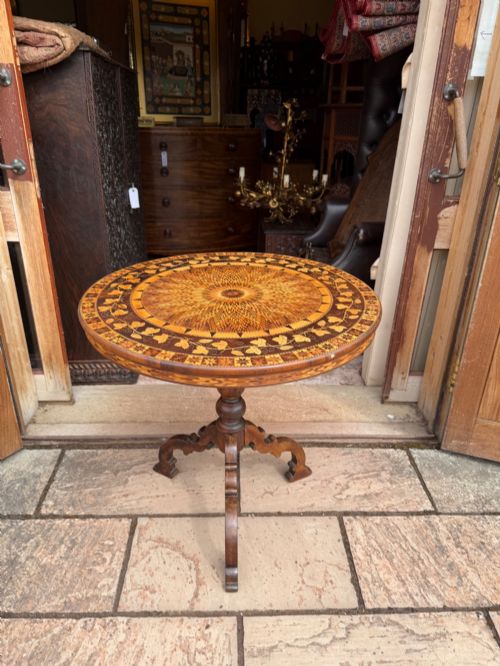
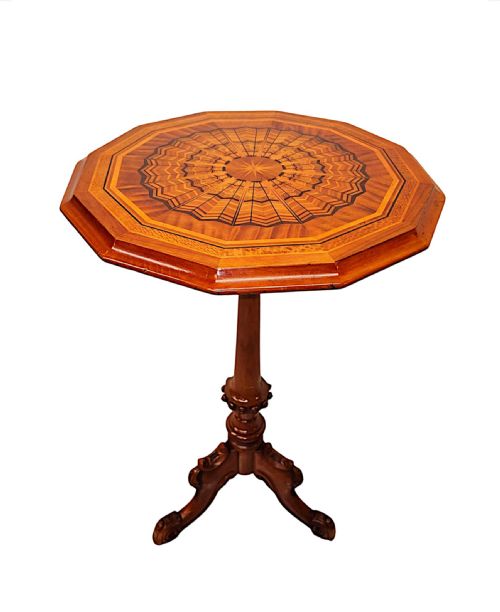
Glass components, including frosted and moulded shades, were paired directly with metal bases or suspended as pendants and wall fixtures. Wooden elements such as oak, walnut, satinwood, and ebonised timber provided solid and veneered foundations for associated occasional and lamp tables.
Geometric Lamps Retail Price Guide 2026
Typical asking prices for geometric lamps among the pieces listed under this phrase on Sellingantiques today, from the lower quarter to the upper quarter. They describe what is for sale here now, not the wider market.
Design movements represented include Art Deco, Victorian, Arts and Crafts, Amsterdam School, and Secessionist styles.
Distinctions in quality and execution
Quality in these lighting fixtures rests on the precision of the metalwork joints, the weight of the cast bases, and the integrity of the original glass shades. Pieces retaining their original patination, maker-attributed components, and uncompromised structural alignment sit at the upper end of the scale.
Secondary examples often show simplified construction or replaced electrical fittings that lack the integration seen in period-correct pieces. The choice of timber veneers, such as highly figured walnut or marquetry in specialised specimen woods on accompanying lamp tables, further defines the grade of the piece.
Elkington·Émile-Jacques Ruhlmann·Gillows·Eileen Grey·Muller Bros
The Geometric Lamps Glossary
- Art Deco
- A design style spanning the nineteen-twenties and nineteen-thirties characterised by sleek lines, geometric shapes, and modern industrial materials. It moves away from floral ornamentation towards symmetry and abstraction.
- Plafonnier
- A ceiling-mounted light fixture designed to sit flush or close to the ceiling surface. These often feature moulded or frosted glass bowls held by metal mounts.
- Standard lamp
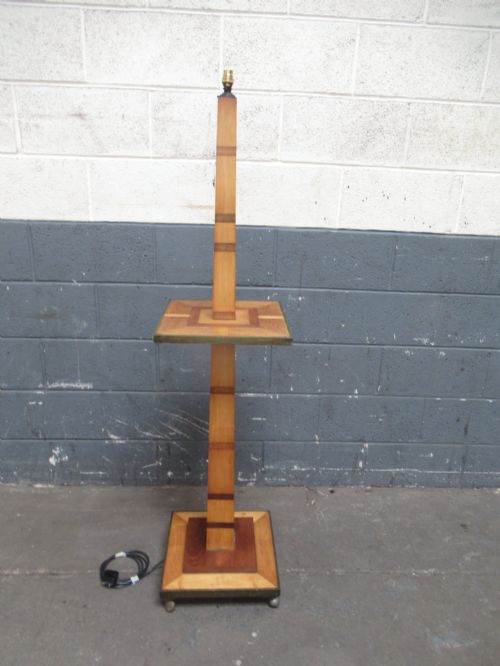
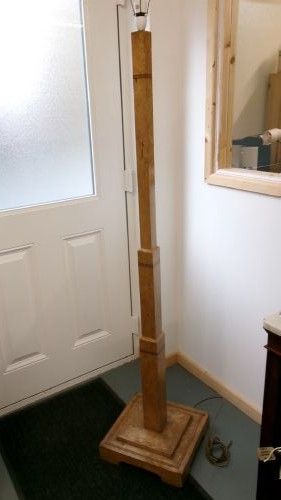
- A tall floor-standing lamp designed to illuminate a room from standing height. These frequently incorporate heavy weighted bases to support extended shafts.
- Marquetry
- The art of applying decorative pieces of veneer to a structure to form geometric or pictorial designs. It appears on table tops associated with lamp displays.
- Secessionist
- An early twentieth-century stylistic movement emphasising geometric abstraction and rejection of traditional academic art. It influenced early metalwork lighting designs.
Geometric Lamps: Frequently Asked Questions
How do I date a geometric lamp?
Dating relies on identifying the underlying style, such as Art Deco or Secessionist, alongside the primary materials used in construction. Examining wiring ports, switch types, and maker marks helps narrow the decade of production.
Many lamps combine periods or utilise updated electrical components while retaining original metal bases and glass shades. Comparing the silhouette against documented lighting designs from the nineteen-twenties and thirties provides a reliable guide.
Where should I place a floor lamp?
Floor lamps suit corners or seating areas where they can provide directed task or ambient illumination without obstructing movement. Tall standard lamps function effectively beside reading chairs or large side tables.
Ensure the heavy metal base sits on a stable surface to support the extended height safely. Positioning the light near period occasional tables enhances both function and visual balance in the room.
Are these lamps safe to use today?
Period lighting often requires rewiring by a qualified professional to meet current electrical standards before daily use. Preserving original sockets and switches is possible while updating internal wiring for safety.
Inspecting the cord grip and stability of the upright shaft ensures the fixture safely supports the weight of glass shades and metal frames. Consult an electrician to check the compatibility of historical brass and chrome fittings.