





Geometric Inlaid Accent Table
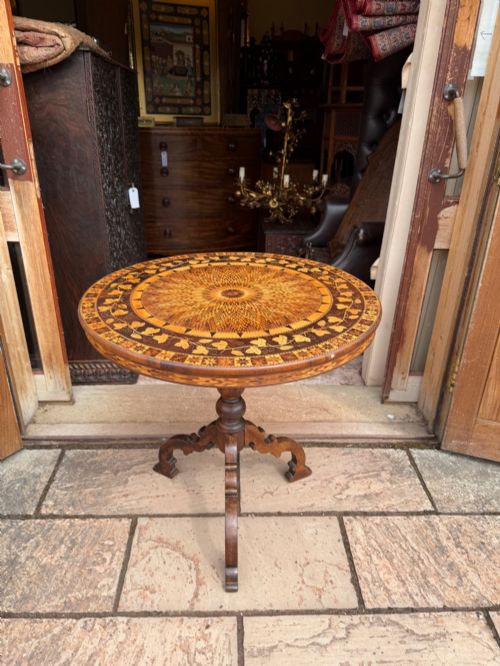
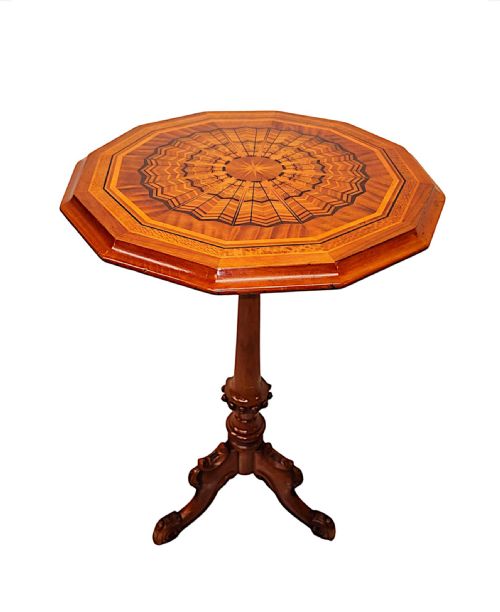
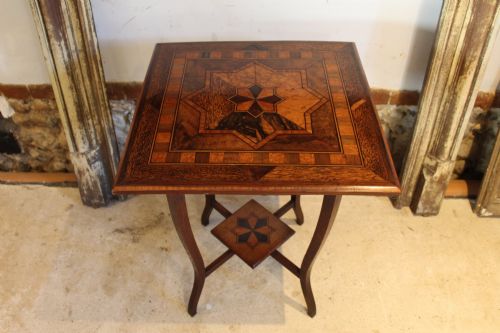
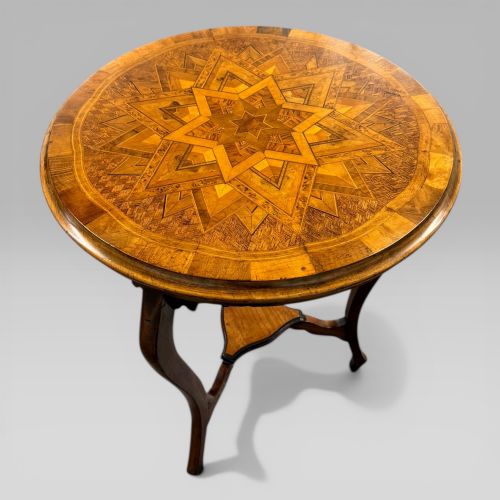
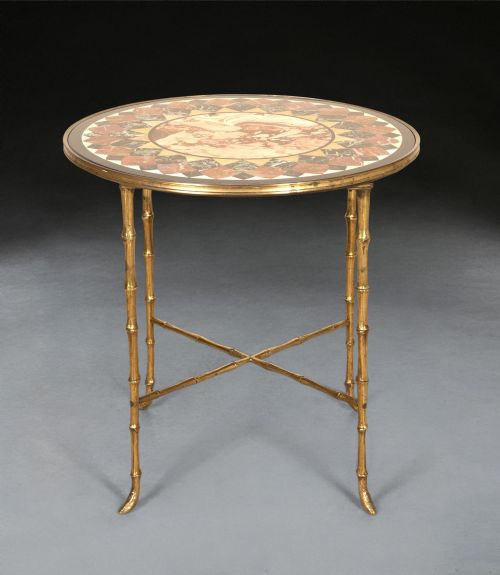
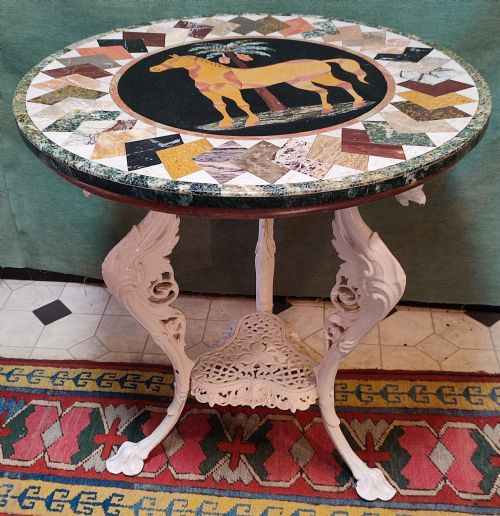
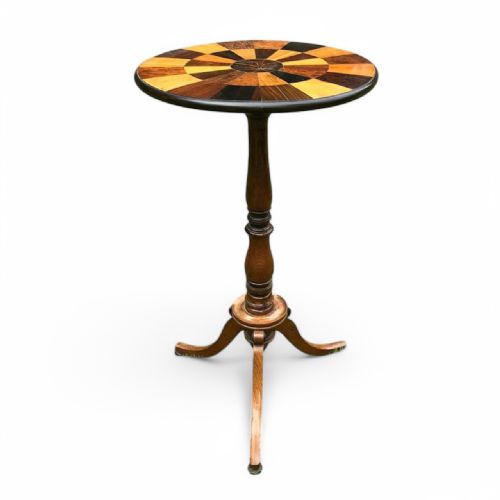
These geometric inlaid accent table pieces bring intricate marquetry and parquetry patterns into your room as functional small furniture.
Geometric Inlaid Accent Table
A geometric inlaid accent table serves as a decorative surface for a hallway, corner, or beside a chair. These pieces take forms such as occasional tables, side tables, hall tables, centre tables, and nests of tables.
The selection spans periods from the late seventeenth century through the Victorian and Edwardian eras up to the early twentieth century. Common styles include Victorian, Moorish Revival, Italian Sorrento, and William and Mary.
Origin points range from British workshops to Italian Sorrento production and colonial New Zealand makers utilising native timbers and specimen woods.
What varies in quality
The precision of the geometric inlay work defines the standard of a piece, with tight joints and clean lines marking superior craftsmanship. The complexity and variety of the wood species or secondary materials chosen for the top also indicate the level of ambition in the workshop.
Structural integrity of the base, whether a turned pedestal, four-legged frame, or cast iron support, balances the visual weight of the decorated top. The preservation of the original surface finish directly affects the visual depth of the woods and inlays.
Several tables swap standard wood for gleaming mother of pearl and bone, proving Victorians loved a bit of architectural bling.
Gillows·Anton Seuffert
The Geometric Inlaid Accent Table Glossary
- Marquetry
- The art of applying pieces of veneer to a structure to form decorative patterns and pictorial designs. This technique allows makers to create complex geometric scenes across table tops.
- Parquetry
- A geometric mosaic of wood pieces used for decorative floors and furniture surfaces. It relies on repeating angular shapes like squares, triangles, and diamonds.
- Specimen wood
- Timber collected for its distinct natural colour, grain, or rarity rather than its structural utility. Makers often assemble multiple varieties together to showcase diverse natural tones.
- Occasional table
- A small, versatile table designed for a specific, intermittent use rather than central daily tasks. They appear in numerous shapes including circular, hexagonal, and square formats.
Geometric Inlaid Accent Table: Frequently Asked Questions
Where should I place an accent table?
These tables suit hallways, landings, or beside seating where a compact surface is useful. Their decorative tops work well in spots with good light to show the wood grain.
Ensure the height matches nearby furniture so the proportions look correct in the room.
How do I clean an inlaid table top?
Dust the surface regularly with a soft, dry cloth to prevent grit from settling into the fine joints of the marquetry. Avoid excessive moisture or chemical polishes that can seep between the veneer pieces.
Apply a traditional paste wax occasionally to nourish the timber and protect the finish.
What is the difference between parquetry and marquetry?
Parquetry forms repeating geometric patterns using angular wood blocks to create symmetrical designs. Marquetry builds up more pictorial or varied compositions using different veneer shapes.
Both techniques appear frequently across nineteenth-century occasional and side tables.
Can I use these tables for daily heavy use?
Most antique accent tables are designed for light placement duties like holding a lamp or a small book. Heavy objects or excessive daily wear can stress older joints and delicate veneer work.
Treat them with care to preserve the original nineteenth or early twentieth-century construction.