


Geometric Gold Cocktail Ring
A geometric gold cocktail ring brings together sharp angular lines and precious stones from the early decades of the twentieth century.
Geometric Gold Cocktail Ring
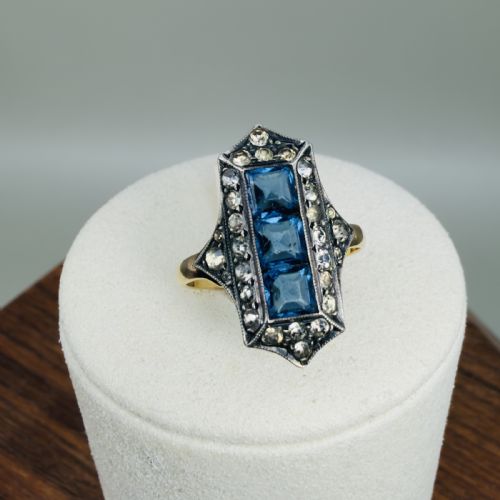
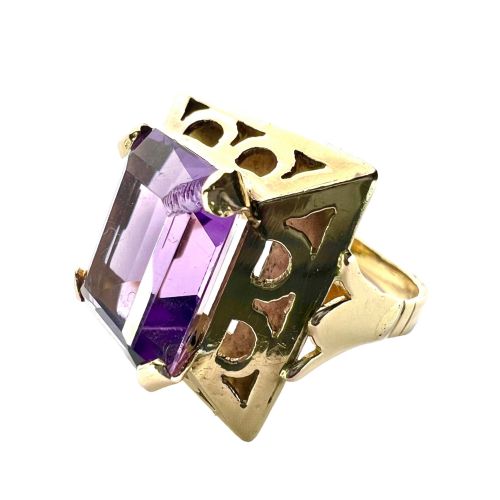
A geometric gold cocktail ring presents striking symmetrical arrangements designed to catch the eye during evening social gatherings. These pieces draw heavily on the aesthetics of the Art Deco period, showcasing clean lines, stepped motifs, and structured cluster configurations.
Makers frequently combined yellow or white gold with platinum settings to enhance the brilliance of central diamonds and coloured gems. Alongside fine diamonds, these dress rings incorporate striking sapphires, rubies, opals, and emeralds arranged in precise patterns.
How they were made
Goldsmiths utilised 18ct gold and platinum to construct robust mountings capable of supporting intricate stone arrangements. Platinum frequently formed the upper face of the ring to securely hold small pavé or calibre cut stones against strong metal claws.
Gemstones underwent specific cutting techniques to fit rigid geometric parameters, including old cut diamonds and channel-set calibre sapphires. Jewelers arranged contrasting stones like onyx alongside diamonds to create sharp black-and-white visual borders.
The selection spans several decades, with items originating from the Edwardian era through the 1920s, 1930s, 1940s, 1950s, and 1960s.
What varies in quality
The calibre of workmanship shows in the precision of the stone setting and the crispness of the geometric angles. Superior examples maintain perfectly aligned shoulders and secure flush mountings that prevent movement within the intricate metalwork.
Stone selection dictates the upper tier of these dress rings, distinguishing standard commercial stones from matched sets of natural sapphires, rubies, and clean old cut diamonds. The integration of platinum with gold adds structural integrity and material prestige to the finished jewel.
The Geometric Gold Cocktail Ring Glossary
- Art Deco
- A design style spanning the 1920s and 1930s characterised by symmetry, geometric shapes, and stylised motifs. This movement heavily influenced the architecture of these cocktail rings.
- Calibre cut
- Gemstones specifically shaped and cut to fit tightly together in a geometric pattern without visible metal separating them. This technique creates continuous bands of colour in border designs.
- Target ring
- A circular cluster ring featuring concentric rings of contrasting gemstones around a central stone. This specific layout creates a distinct bullseye visual effect.
- Old cut
- A diamond facet arrangement typical of the late nineteenth and early twentieth centuries featuring a high crown and small table. These stones produce a softer candlelight sparkle compared to modern brilliant cuts.
- Plaque ring
- A flat, expansive dress ring surface decorated with pierced metalwork and pave-set stones. These wider faces display intricate geometric patterns across the finger.
Geometric Gold Cocktail Ring: Frequently Asked Questions
How do I wear a cocktail ring?
These prominent dress rings suit evening occasions or formal gatherings where their substantial geometric designs can take centre stage. Most collectors wear them on the middle or ring finger to balance the wide plaque or cluster top.
Because these pieces feature elevated settings and delicate calibre-cut stones, many owners reserve them for lighter daily wear or special events to protect the antique metalwork.
How do I date a geometric ring?
Dating relies on examining the combination of precious metals, stone cuts, and overall geometric motifs present in the mount. Pieces from the 1920s and 1930s typically combine platinum tops with 18ct gold shanks and utilise old cut diamonds.
Later mid-century examples often introduce heavier yellow gold settings and different prong configurations while maintaining the earlier geometric aesthetic.
What makes these rings distinct?
The distinct character of these rings stems from their celebration of industrial symmetry, clean architectural lines, and bold colour contrasts. Unlike softer floral Victorian jewellery, these pieces favour rigid squares, rectangles, and target circles.
The juxtaposition of bright white diamonds against dark sapphires, rubies, or onyx creates a graphic visual impact unique to the period.