

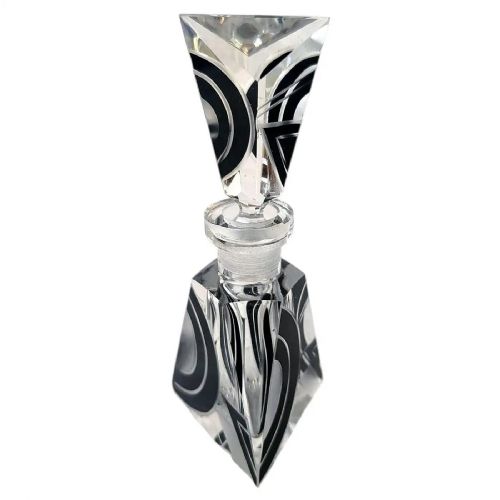


Geometric Dressing Table
A geometric dressing table brings clean lines and architectural form to a bedroom, offering a functional surface rooted in period design.
Geometric Dressing Table
A geometric dressing table centres on linear forms and structured patterns, often emerging from periods such as the 1930s or earlier revival movements. Buyers searching for a geometric dressing table typically encounter pieces constructed from walnut or birdseye maple, featuring balanced proportions and integrated storage.
The selection includes examples from the Art Deco era alongside occasional pieces incorporating hand-painted motifs on wood. These tables pair with matching stools or mirrors to form a complete dressing arrangement.
How they were made
Construction relies on cabinetmaking techniques using timbers like walnut and oak, combined with applied veneers to create figured grain patterns. Glass, enamel, and chrome elements appear as supporting details or matching accessories.
Surfaces frequently showcase precision cutting, painted decoration, or polished wood finishes that accentuate the linear geometry of the structure.
Geometric Dressing Table Retail Price Guide 2026
Typical asking prices for geometric dressing table among the pieces listed under this phrase on Sellingantiques today, from the lower quarter to the upper quarter. They describe what is for sale here now, not the wider market.
Listings combine 1930s Art Deco dressing tables with earlier Georgian and 1870s work tables featuring hand-painted geometric decoration.
What varies in quality
Quality rests in the precision of the veneer work, the integrity of the timber joints, and the sharpness of any cut glass or enamel components. Finer examples maintain crisp angles and balanced proportions across the entire piece, including associated stools or mirrors.
The choice of materials, from select birdseye maple to standard hardwoods, dictates the visual depth and tactile presence of the finished table.
Karl Palda·Hille·Hermanova·A.W. Taylor and Sons
The Geometric Dressing Table Glossary
- Art Deco
- A design style dominant in the 1920s and 1930s characterised by sleek lines, geometric shapes, and modern materials. It heavily influences the profile of these tables.
- Birdseye maple
- A figured timber showing small, circular eye patterns in the grain. It provides a distinctive decorative surface on period furniture.
- Atomiser
- A spray bottle mechanism fitted to glass vessels for dispersing perfume. These frequently accompany dressing table sets.
- Veneer
- A thin layer of choice wood applied to a base timber to create decorative patterns. It allows makers to display striking grain alignments.
Geometric Dressing Table: Frequently Asked Questions
How do I style a geometric dressing table?
Pair the table with a simple stool and minimal accessories to maintain the clean architectural lines of the period.
Allow the natural wood grain or glass details to remain visible without overcrowding the surface.
What periods do these dressing tables come from?
The pieces span the 1920s and 1930s Art Deco movement, alongside earlier Georgian and 1870s examples.
Each period brings distinct construction methods and decorative vocabularies to the form.
Are matching stools usually included?
Some tables are accompanied by fitted piano or dressing stools featuring matching wood and storage compartments.
These pieces complete the suite and maintain the cohesive design language of the set.
What materials should I expect to find?
Construction primarily utilises wood such as walnut, oak, and birdseye maple, often complemented by glass, chrome, and enamel.
Surface decoration ranges from natural wood figures to hand-painted geometric motifs.