




Gentlemans Linen Press
A gentlemans linen press provides substantial storage for formal attire, combining hanging space with deep internal shelving.
Gentlemans Linen Press
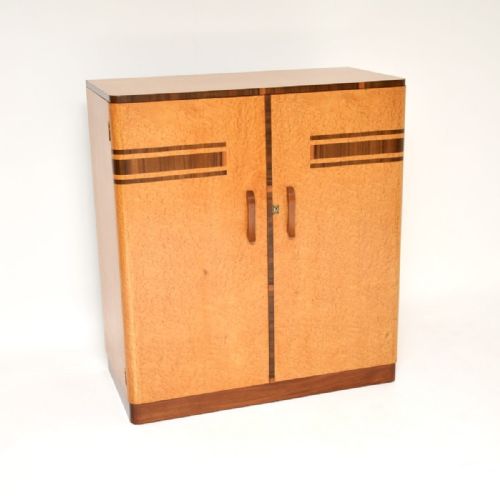
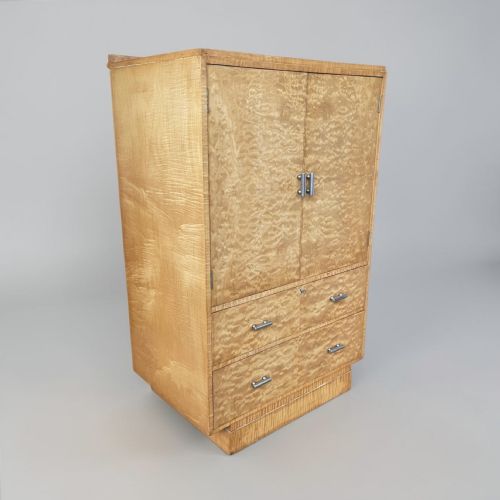
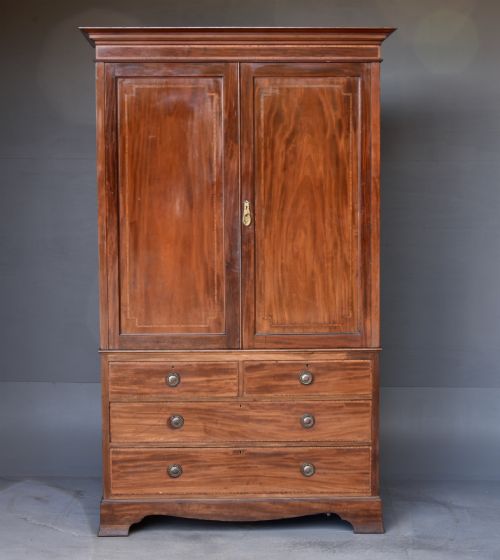
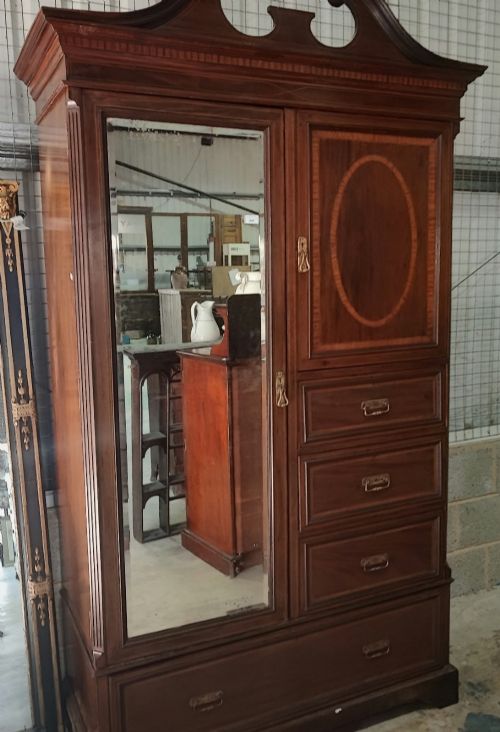
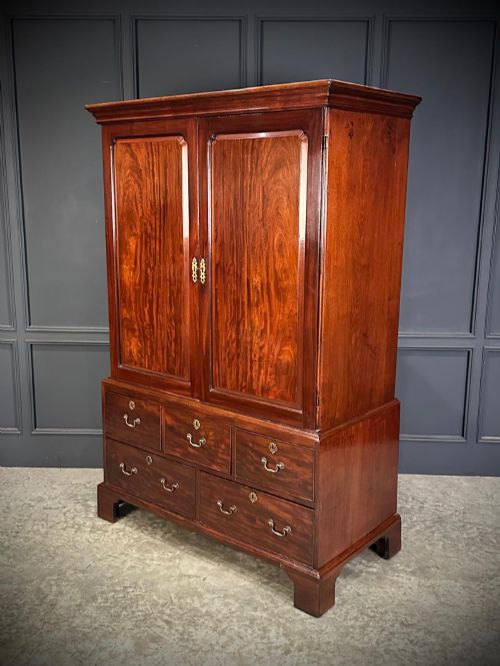
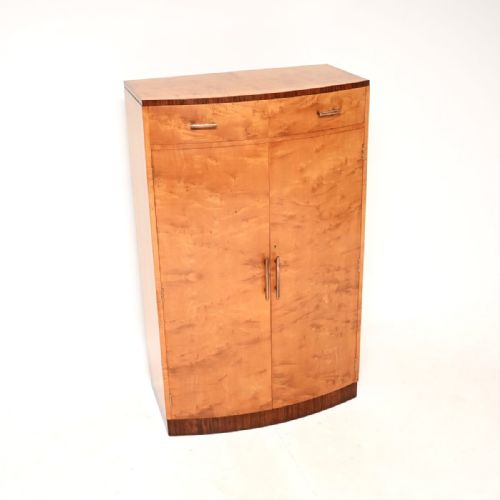
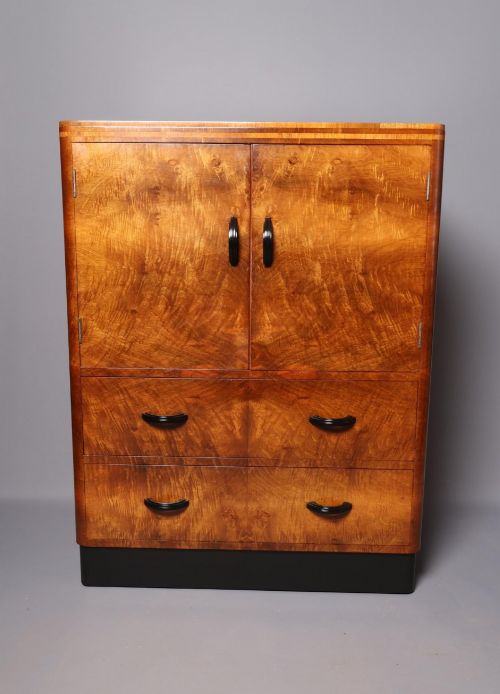
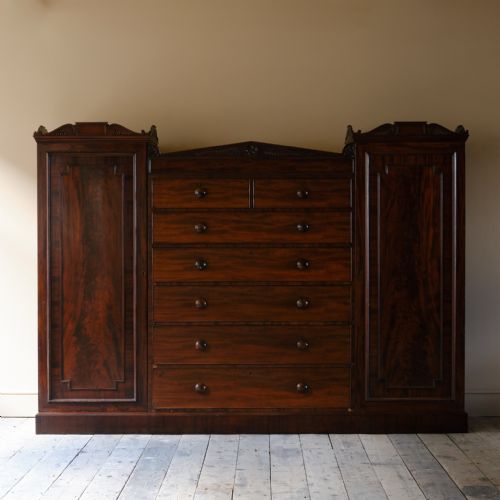
A gentlemans linen press combines a tall upper cupboard with lower drawers, designed specifically for organising folded garments and pressed shirts. You will encounter versions spanning the eighteenth century through to the art deco period, each reflecting the domestic requirements of its era.
Mahogany and oak dominate the construction, often enhanced by satinwood banding or flame mahogany veneer. These pieces function as architectural focal points in a bedroom while offering immense practical utility.
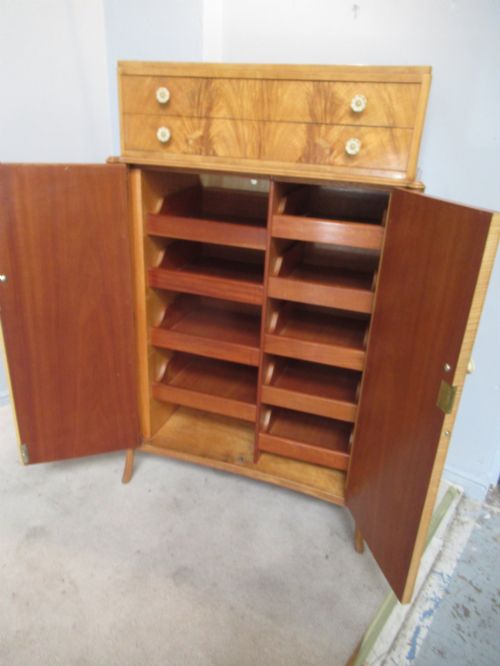
The layout typically pairs sliding trays or shelves behind panelled doors with a chest base. Such configurations evolved to accommodate changing fashions in menswear over successive centuries.
What varies in quality
The choice of timber grain dictates much of the visual merit, with master workshops selecting symmetrical flame veneers and unblemished solid cuts. Secondary woods used for drawer linings and internal divisions reveal the underlying standard of construction.
Proportion and architectural detailing distinguish exceptional examples from standard utilitarian furniture. Fine execution appears in the crispness of inlay work, the tight fit of dovetail joints, and the substance of original brass fittings.
Some Edwardian wardrobes discreetly incorporate lead-light glass panels, letting you admire your linen collection before opening the door.
maples & co·Edwards and Roberts·Gillows·Heal's·Robert Strahan·Whytock & Reid
The Gentlemans Linen Press Glossary
- Compactum
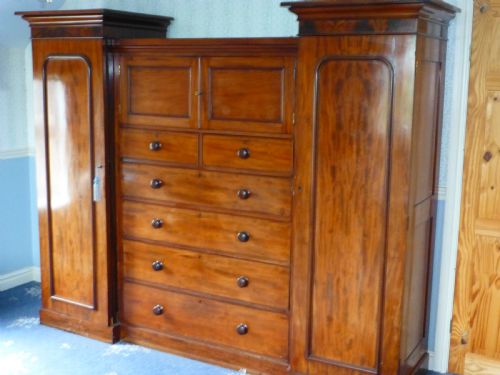
- A multi-functional wardrobe combining hanging space, drawers, and shelving within a single unified piece. This design maximised bedroom storage efficiency.
- Flame Mahogany Veneer
- A highly figured wood veneer cut from the branch junction of the mahogany tree, creating a distinctive flickering flame pattern. Cabinet makers reserved this material for prominent exterior panels.
- Breakfront
- A piece of furniture featuring a central section that projects forward from the flanking wings. This configuration breaks the linear monotony of large wardrobes.
- Satinwood
- A pale, lustrous hardwood utilised for contrasting banding and string inlay on darker cabinet furniture. It brings a bright reflective quality to eighteenth and nineteenth-century designs.
- Lead Light
- Glazed panels held together by lead caming, often seen in the doors of early twentieth-century wardrobes. This technique introduces decorative geometric patterns to glass fronts.
Gentlemans Linen Press: Frequently Asked Questions
How do I date a linen press?
Dating relies on examining timber choices, construction techniques, and stylistic ornament. Georgian examples often display cockbeaded drawer edges and bracket feet, while Victorian versions favour heavy mouldings and deep pollard oak or mahogany.
Later pieces from the art deco period introduce straight-grained walnut, bird's-eye maple, and streamlined geometric forms without historical revival ornament.
How do I use a linen press today?
The interior sliding trays provide ideal storage for folded knitwear, t-shirts, and linens in a modern bedroom. The lower chest section accommodates bulkier items or accessories.
Placing the piece against a substantial wall allows its architectural proportions to anchor the room while offering immense concealed storage capacity.
What is the difference between a wardrobe and a press?
A traditional wardrobe focuses primarily on vertical hanging space behind full-length doors. A linen press incorporates internal sliding trays or shelves behind its upper doors, originally intended for folded linen.
Many antique examples combine both functions, offering hanging sections alongside the traditional shelf arrangement.