

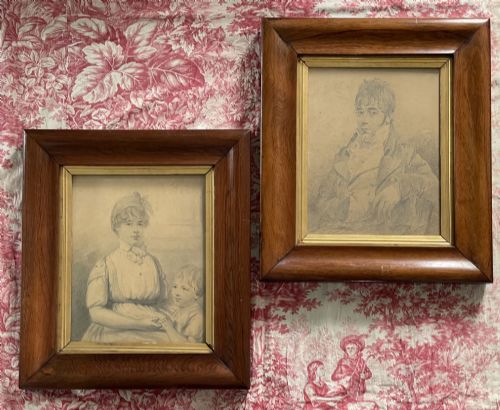
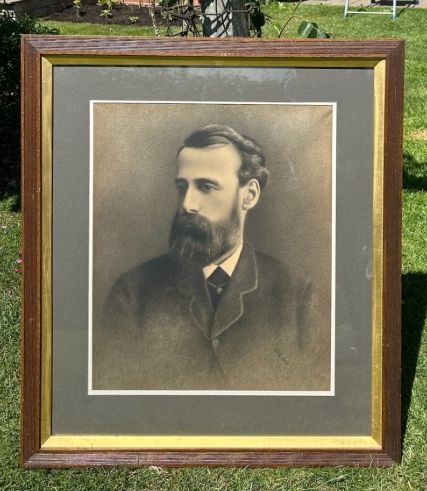


Gentleman Portrait Drawing
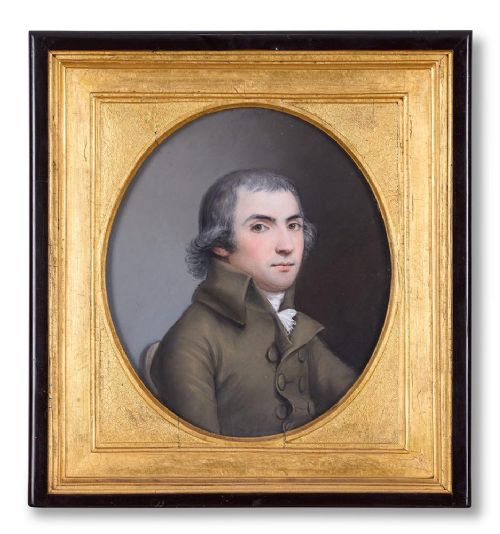
A gentleman portrait drawing captures the likeness of a man through sensitive hand-drawn lines on paper, offering an intimate glimpse into past lives.
Gentleman Portrait Drawing
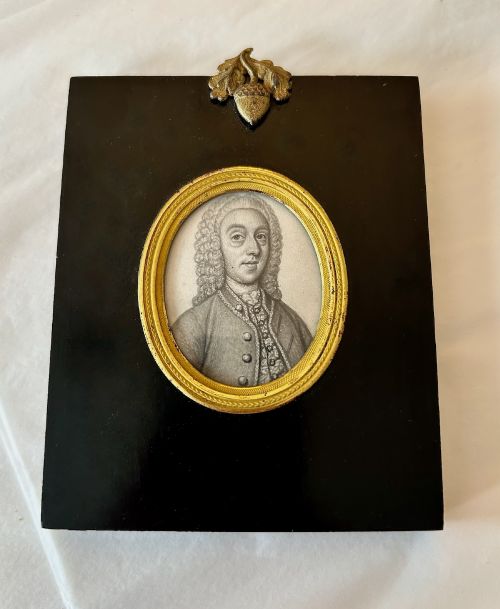
A gentleman portrait drawing encompasses original artworks executed on paper, spanning periods from the eighteenth century through the mid-twentieth century. These pieces record male sitters ranging from military officers and nobility to literary figures, captured in framed wall art or portrait miniatures.
The version most frequently encountered on this page is the nineteenth-century graphite or charcoal sketch, often housed within wood and gesso frames under glass. Buyers will also find earlier Georgian and Regency examples alongside twentieth-century works.
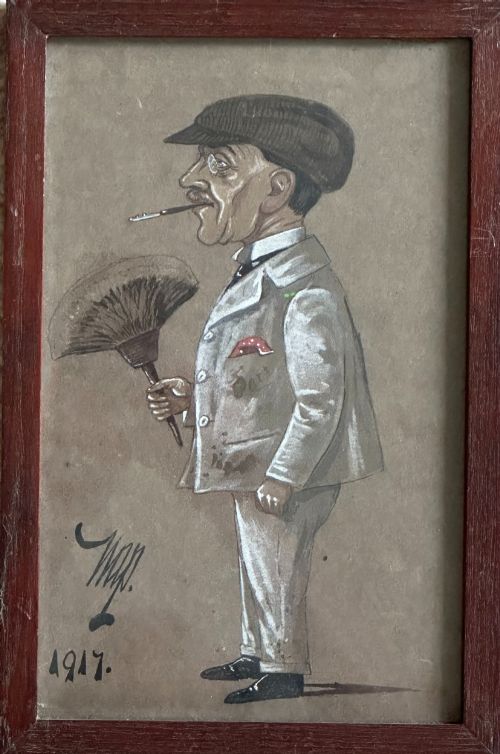
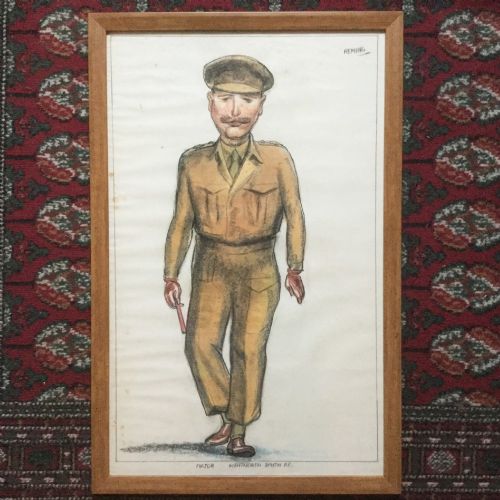
Subjects appear through various artistic interpretations, from formal historical commissions to expressive caricatures and rapid wartime sketches. Each drawing reflects the prevailing aesthetic sensibilities of its specific decade, connecting the viewer directly to historical personages.
Materials and Technique
Artists relied primarily on paper supports, applying mediums such as graphite, charcoal, chalk, pastel, ink, and plumbago to build tonal depth and linear precision. These dry and fluid materials allowed draftsmen to capture fine facial details and expressive character with immediacy.
Many surviving works incorporate watercolour and gouache alongside standard drawing implements, adding subtle colour to lips, cheeks, and military uniforms. Pastels provided a soft, luminous finish particularly favoured during the eighteenth and nineteenth centuries.
Protection and presentation relied upon traditional framing methods involving wood, glass, and decorative gilt gesso. These original housings safeguard the delicate paper and friable drawing mediums from environmental damage over the centuries.
Gentleman Portrait Drawing Retail Price Guide 2026
Typical asking prices for gentleman portrait drawing among the pieces listed under this phrase on Sellingantiques today, from the lower quarter to the upper quarter. They describe what is for sale here now, not the wider market.
Listings feature paper supports utilised alongside graphite, charcoal, chalk, pastel, ink, and plumbago across multiple historical periods.
Evaluating Quality
The distinction between ordinary and exceptional works lies in the draughtsmanship and the artist's ability to render personality and anatomical proportion convincingly. Master hands capture bone structure and gaze with minimal, assured strokes, whereas lesser drawings rely on stiff or formulaic outlines.
Provenance and attribution significantly influence distinction, particularly when works can be linked to documented artists or historical sitters. Signed pieces and those retaining contemporary framing provide stronger historical documentation and aesthetic coherence.
John Taylor·Nathaniel Bermingham·Arthur Pond·Henri Josephe Hesse·John Seymour Lucas·Ernest Borough Johnson·George Richmond·Sir Nathaniel Dance-Holland·Arthur Ludwig Ratzka
The Gentleman Portrait Drawing Glossary
- Plumbago
- A very early form of pencil drawing utilising pure graphite powder, popular for highly detailed miniature portraits during the seventeenth and eighteenth centuries.
- Regency
- The British historical period spanning the early nineteenth century, known in portraiture for restrained elegance and refined linear draughtsmanship.
- Pastel
- A medium composed of powdered pigment and a binder, shaped into sticks that create vibrant, velvety surfaces requiring protection beneath glass.
- Gesso
- A plaster-like mixture applied to wooden frame mouldings and carved to create decorative relief patterns before gilding.
Gentleman Portrait Drawing: Frequently Asked Questions
What periods do these drawings cover?
The inventory spans from the eighteenth century through the Georgian and Regency eras, extending into the Victorian period, early twentieth century, and the 1940s.
Most items originate from the nineteenth century, reflecting varied historical aesthetics from formal portraiture to wartime sketches.
How should I display them?
These works require hanging away from direct sunlight to prevent the fading of graphite, ink, and pastel pigments on paper. Maintaining stable indoor humidity protects both the delicate drawing surfaces and their antique wood and gesso frames.
Framed artwork should remain under glass to shield the paper from dust and atmospheric pollutants.
Are the frames original?
Many pieces retain their period housings, including decorative gilt gesso frames designed specifically for the artwork. Some items feature later or period-appropriate frames that complement the style of the drawing.
Checking listing descriptions confirms whether the glass, wood, and backing materials are contemporary to the creation date.
How do I identify the sitter?
Identification depends on inscriptions found on the paper, backing boards, or frame labels detailing names, titles, and dates. Military uniforms and civilian dress often provide clues to the subject's profession and social standing.
Researching documented historical figures linked to the artist adds significant context to unlabelled portraits.