
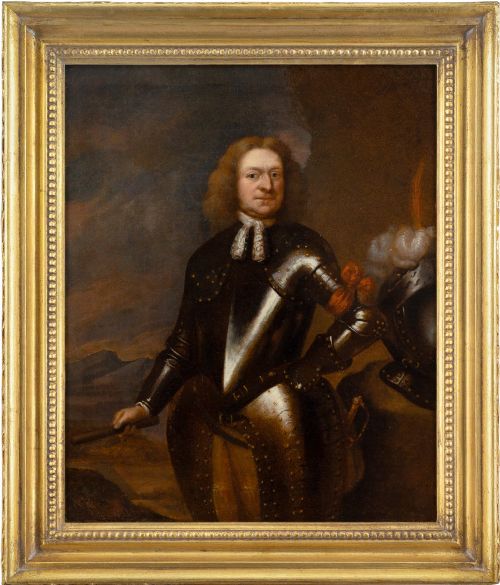


Gentleman in Armour
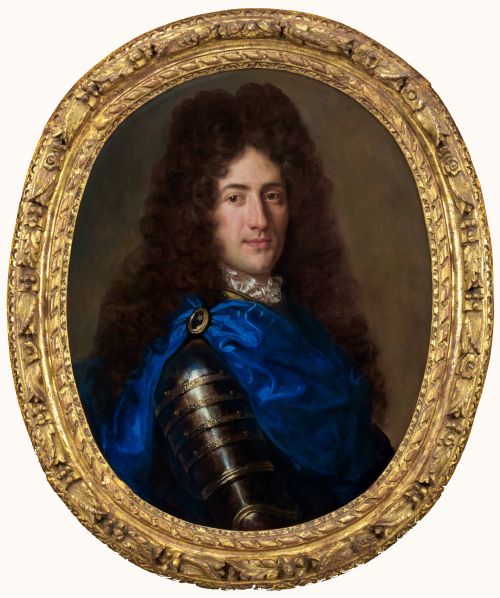
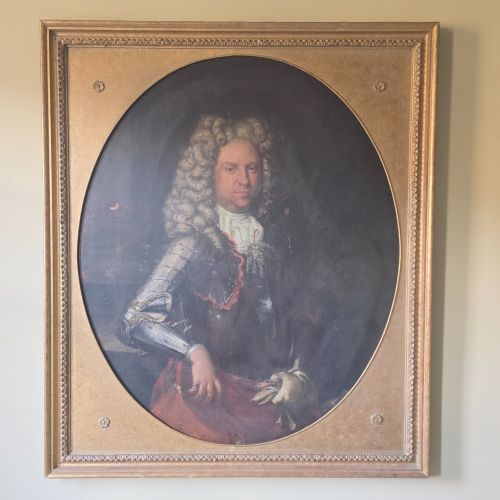
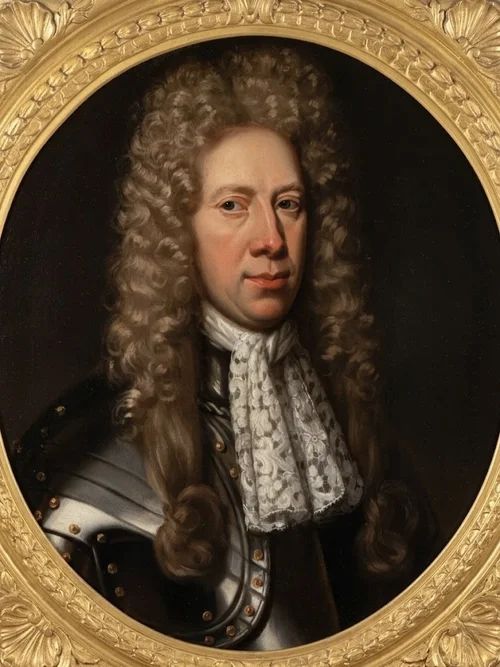
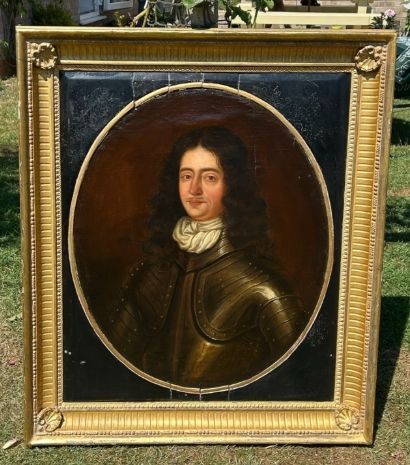
Gentleman in armour paintings present commanding portraiture from the seventeenth and eighteenth centuries, offering collectors striking studies of martial nobility and aristocratic bearing.
Gentleman in Armour
A gentleman in armour search brings together oil paintings depicting military commanders, aristocrats, and cavaliers clad in steel breastplates, gorgets, and ceremonial attire. These works frequently date from the seventeenth century and the baroque period, capturing subjects with elaborate lace cravats, red sashes, or azure cloaks.
Most pieces encountered on this page originate from European schools, including British, Dutch, and French traditions, spanning from the seventeenth century through to later revivals. The subjects often represent named historical figures, such as generals and earls, rendered in half-length or three-quarter poses.
While many works emerge from studio circles or followers of prominent portraitists, they share a distinct visual gravity rooted in the baroque style. The visual impact relies on the interplay between reflective metal armour and rich drapery, conveying status, authority, and martial readiness.
Materials and Techniques
These works are executed in oil paint on woven canvas supports, utilising the reflective qualities of oil to render the sheen of polished steel and the texture of velvet cloaks. The application of pigment builds up the depth of the metal plates through layered glazes and highlights.
Many paintings retain their original or period wooden frames, often finished in giltwood or gilt wood, which complement the dark, dramatic palettes typical of the seventeenth century. The canvas substrate is stretched over traditional timber frames, occasionally bearing historical provenance stamps or lining evidence on the reverse.
Several subjects wear elaborate lace cravats alongside heavy steel breastplates, proving that military commanders took fashion advice very seriously.
Assessing Artistic Merit
Quality in these portraits rests upon the anatomical precision of the subject and the convincing depiction of light playing across the steel armour. Superior works demonstrate a confident handling of facial expression and hands, whereas lesser examples rely on formulaic drapery and rigid posture.
The attribution to a known studio or circle influences the standing of a piece, with hands close to master portraitists showing greater subtlety in brushwork and characterisation. The preservation of the original paint layer and the depth of the surviving canvas ground also determine the visual integrity of the composition.
Sir Godfrey Kneller·John Scougall·John Greenhill·Joseph Vivienne·Samuel cooper·John Closterman·John Baptiste de Medina·Johann Kerseboom·Willem Wissing·Pierre Mignard·Louis Tocqué·Anthony van Dyck·William Aikman
The Gentleman in Armour Glossary
- Armour
- Protective steel plates worn by military commanders and nobility, serving in portraits as a visual shorthand for authority and martial prowess. The rendering of its polished surface tests the skill of the artist.
- Baroque
- An artistic style prevalent during the seventeenth and early eighteenth centuries characterised by dynamic movement, deep shadow, and theatrical drama. In portraiture, it manifests in billowing cloaks and dramatic lighting.
- Cavalier
- A term describing supporters of the royalist cause during the English Civil War, later used to describe men depicted in the fashion of that era with long hair and rich garments. These subjects frequently appear wearing steel breastplates.
- Giltwood
- Timber carved and coated with a thin layer of gold leaf, commonly used for framing historical oil paintings. Period frames contribute significantly to the overall presentation and authenticity of the artwork.
- Studio of
- A designation indicating a work produced by assistants or pupils working under the direct supervision of a master artist. Such pieces often replicate successful compositions from the principal workshop.
Gentleman in Armour: Frequently Asked Questions
What is a gentleman in armour painting?
These artworks are historical oil paintings from the seventeenth and eighteenth centuries depicting male subjects wearing military plate armour. They record the likenesses of aristocrats, officers, and military commanders during eras of significant political conflict.
The genre bridges fine art and military history, celebrating the status and martial ambition of the sitter through dramatic portraiture conventions.
How were these portraits displayed historically?
Historically, portraits of armed noblemen hung in the great halls, galleries, and stairwells of country houses and manors. They served to project the lineage, authority, and military involvement of a family to visitors.
Today, they function well in traditional interiors, libraries, or studies, pairing naturally with dark wood furniture and antique textiles.
How can I tell a seventeenth-century piece apart from a later revival?
Early pieces typically exhibit specific canvas weaves, period priming techniques, and natural ageing in the oil paint such as fine craquelure. Stylistic details in the armour, lace cravats, and wigs also align precisely with the documented fashion of the stated decade.
Revival works from later periods often display different stretcher construction, brighter synthetic pigments, or canvas preparations that reflect nineteenth or twentieth-century manufacturing methods.
Do these paintings require special care?
Like most antique oil paintings on canvas, these works need stable environmental conditions away from direct sunlight and high humidity. Maintaining consistent indoor temperatures prevents the canvas and wooden stretcher from warping or cracking.
Dusting should be done gently with a soft, dry brush, avoiding any liquid cleaners or chemical agents on the delicate paint surface.