



Gemstone Drop Charm
These gemstone drop charm pieces bring together coloured stones and precious metals across periods from the Victorian era to the mid-twentieth century.
Gemstone Drop Charm
When you search for gemstone drop charm items, you encounter pendants and necklaces designed to suspend a principal stone or cluster from a chain or loop. The selections here span the Victorian, Edwardian, Art Nouveau, Art Deco, and mid-century periods, reaching into the later twentieth century.
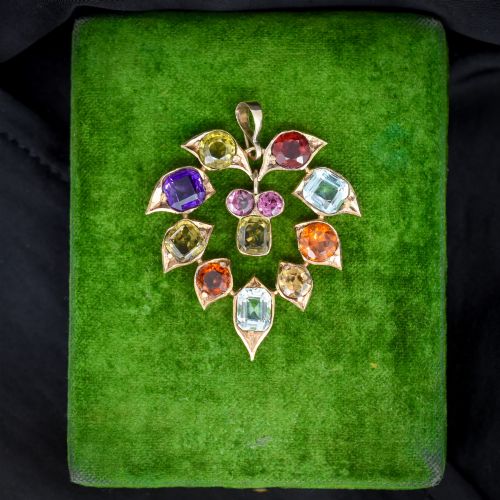
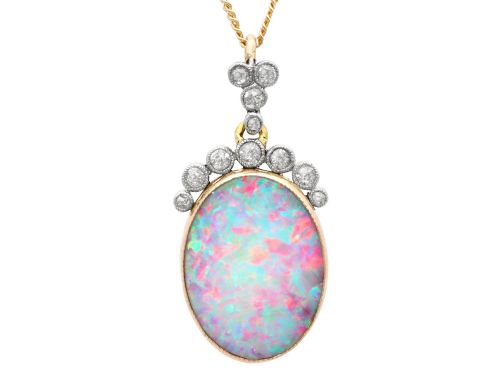
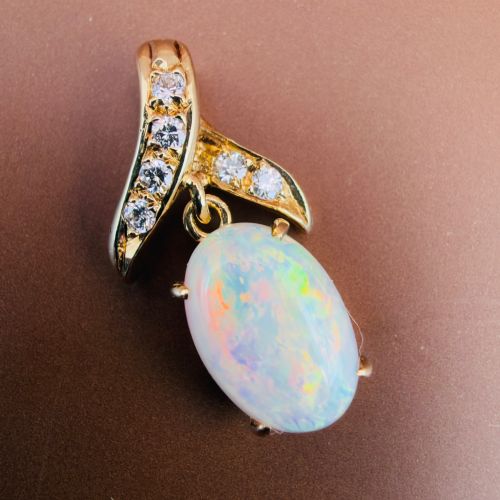
You are most likely to meet 9ct gold and yellow gold mountings holding amethyst, aquamarine, opal, and garnet. These pieces function as both pendants and charms, often featuring seed pearls, diamonds, or white sapphires alongside the central gemstone.
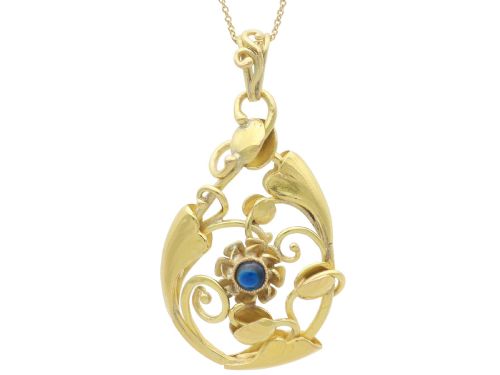
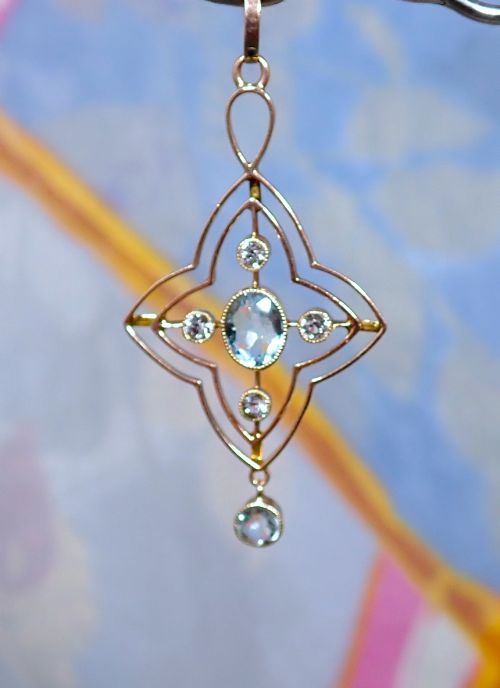
The forms range from single cabochon opals and foil-backed aquamarines to intricate cluster arrangements and heart-shaped drops. Each piece reflects the characteristic lapidary tastes and metalwork styles of its decade of origin.
Materials and construction
The construction relies on precious metals including 9ct, 14ct, 15ct, and 18ct yellow and white gold, alongside silver. Metals are worked into bezel settings, claw mounts, and fob structures to secure the stones.
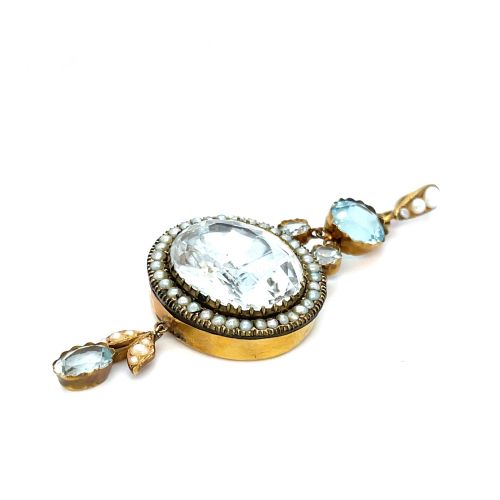
Stones are faceted in oval and pear cuts, or shaped as cabochons, with foil backing utilised in specific Victorian pieces to enhance the colour of aquamarines and rock crystals. Seed pearls and diamonds are frequently set as accents surrounding larger amethysts, opals, and garnets.
Gemstone Drop Charm Retail Price Guide 2026
Typical asking prices for gemstone drop charm among the pieces listed under this phrase on Sellingantiques today, from the lower quarter to the upper quarter. They describe what is for sale here now, not the wider market.
Evaluating the range
Quality in these items is determined by the depth and clarity of the stones, such as the play of colour in opals or the saturation in amethysts and imperial garnets. The refinement of the surrounding metalwork, from delicate Edwardian seed pearl arrangements to robust mid-century cluster settings, dictates the overall standard.
The integrity of the original mounts and the harmonious proportion between the suspending drop charm and its primary gemstone separate standard productions from finer examples.
The Gemstone Drop Charm Glossary
- Cabochon
- A gemstone shaped and polished with a smooth, convex domed surface rather than faceted. This style highlights the internal optical phenomena of stones like opals and certain sapphires.
- Foil back
- A technique where a thin sheet of metallic foil is placed behind a transparent gemstone within a closed setting to increase its brilliance and alter its perceived colour. This method is common in older jewellery.
- Cluster pendant
- A jewellery arrangement where a central stone is surrounded by a tighter ring of smaller stones, often diamonds or pearls. This layout maximises visual impact and light reflection.
- Seed pearl
- A very small, naturally occurring or cultured pearl, typically drilled and threaded onto silk or wire. Edwardian and Victorian makers utilised them to create delicate borders and floral motifs.
- Fob charm
- A small decorative ornament originally attached to a pocket watch ribbon or chain. Many antique examples are repurposed as pendant charms for necklaces.
Gemstone Drop Charm: Frequently Asked Questions
What is a gemstone drop charm?
A gemstone drop charm is a pendant or necklace featuring a suspended stone designed to hang from a chain or loop. These pieces combine precious metals with coloured gems for personal adornment.
They appear across various historical periods, incorporating stones like amethyst, opal, and aquamarine in distinct mounting styles.
How do I date an antique pendant?
Dating relies on the combination of metal purity marks, stone cuts, and stylistic clues inherent to periods like the Victorian or Edwardian eras. Specific settings and motifs often point to a precise decade.
Examining the back of the piece and the mounting techniques provides further evidence of its manufacturing timeframe.
Can these pendants be worn daily?
Many gold pendants from these periods are durable enough for regular wear when handled with reasonable care. Softer stones like opals require more attention to avoid impact or scratching.
Matching the piece to an appropriate chain ensures the security of the drop charm during daily use.
What metals were used in these pieces?
The pieces utilise various gold purities, including 9ct, 14ct, 15ct, and 18ct yellow gold, alongside white gold and silver. These metals reflect the prevailing standards of their respective decades.
Metal choice often corresponds to the period, with higher carat golds appearing frequently in earlier Victorian and Edwardian works.