

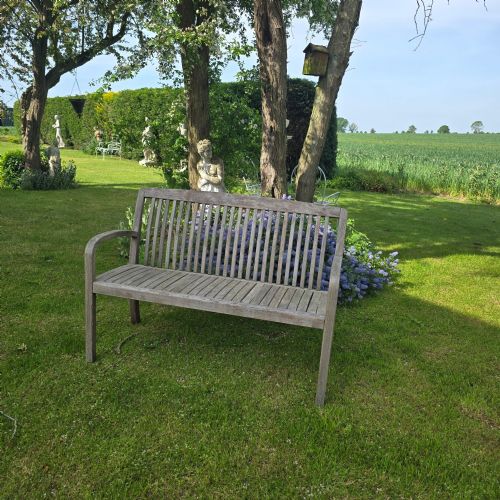
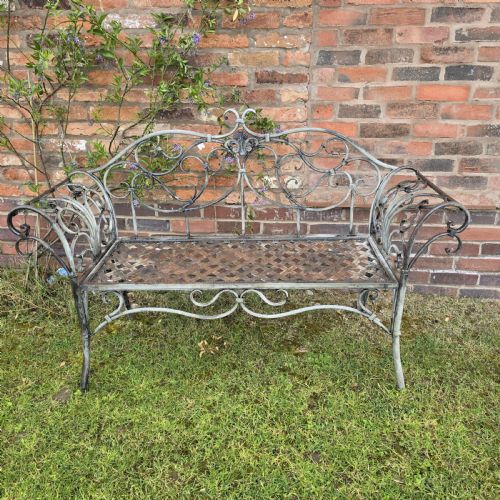

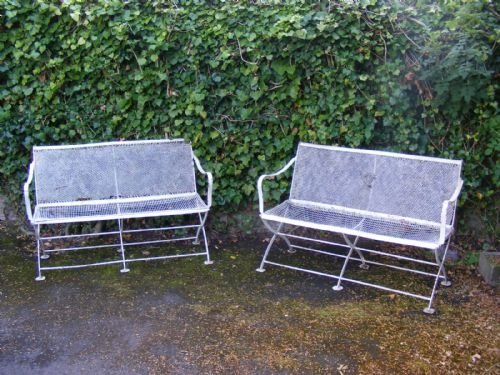


Garden Patio Bench
These garden patio bench examples bring enduring form to outdoor spaces, offering solid seating crafted from durable metals and woods.
Garden Patio Bench
When you search for a garden patio bench, you look for robust outdoor seating designed to weather the elements while anchoring a garden scheme. The listings present pieces originating from the nineteenth century up through the interwar period, including Victorian and Regency styles.
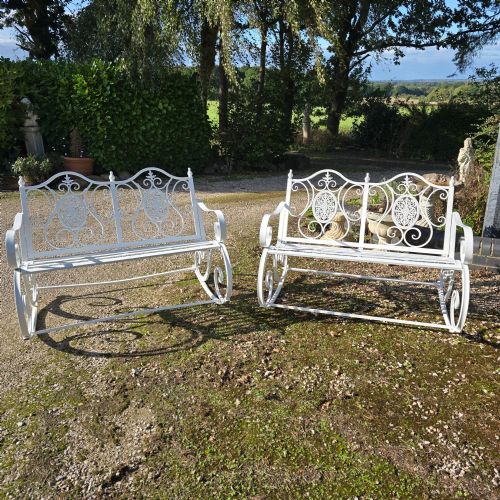
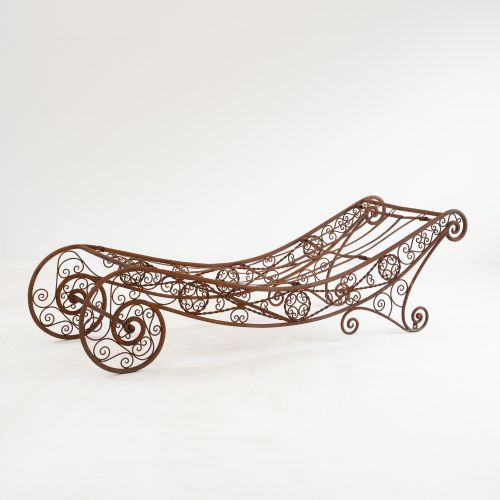
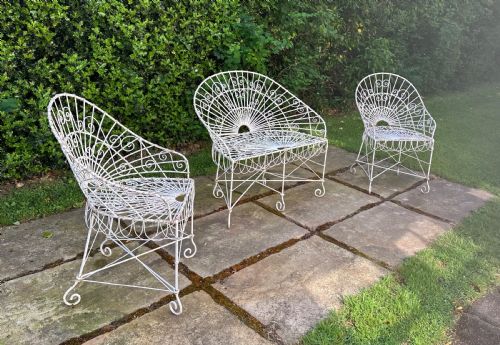
You are most likely to meet cast iron and wrought iron forms, alongside weathered stone and teak varieties. These items range from single garden seats and daybeds to larger matching furniture sets complete with armchairs.
How they were made
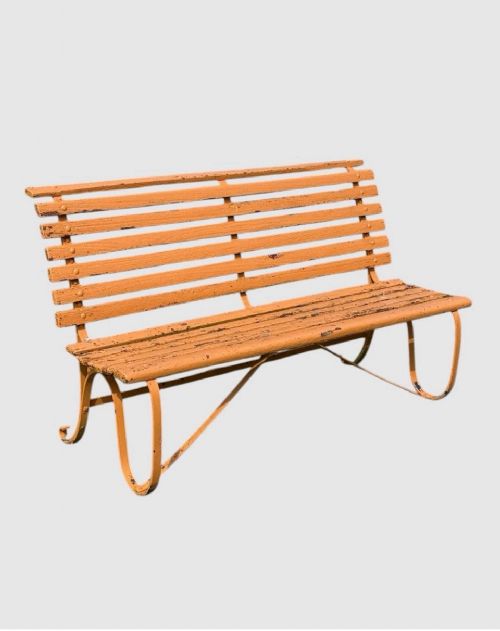
Makers utilised cast and wrought iron to form intricate strap work, lion masks, and gothic designs, often pairing metal frames with wooden slats. Weathered stone and cast stone provide weighty, permanent alternatives shaped through classical revival traditions.
Timber elements such as silvered teak contribute natural warmth to the metal structures, while painted finishes protect surfaces against outdoor moisture. Metal components rely on foundry casting and manual forging to achieve structural integrity.
Garden Patio Bench Retail Price Guide 2026
Typical asking prices for garden patio bench among the pieces listed under this phrase on Sellingantiques today, from the lower quarter to the upper quarter. They describe what is for sale here now, not the wider market.
Current listings feature pieces spanning the nineteenth century, the 1800s, 1920, and 1930, utilising cast iron, wrought iron, stone, and teak.
What varies in quality
The refinement of the casting and the crispness of decorative details separate standard examples from finer works, particularly where foundry marks or complex gothic tracery appear. Superior specimens retain their original structural harmony without heavy replacement parts.
The depth of weathering on stone and the natural silvering of timber indicate age and environmental exposure, contributing to the visual character of the piece.
The Garden Patio Bench Glossary
- Cast Iron
- Molten iron poured into a mould to create rigid decorative components and structural frames. This technique allows for detailed ornamentation like lion masks and gothic tracery.
- Wrought Iron
- Iron heated and hammered into shape by hand, resulting in tough, pliable metalwork. It appears in strap work and daybed frames.
- Regency Style
- A design influence marked by classical restraint, graceful curves, and delicate metalwork. Pieces from this tradition often feature linear strap work.
- Gothic Revival
- An architectural and decorative style inspired by medieval forms, featuring pointed arches and ornate tracery. Iron benches in this tradition display heavy architectural detailing.
- Weathered Stone
- Natural stone exposed to the elements over long periods, acquiring a patinated surface. It forms solid garden benches and seats.
Garden Patio Bench: Frequently Asked Questions
Where should a garden patio bench be placed?
Position these benches along gravel paths, beneath leafy arbours, or on stone terraces where they serve as focal points. Placing them on hard, level ground prevents uneven settling.
Heavier stone and cast iron designs require minimal maintenance once positioned, whereas timber elements benefit from seasonal shelter during harsh winters.
How do I identify a Victorian garden patio bench?
Victorian examples often display robust cast iron frames incorporating naturalistic motifs, animal masks, or gothic revival patterns. They frequently combine heavy metal ends with wooden slats.
Examining the casting seams and the depth of the patina helps confirm nineteenth-century production methods.
Can iron garden patio bench seats stay outside?
Iron and stone furniture stands outdoors year-round, developing a natural patina that protects the underlying material. Regular checks ensure painted surfaces remain intact.
Wooden components like teak weather to a silver-grey finish naturally when left exposed to rain and sun.
What is strap work on a garden patio bench?
Strap work consists of flat metal bands arranged in geometric or interlaced patterns to form supportive seats and backs. This technique lightens the visual weight of iron furniture.
Regency style examples frequently utilise this linear method to create airy, classical silhouettes.