

Garden Outdoor Bench
A garden outdoor bench provides a permanent resting point amongst the planting, bringing architectural structure and utilitarian seating to the grounds.
Garden Outdoor Bench
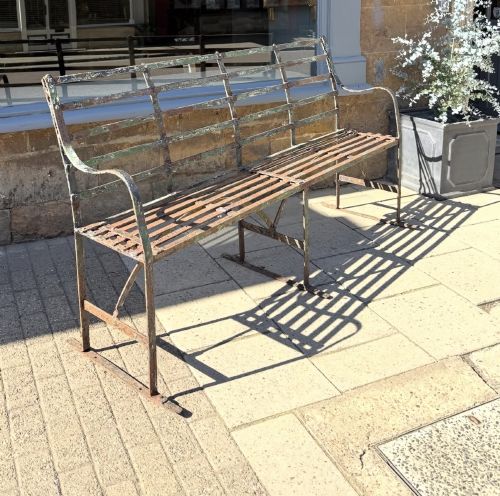
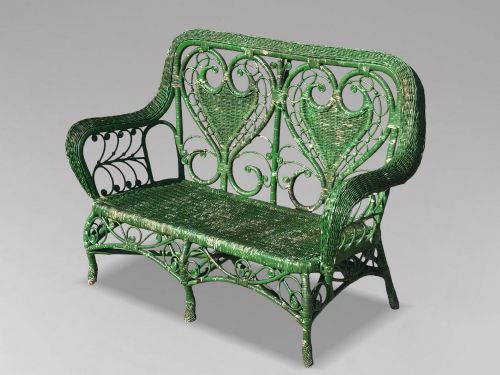
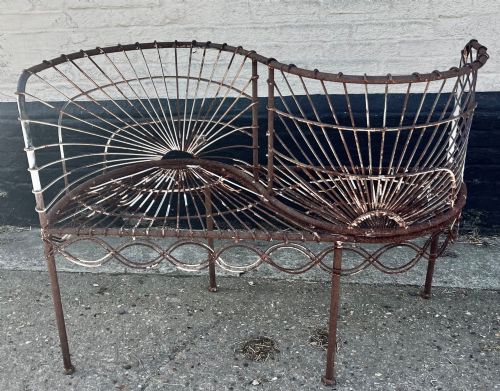
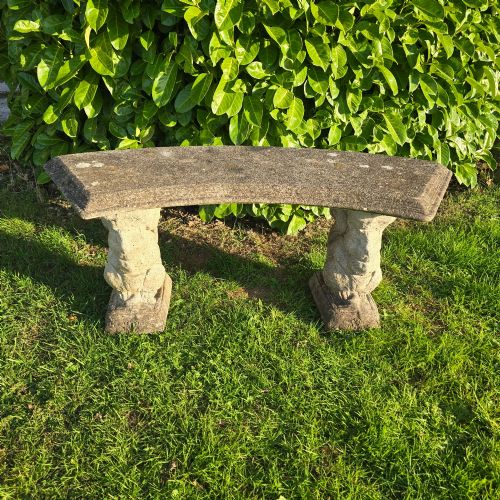
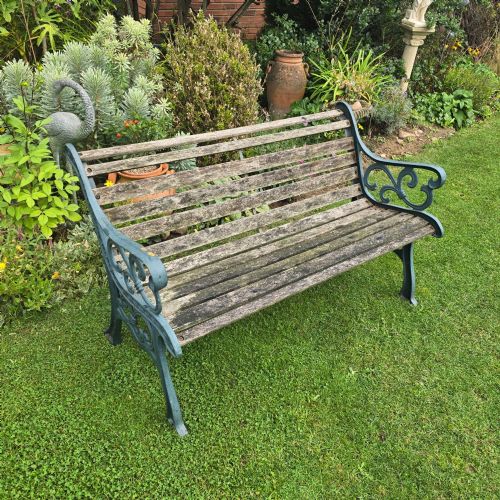
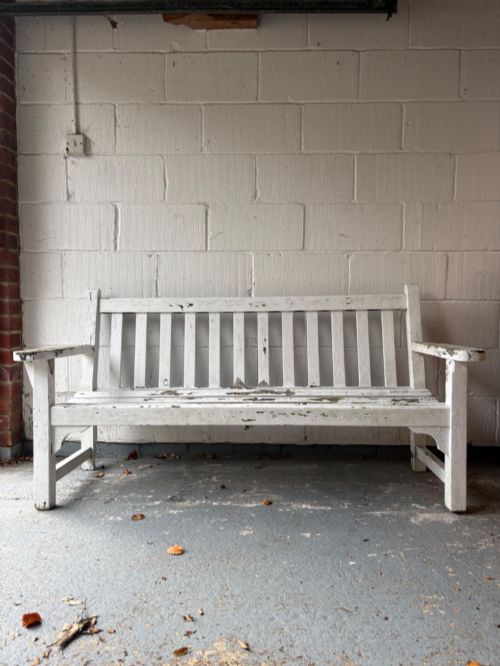
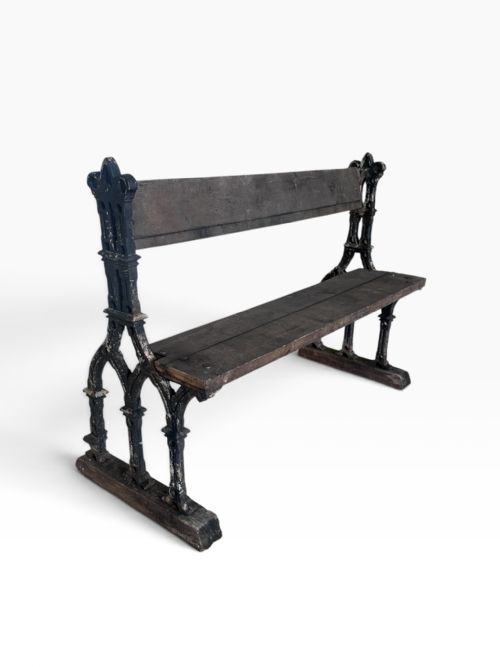
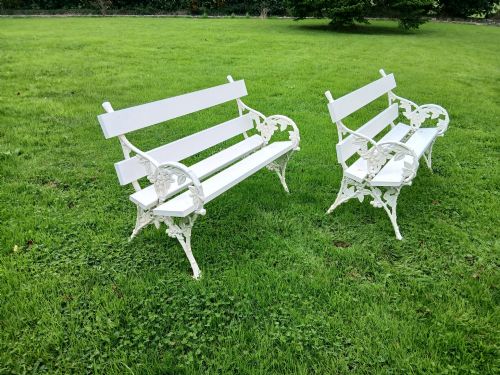
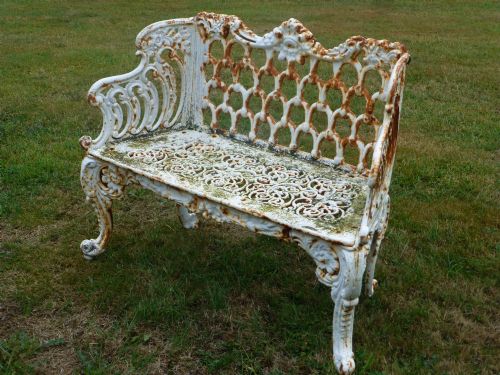
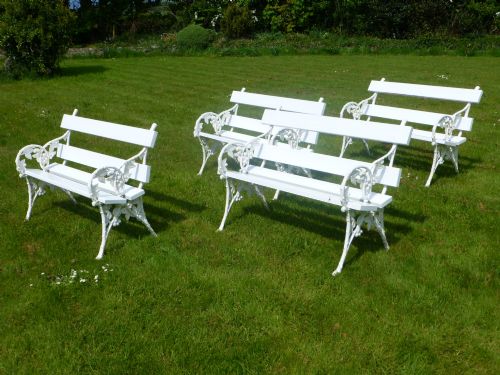
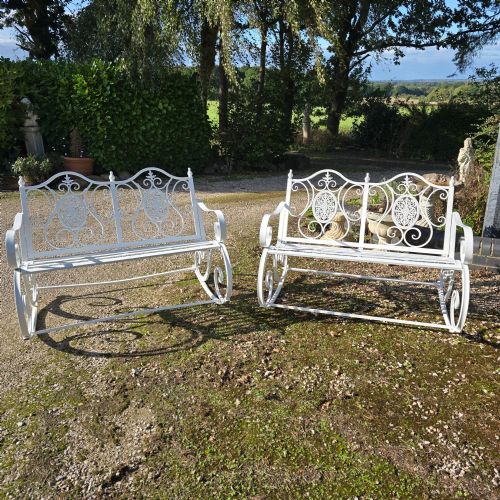
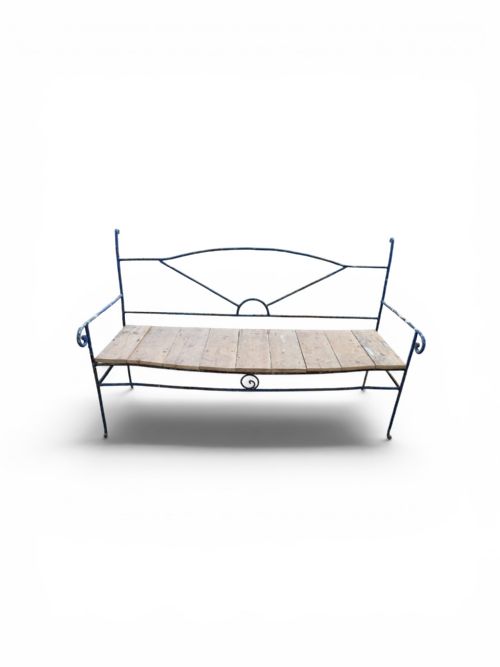
A garden outdoor bench takes many structural forms across the periods, ranging from standard rectangular seating to curved stone benches, conversation seats, and canopy-covered designs. Buyers searching for a garden outdoor bench will frequently encounter Victorian cast iron examples and weathered teak versions dating from the nineteenth and early twentieth centuries.
Makers drew on diverse aesthetic inspirations, producing pieces in Regency strapwork, Victorian Gothic, French Country, and faux bois styles. These seats served practical roles in parks, conservatories, and country house grounds, utilising durable materials suited to permanent outdoor placement.
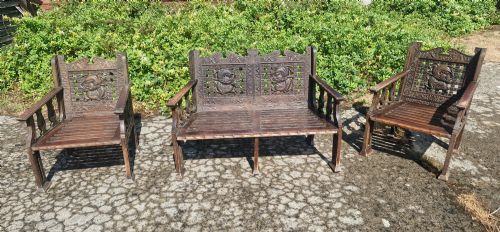
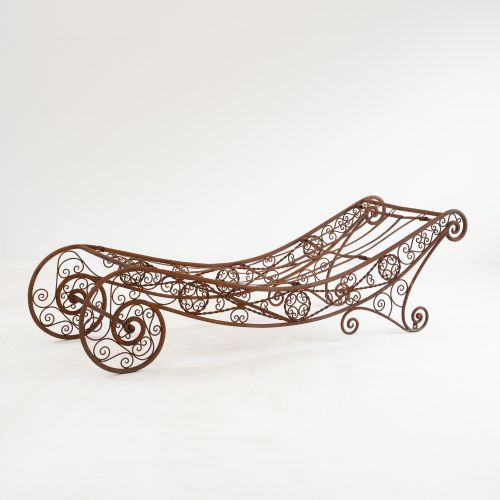
The selection extends beyond traditional forms to include garden daybeds, wirework arbours, and matching seating suites complete with armchairs. Regional variations appear across English and French designs, spanning simple rustic timber constructs to ornate iron foundry productions.
Materials and construction techniques
Foundries utilised cast iron and wrought iron to form intricate structural frames, incorporating botanical motifs such as blackberry and leaf patterns, lion masks, and gothic arches. Metal components were frequently painted or left to develop a natural surface patination over decades of exposure.
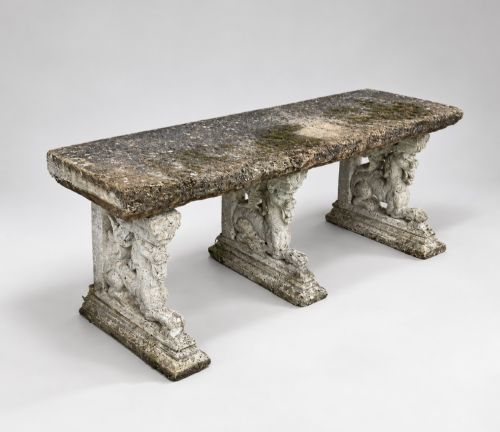
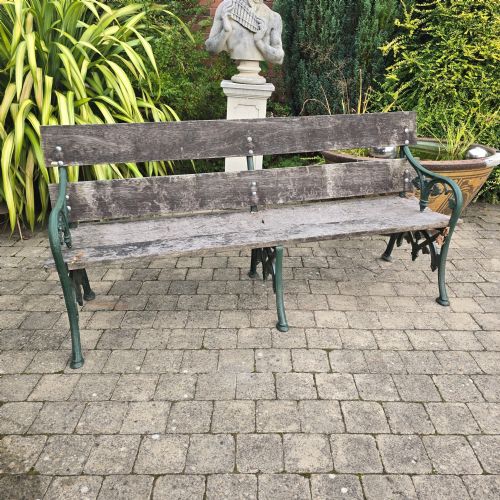
Timber construction relies on durable woods like teak, pine, and French elm, often assembled to create slatted seats and backs that shed rainwater effectively. Stone variants, including curved and solid reconstituted stone blocks, provide heavy, immobile installations designed to weather the elements permanently.
Garden Outdoor Bench Retail Price Guide 2026
Typical asking prices for garden outdoor bench among the pieces listed under this phrase on Sellingantiques today, from the lower quarter to the upper quarter. They describe what is for sale here now, not the wider market.
Listings feature nineteen-century Victorian and Regency ironwork alongside early twentieth-century weathered teak benches.
Evaluating build and design distinction
Quality separates standard utilitarian foundry work from exceptional artistic production, visible in the crispness of iron castings such as detailed blackberry leaf reliefs or structural gothic tracery. The caliber of a piece rests on the integrity of its original joints, the depth of patination on weathered teak, and the structural balance of strapwork frames.
Design ambition elevates certain pieces, distinguishing simple slatted timber seats from sophisticated architectural compositions featuring canopies, faux bois concrete shaping, or matched foundry sets. Superior examples retain their original painted surfaces or show even, honest weathering across metal and wood.
Falkirk Carron Foundry·Carron Foundry·Coalbrookdale
The Garden Outdoor Bench Glossary
- Faux bois
- Imitation wood. This technique involves shaping iron or concrete to resemble natural timber branches and rustic logs.
- Strapwork
- Flat interlaced metal bands. This decorative technique forms geometric patterns characteristic of Regency ironwork.
- Gothic
- Pointed arch architecture. This style utilises vertical lines and cusped tracery adapted for nineteenth-century metal garden seats.
- Wirework
- Bent metal mesh. This technique constructs lightweight, airy garden arbours and plant stands from interwoven wire.
Garden Outdoor Bench: Frequently Asked Questions
How do I maintain a wooden garden bench?
Teak and pine benches withstand seasonal weather naturally, developing a silvered patina over time when left untreated.
Regular cleaning with a stiff brush removes dirt and organic matter from the slats without requiring chemical oils.
Can cast iron benches stay outside all winter?
Heavy metal frames tolerate frost and low temperatures well due to the robust nature of nineteenth-century foundry iron.
Positioning them on gravel or paving rather than directly on damp soil prevents excessive moisture retention at the base of the legs.
What defines a Regency strapwork bench?
Regency examples feature flat, interlaced metal bands forming geometric patterns that create a lighter visual profile than solid cast iron.
These pieces originate from the early nineteenth century and rely on wrought iron construction for their curved armrests and frames.