




Garden Ornament Finials
Garden ornament finials are architectural toppers and sculptural markers that give outdoor spaces traditional weight and presence.
Garden Ornament Finials
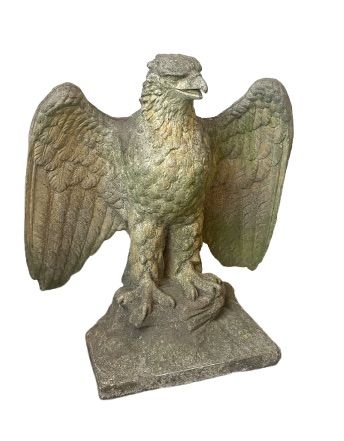
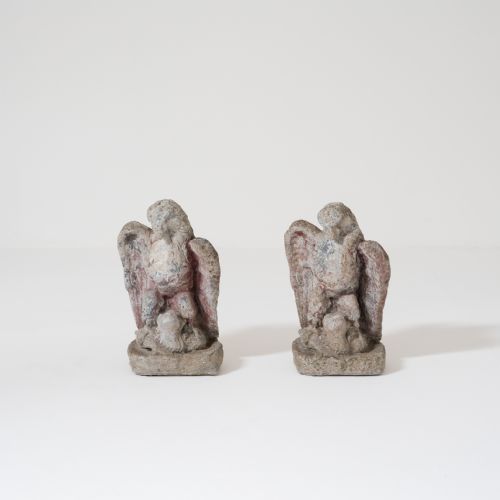
Garden ornament finials encompass pier capitals, gate toppers, and architectural pinnacles designed to crown stone posts and garden walls. These pieces emerge in styles ranging from Victorian and Neoclassical to Gothic Revival and French Chateau, reflecting centuries of architectural design. Buyers searching for garden ornament finials encounter robust forms such as eagles, lions, baskets, and crowns that anchor a landscape scheme.
The selections span diverse epochs, featuring everything from pre-sixteenth century Yorkshire limestone pinnacles to mid-twentieth century composition stone statues. Many items function as structural pier finials or gate finials, whilst others serve as ornamental statues and hitching posts. This variety allows landscape designers and homeowners to source appropriate accents for historic restorations or contemporary gardens.
Materials and construction methods
Makers utilised cast iron, iron, and copper to forge metal finials, weathervanes, and hitching posts with enduring structural strength. Cast iron components provide heavy, durable silhouettes suited to weathering outdoor elements over generations. Copper elements offer lightweight yet resilient properties, often developing characteristic patinas across centuries of exposure.
Stone and earth media feature prominently through composition stone, limestone, reconstituted stone, composite stone, stoneware, and terracotta. Carved stone and moulded compositions permit intricate detailing on items like floral baskets and architectural pinnacles. These diverse materials determine how each piece ages outdoors under varying weather conditions.
Garden Ornament Finials Retail Price Guide 2026
Typical asking prices for garden ornament finials among the pieces listed under this phrase on Sellingantiques today, from the lower quarter to the upper quarter. They describe what is for sale here now, not the wider market.
Listings feature items spanning the 18th century through to the mid-20th century, encompassing Victorian, Gothic Revival, and Folk Art styles.
Evaluating quality and craftsmanship
The distinction between standard output and superior examples lies in the sharpness of the carving and the fidelity of the cast. Hand-carved limestone pieces demonstrate precise chisel work and sculptural depth that mechanical moulding cannot replicate. Higher-grade metal items show clean casting lines and robust joining techniques that withstand decades of atmospheric pressure.
Provenance and material integrity significantly influence the standing of an item. Pieces salvaged from notable historical structures carry architectural context that elevates their interest beyond ordinary garden decor. Furthermore, the natural weathering of stone and the stable oxidation of metals indicate the authenticity and durability of the piece.
The Garden Ornament Finials Glossary
- Finial
- An ornamental crowning detail placed at the apex of a pier, gatepost, or architectural structure. It serves both a decorative function and a visual conclusion to a vertical line.
- Pier cap
- A protective and decorative stone or metal slab positioned on top of a brick or stone pier. It often incorporates a finial to add height and architectural distinction.
- Pinnacle
- An architectural ornament, often conical or pyramidal, originating in Gothic structures to add weight to a buttress. They appear in garden settings as significant focal points.
- Composition stone
- A manufactured material made from aggregate stone mixed with a binder, moulded to imitate natural carved stone. It allows for consistent replication of classical architectural forms.
- Hitching post
- A sturdy vertical post, frequently cast in iron with animal head motifs, historically used for tethering horses. They survive in gardens as sculptural objects with functional origins.
- Weathervane
- A moveable metal device mounted on a roof or pole to indicate wind direction, often featuring decorative animal or heraldic silhouettes. They combine utilitarian engineering with folk art expression.
Garden Ornament Finials: Frequently Asked Questions
What is a garden ornament finial?
A garden ornament finial is a decorative sculptural element placed at the top of a gatepost, pier, or architectural structure. These pieces provide a finished focal point to stone walls and garden boundaries.
They appear in various forms, including carved stone baskets, stone eagles, and cast iron crowns. Their primary role is to elevate the architectural detail of outdoor spaces.
How do I install heavy stone finials?
Heavy stone and composition finials require a stable, level pier or base capable of supporting their substantial weight. Masons typically use mortar or hidden metal dowels to secure the piece permanently to the structure.
Proper alignment ensures the finial withstands strong winds and remains stable over decades outdoors. Professional installation is often recommended for exceptionally large pieces.
How do I care for cast iron finials?
Cast iron finials need regular inspection for surface oxidation and protective coatings to prevent deep corrosion. Applying appropriate metal paints or waxes shields the iron from persistent moisture.
Allowing a stable patina to form is standard practice, provided rust does not compromise the structural integrity. Gentle cleaning removes debris without stripping protective surface layers.
Can antique finials remain outdoors year-round?
Most stone, cast iron, and terracotta finials are built to endure external climates throughout the year. However, severe frost can damage porous materials like certain older stonewares or terracotta if trapped water freezes.
Ensuring proper drainage beneath the base helps prevent moisture retention during colder months. Exceptional or fragile pieces may benefit from sheltered placement during harsh winters.