



Garden Figure Ornament
A garden figure ornament brings life to outdoor spaces through classical forms, animals, and mythological figures cast in stone or metal.
Garden Figure Ornament
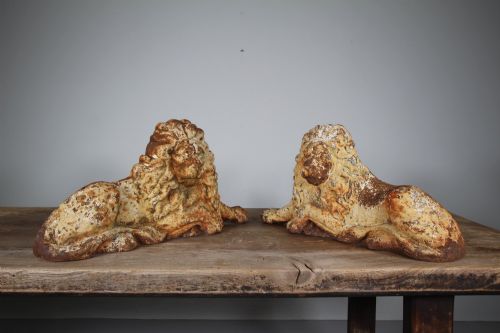
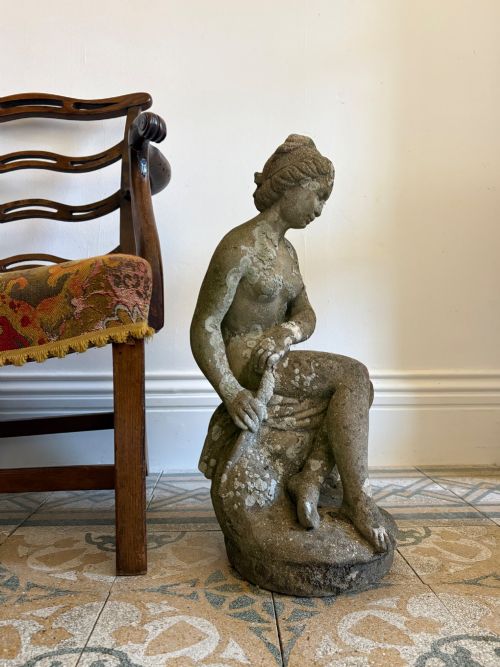
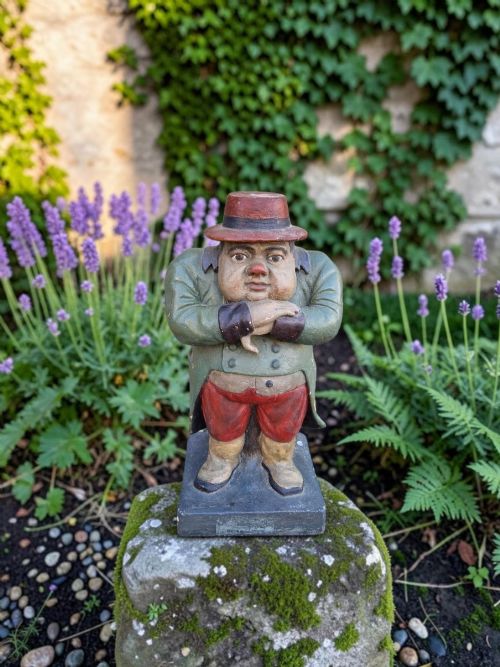
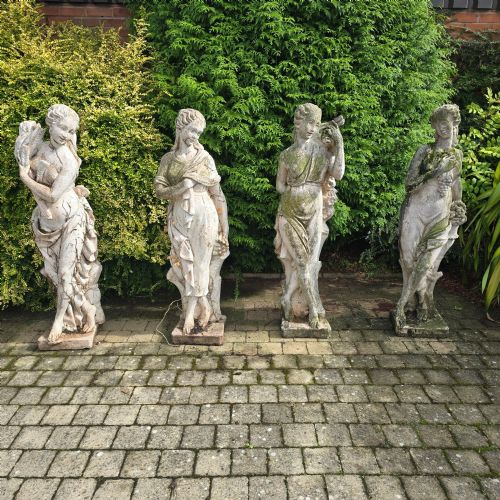
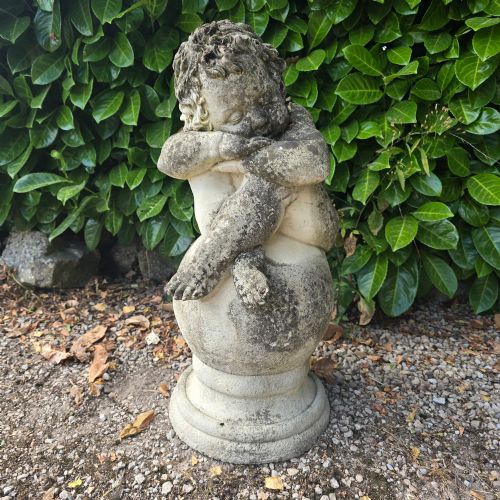
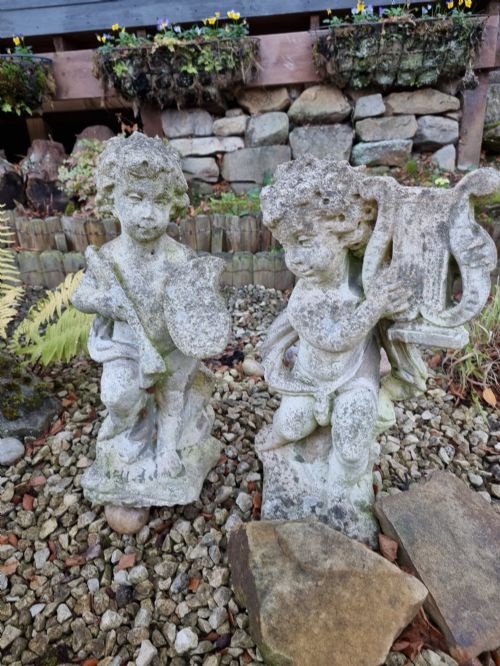
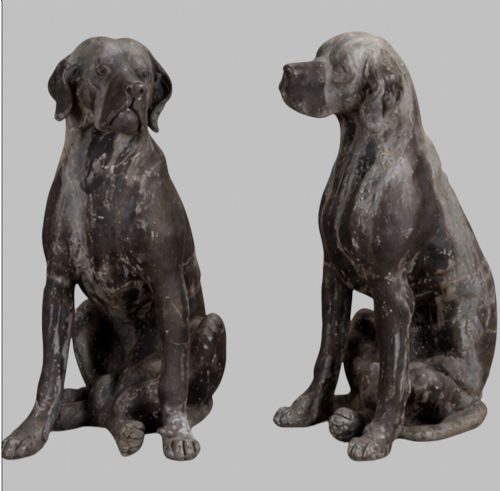
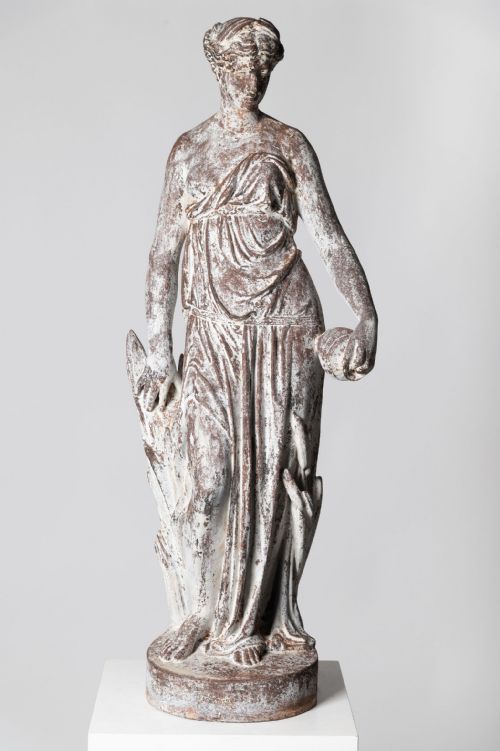
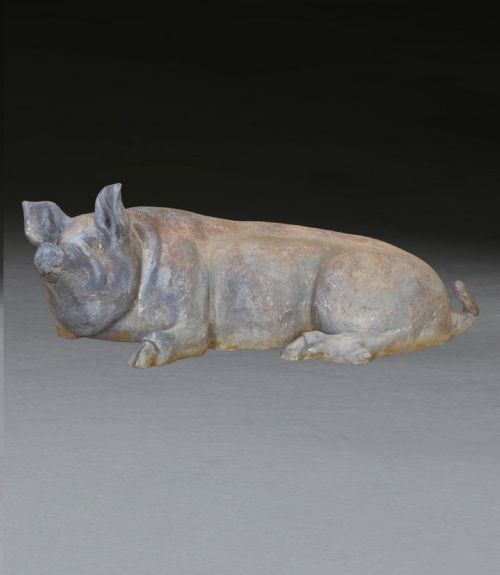
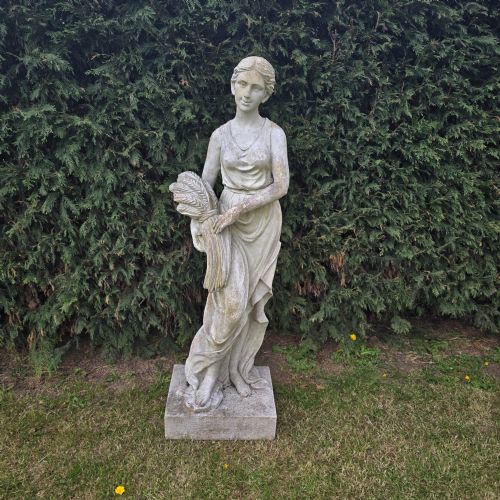
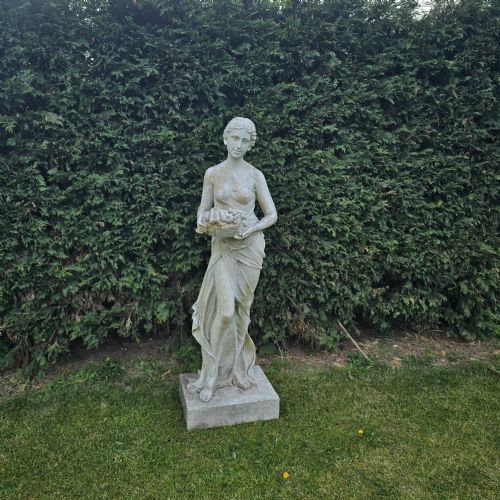
A garden figure ornament encompasses statues, sculptures, and architectural elements designed for placement outdoors. These pieces range from classical figures like Venus and the Four Seasons to animals including lions, hounds, and gnomes.
The materials span cast stone, reconstituted stone, lead, cast iron, and terracotta, reflecting various historical periods from the eighteenth century to the mid twentieth century. Buyers encounter both single figures and symmetrical pairs intended for placement on plinths or beside pathways.
Neoclassical and Victorian styles dominate the selection, bringing formal architectural presence to English country gardens and conservatory spaces. Each piece displays distinct weathering that records its exposure to the elements over decades.
Materials and Casting Techniques
Many sculptures utilise cast or reconstituted stone poured into moulds to replicate the appearance of carved marble or natural stone. This method allowed workshops to produce detailed figures of cherubs, maidens, and lions with consistent proportions.
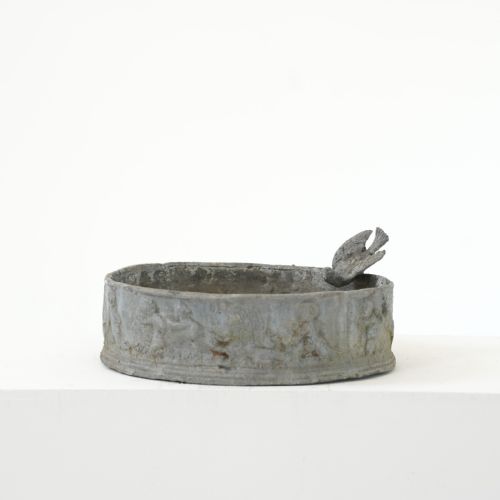
Metalworks involve both cast iron from prominent foundries and heavy cast lead shaped around armatures. Lead figures often retain traces of original paint and develop a soft grey patina over time.
Terracotta pieces employ fired clay shaped into animal and human forms, while bronze and porcelain appear in specific decorative sculptures like okimono and figurines.
Garden Figure Ornament Retail Price Guide 2026
Typical asking prices for garden figure ornament among the pieces listed under this phrase on Sellingantiques today, from the lower quarter to the upper quarter. They describe what is for sale here now, not the wider market.
Defining Quality in Sculpture
Casting quality affects longevity and the way weathering alters the surface. Well executed metal castings and dense stone mixtures hold fine details through decades of exposure without losing definition at the edges.
The presence of matching pairs, original plinths, and untouched patination elevates certain pieces above standard single items found in the wider selection.
The Garden Figure Ornament Glossary
- Reconstituted stone
- A composite material made from crushed stone and cement binder moulded into architectural ornaments and statues. It provides the heavy texture of natural stone with greater uniformity.
- Cast lead
- Molten metal poured into moulds to create durable figures and planters. This material is prized for the protective white or grey oxide layer it forms outdoors.
- Terracotta
- Fired unglazed clay exhibiting a warm reddish brown tone. It was frequently utilised for large animal figures and garden pots during the nineteenth century.
- Okimono
- A Japanese decorative sculpture designed for display on a surface rather than a floor. These works often depict animals or figures rendered in bronze.
- Patina
- The surface appearance acquired by materials through age and exposure to weather. In lead and stone, this alters the colour and texture in desirable ways.
Garden Figure Ornament: Frequently Asked Questions
How do I clean a stone garden ornament?
Gentle washing with water and a soft brush removes surface dirt without harming the weathered surface.
Avoid chemical cleaners and pressure washers that strip away the beneficial patina accumulated over decades.
Are lead garden figures heavy?
Solid lead is exceptionally dense and heavy, requiring multiple people or lifting equipment to position safely.
This weight prevents statues from tipping over in high winds and deters casual theft.
Where should I place a cast iron statue?
Position iron sculptures on stable stone bases or dry paved areas to minimise direct contact with damp soil.
Regular inspection helps catch early signs of rust before it affects the surrounding metalwork.
How do I date an antique stone figure?
Examine the mounting points, tool marks, and the depth of the weathering across exposed surfaces.
Stylistic details like neoclassical drapery or Victorian proportions also provide clear clues to the manufacturing era.