



Gallery Wall Art Print
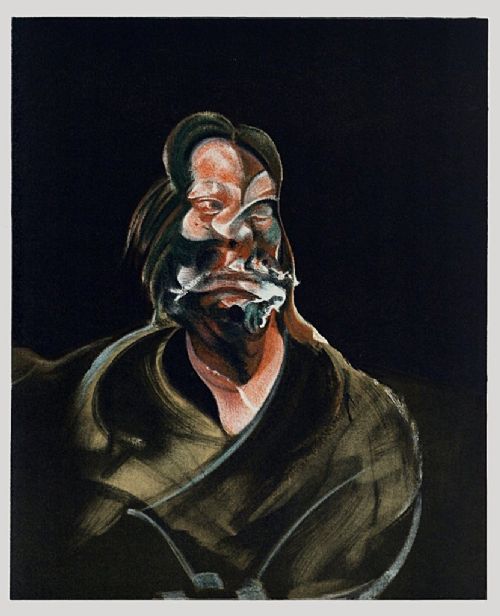
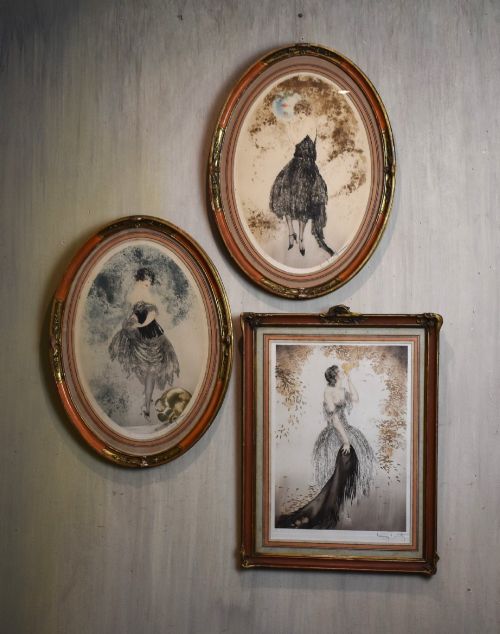
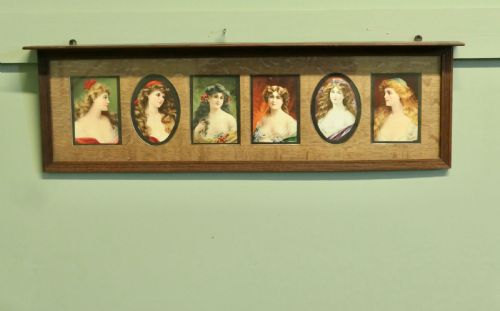
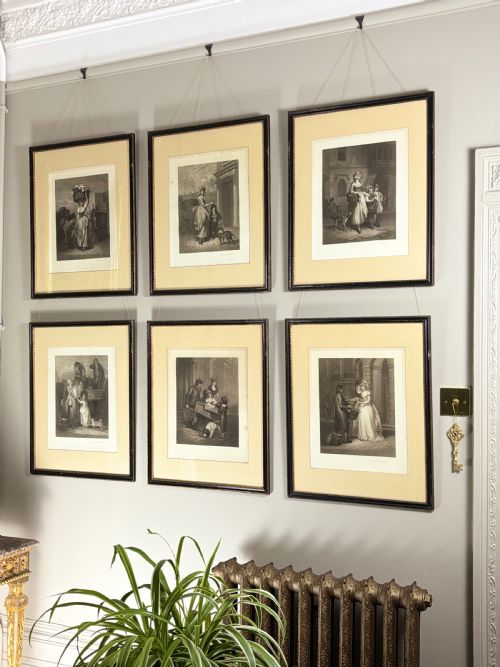
A gallery wall art print brings together historical engraving, portraiture, and botanical study to create an instant curated display.
Gallery Wall Art Print
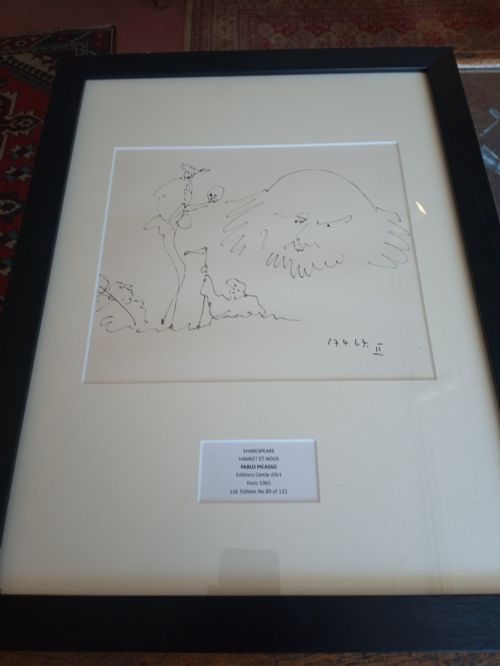
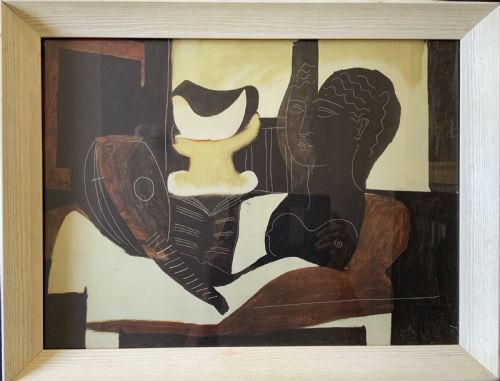
A gallery wall art print search brings up curated sets and individual sheets spanning from the eighteenth century to the mid twentieth century. These pieces encompass everything from Regency hand-tinted plates and Victorian botanical studies to mid-century modern abstract compositions.
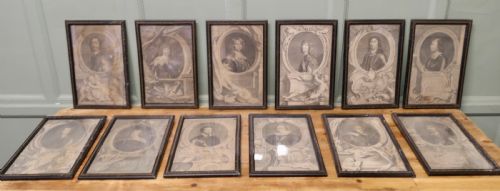
Sets dominate the selection, often grouped by subject matter such as ornithology, portraiture, or classical engraving. Buyers frequently encounter framed groups that are ready to hang, featuring works by notable artists and publishers like the Pallas Gallery.
The materials and framing vary considerably across the periods represented, ranging from simple oak surrounds to elaborate gilt wood frames with glass protection. Paper serves as the primary ground, carrying ink, watercolour, gouache, or pencil work.
Materials and technique
Printmakers utilised paper supports combined with ink, engraving, etching, and lithographic techniques to produce these works. Many pieces incorporate hand-colouring in watercolour or gouache applied over the printed lines.
Framing materials reflect the period of the artwork, with wood, gilt wood, and oak utilised alongside glass to protect the paper surfaces. Mounts and backing boards keep the delicate sheets stable within their frames.
Listings feature paper, glass, wood, ink, gilt wood, watercolour, gilt, and oak across eighteenth, nineteenth, and mid-century modern periods.
Distinctions in quality
Quality rests upon the crispness of the impression, the fidelity of any hand-applied colour, and the integrity of the original paper. Finer impressions show sharp platemarks and clear detail in the linework without blurring or fading.
The matching of frames and mounts to the period of the art elevates a piece, particularly when original glass and period wood surrounds remain intact. Completeness in a set of multiple prints also determines the overall desirability.
Francis Bacon·Pablo Picasso·Louis Icart·Thomas G Appleton·Edward Stodart·Simon François Ravenet·Pancrace Bessa·John Curtis·Edward Lear
The Gallery Wall Art Print Glossary
- Engraving
- A printmaking technique where an artist cuts lines directly into a metal plate with a burin. This produces fine, precise details suited for botanical and historical subjects.
- Lithography
- A planographic printing process based on the repulsion of oil and water on a limestone or metal surface. It allows for soft tonal gradations and fluid lines.
- Mezzotint
- A tonal printmaking method where the copper plate is roughened to achieve rich darks and subtle gradations of light. It became popular for reproducing portraits and paintings.
- Platemark
- The indentation left on paper by the edge of a printing plate under pressure during the printing process. Its presence confirms an intaglio print.
Gallery Wall Art Print: Frequently Asked Questions
How do I hang a set?
Arranging a set of framed prints requires careful spacing to balance the visual weight across your wall space. Keep the centre of the grouping at eye level for the best aesthetic impact.
Ensure secure fixings are used for heavier oak or gilt wood frames. Measure the total footprint of the set before placing any hooks.
Are these prints original?
The listings include original period engravings, lithographs, and mezzotints produced during the dates specified in each title. These are authentic impressions from their respective eras.
Check the medium and date details in the listing to confirm the specific production method of the work.
How should I care for paper art?
Keep framed paper works away from direct sunlight to prevent the fading of inks and watercolour pigments. Stable indoor humidity levels protect the paper and mount board from deterioration.
Glass fronts protect the delicate surfaces from dust and handling. Clean the glass gently with a cloth sprayed with cleaner, avoiding moisture contact with the frame joints.
What periods are available?
The selection spans from the seventeenth and eighteenth centuries through the Victorian and Regency eras up to mid-century modern works. Each period offers distinct stylistic characteristics and printing techniques.
Botanical studies and portraits feature strongly in the earlier periods, while abstract compositions emerge in the twentieth century sections.