




![Pen and Ink Sketch - Female Nudes by William Edward Frost [1810-1877]](https://www.sellingantiques.co.uk/photosnew/dealer_kendallhouse/dealer_kendallhouse_full_1758970795762-8493507346.jpg)

Classical Nude Drawing
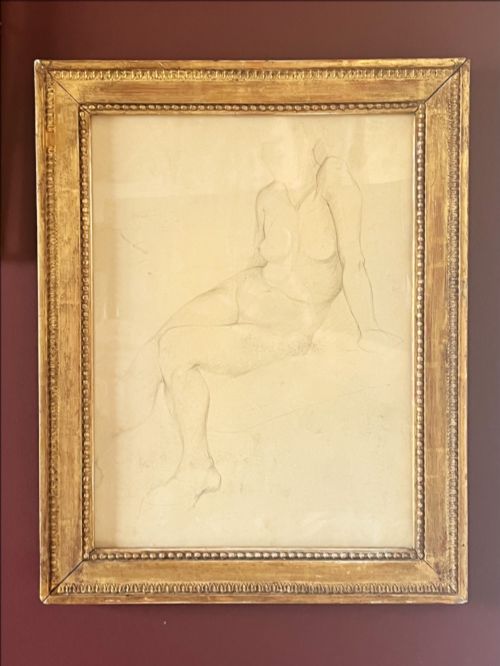
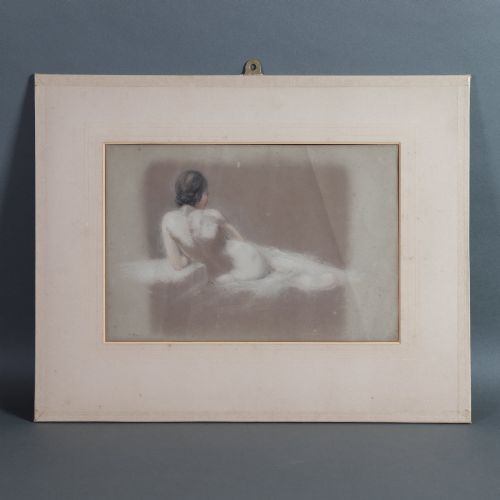
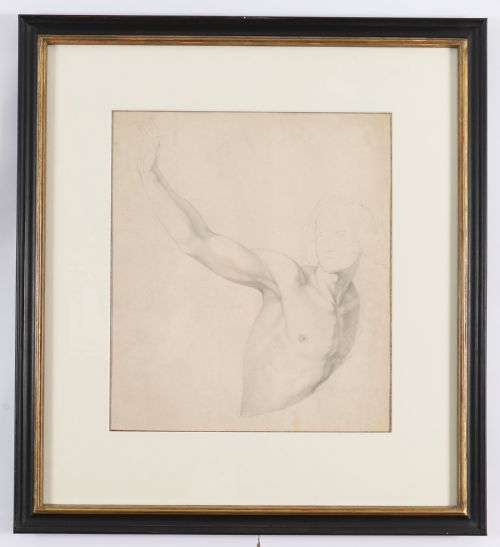
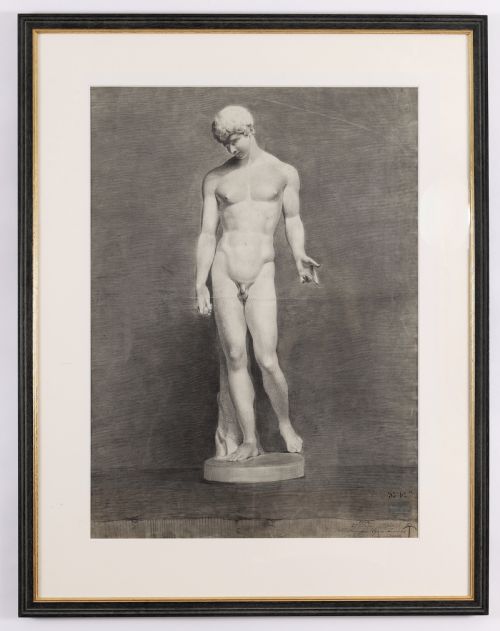
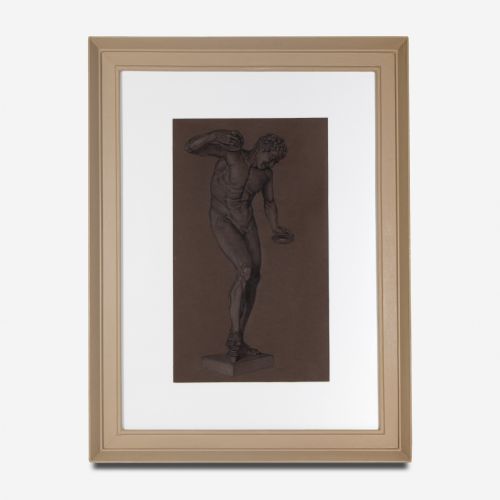
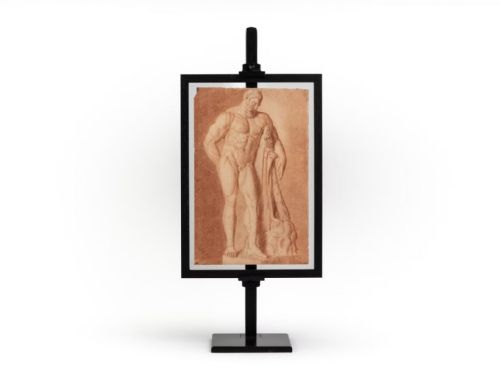
A classical nude drawing brings the disciplined study of the human form into your room through charcoal, graphite, chalk and ink.
Classical Nude Drawing
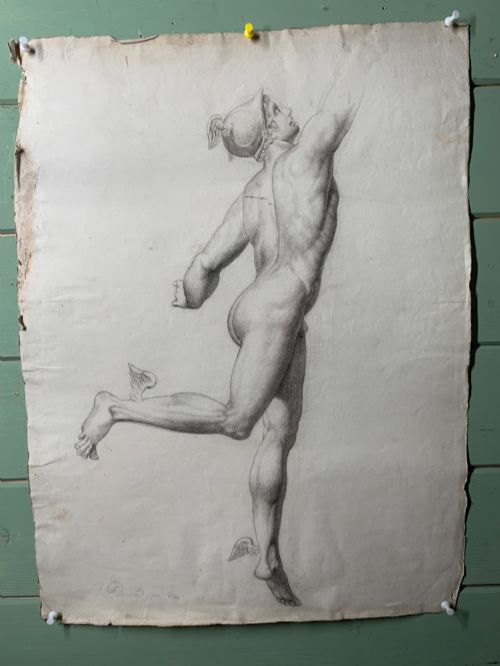
A classical nude drawing records the human form through academic study, capturing figures like Hermes, Hercules Farnese and the Capitoline Antinous.
You will encounter works executed across several periods, including the eighteenth century, the Georgian era, the nineteenth century and nineteen-sixty.
These pieces appear primarily as framed artworks, drawings and prints on paper, often preserved in antique gilt wood and wooden frames.
How they were made
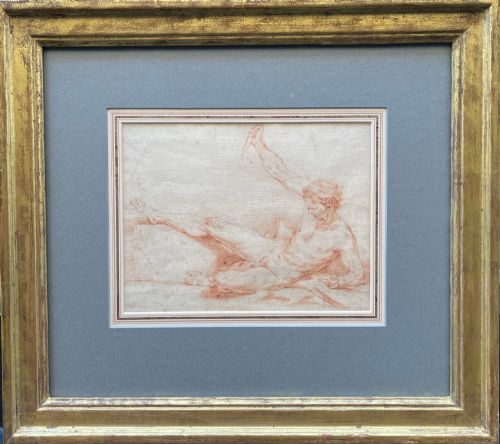
Draftsmen worked on paper and toned paper utilising mediums such as charcoal, graphite, red chalk, pen and ink, and bodycolour.
Artists created life studies and academic submissions, sometimes working on both sides of the sheet in recto and verso formats.
Periods represented stretch from the eighteenth century and Georgian era through the nineteenth century to nineteen-sixty.
What varies in quality
Quality rests in the precision of anatomical rendering and the sureness of line found in academic art and Italian old master traditions.
The sophistication of the secondary support, such as period gilt wood framing, alters the overall presence of the piece.
William Etty·Hyacinthe Colin de Vermont·Henry Arthur Roberts·Pierre-Paul Prud'hon·William Edward Frost·Pablo Picasso
The Classical Nude Drawing Glossary
- Academic Realism
- A style of painting and drawing produced under the influence of European academies of art. It prioritises precise anatomical accuracy and classical subject matter.
- Recto and Verso
- The front and back of a single sheet of paper. Drawings occasionally appear on both sides from periods when paper was a costly resource.
- Red Chalk
- Sanguine chalk used extensively for figure studies. It allows artists to model musculature and tone with subtle warmth.
- Bodycolour
- Watercolour mixed with a white pigment to make it opaque. It adds solid highlights to charcoal and chalk drawings on toned paper.
- Academic Art
- A style born from the standards of French academies and the Prix de Rome. It emphasises mythological and classical figures.
Classical Nude Drawing: Frequently Asked Questions
What is a life study?
A life study is a drawing executed directly from a living model. These works served as foundational training for artists in academic settings.
Such drawings focus on capturing accurate musculature, posture and shadow without necessarily creating a finished narrative scene.
How should I frame these works?
Many pieces come in period gilt wood or wooden frames that complement their academic origins. Preserving these surrounds maintains the historical context of the drawing.
Use conservation mounting with acid-free materials to protect fragile paper, charcoal and chalk from deterioration.
What is an Italian old master style?
This style reflects the techniques and compositions developed by classical Italian painters and draftsmen. It often mirrors antique statuary and mythological themes.
Artists working in this tradition prioritised idealised human proportions and theatrical lighting derived from classical sculpture.
Why use toned paper?
Toned paper provides a neutral or coloured mid-value ground for the artist. This allows rapid application of dark charcoal and bright white highlights.
Draftsmen utilised this method to build volume and three-dimensional form with greater speed during life drawing sessions.