





Fruitwood Country Furniture
Fruitwood country furniture brings domestic warmth through honest timbers shaped in Georgian workshops and French provincial farmhouses.
Fruitwood Country Furniture
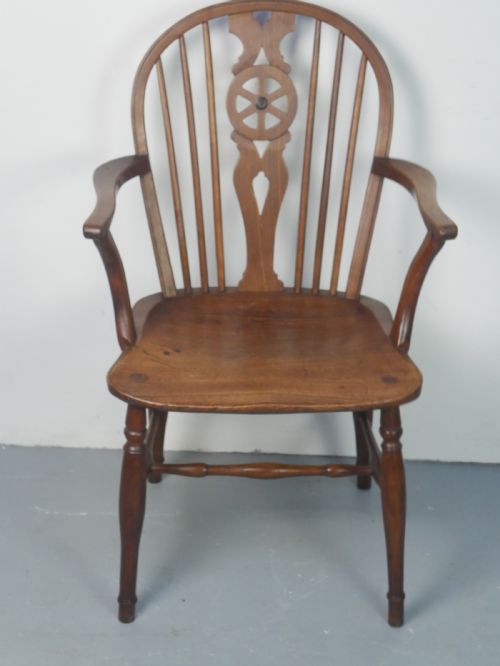
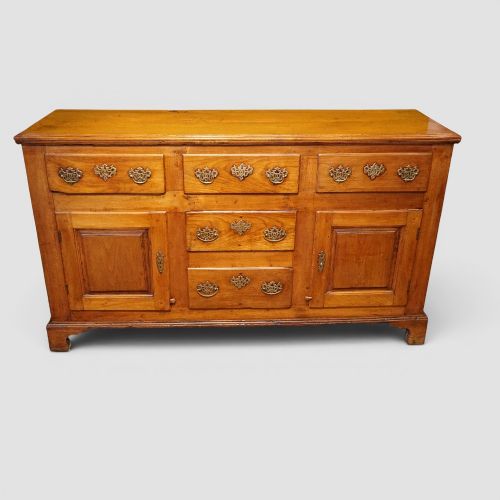
Fruitwood country furniture encompasses domestic seating, storage and tables fashioned from regional timbers like cherry and pear in local workshops. When you search for fruitwood country furniture, you encounter practical forms ranging from vernacular Windsor armchairs to dresser bases and sideboards.
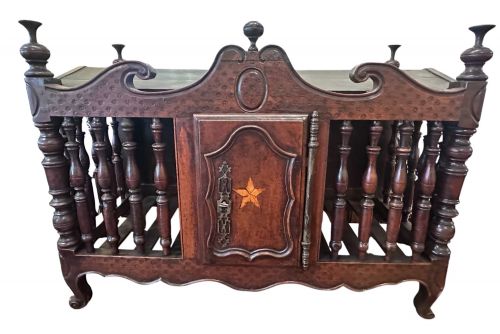
The pieces on this page span several centuries, featuring 17th century vernacular items alongside Georgian and Regency examples, plus French provincial pieces. These household items were built for daily use rather than formal display, resulting in sturdy proportions and unpretentious character.
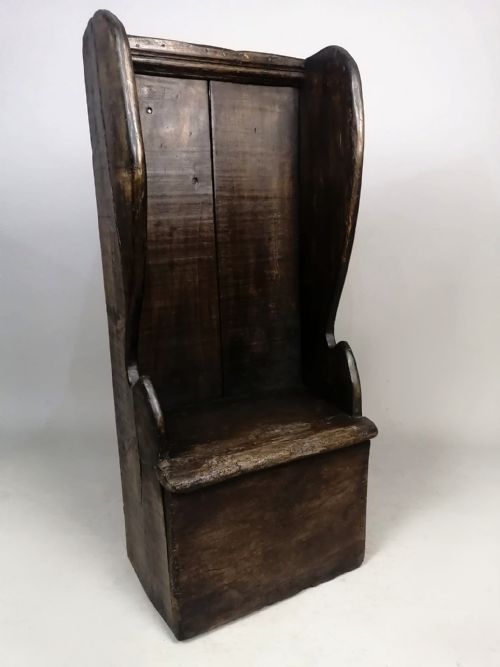
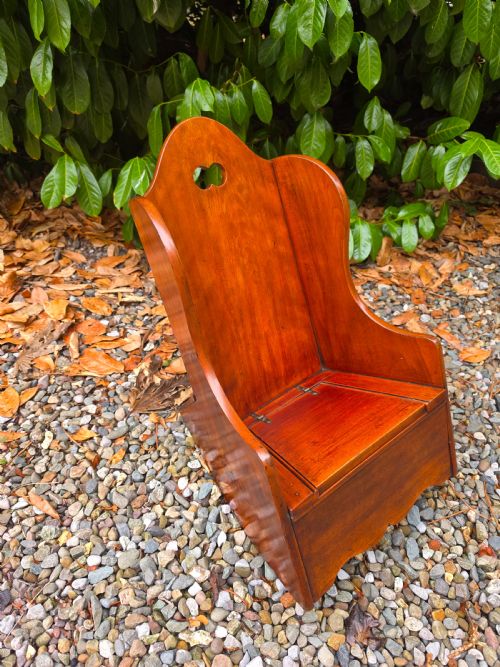
Forms vary from child's potty rockers and lambing chairs to large plate back dressers, corner chairs and harvest serving tables. English and French regional traditions dominate, showing how local makers utilised whatever woods grew close to hand.
What varies in quality
Quality rests in the integrity of the timber selection and the depth of the natural patination developed over centuries. Pieces retaining their original surface finish and unblemished structural unity stand apart from those with extensive timber replacement.
Proportion and the ingenuity of the vernacular design dictate the standing of individual items. A well-balanced Windsor armchair with a comb back or a thoughtfully constructed dresser base demonstrates superior regional craftsmanship compared to heavier, uninspired utility pieces.
Fruitwood Country Furniture Retail Price Guide 2026
Typical asking prices for fruitwood country furniture among the pieces listed under this phrase on Sellingantiques today, from the lower quarter to the upper quarter. They describe what is for sale here now, not the wider market.
Several items were built down to child-size, including miniature potty rockers and lambing chairs for tiny rural residents.
The Fruitwood Country Furniture Glossary
- Vernacular
- Items built by local tradesmen for everyday rural use rather than following strict high-style London or Parisian fashions. This approach prioritised local materials and practical utility.
- Windsor armchair
- A wooden seating form featuring a solid carved saddle seat into which legs and stick-back spindles are wedged directly. These chairs often combine several timber types in a single frame.
- Dresser base
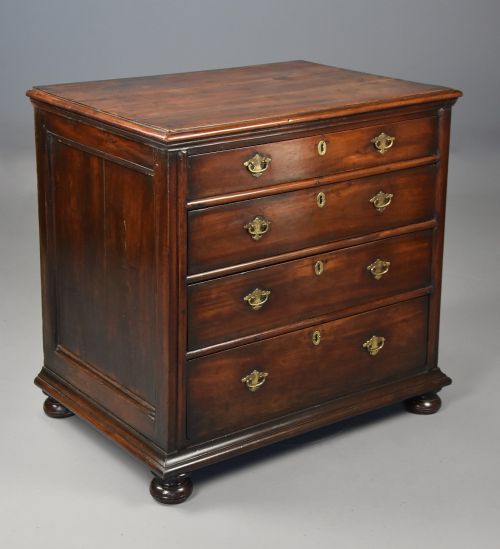
- A low storage unit fitted with drawers and sometimes cupboards beneath a flat top surface, used in kitchens and dining rooms. They provide robust horizontal workspace alongside enclosed storage.
- Patination
- The gradual softening of tone and texture that develops on wooden surfaces through decades of handling, light exposure and polishing. It marks genuine age and continuous use.
- Cricket table
- A small, light table traditionally featuring three splayed legs and a circular top. This stable tripod design prevented rocking on uneven flagstone floors.
Fruitwood Country Furniture: Frequently Asked Questions
How do I care for fruitwood?
Care for fruitwood involves maintaining stable indoor humidity and applying natural beeswax periodically to nourish the dry timber. Avoid placing pieces near direct heat sources or strong sunlight to preserve the surface colour.
Gentle dusting with a soft, dry cloth protects the historic patination without stripping away the character accumulated over centuries.
Are these pieces English or French?
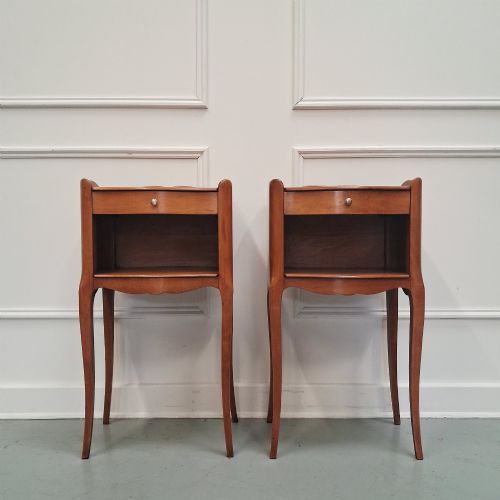
The pieces span both traditions, encompassing English vernacular items alongside French provincial and Directoire examples. English pieces often include Windsor chairs and Welsh dressers, while French listings feature harvest tables and bedside cabinets.
Local regional styles dictate the specific construction details and timber combinations found across different geographic origins.
How old are these items?
The pieces range from the late seventeenth century through the Georgian and Regency eras up to early twentieth-century French items. Earlier examples display hand-carved details and seventeenth-century vernacular framing techniques.
Later nineteenth-century pieces reflect continued rural traditions adapting to changing domestic needs in farmhouses and country homes.