



Frosted Glass Plates
Frosted glass plates bring tactile texture and translucent depth to a table setting, offering a refined alternative to clear crystal.
Frosted Glass Plates
Frosted glass plates encompass decorative dishes and serving pieces defined by a matte or satin finish, emerging in periods ranging from the nineteenth century through the art deco era. You will encounter Victorian examples alongside striking twentieth-century designs created during the height of art nouveau and art deco movements.
The selection on this page includes decorative plates alongside related glass forms such as centrepieces, dishes, and decanters. These pieces highlight the evolution of tactile glass surfaces across distinct historical decades.
Makers and designers of this period utilised varied production techniques to achieve the characteristic frosted appearance on plates and bowls. The surviving pieces demonstrate the enduring appeal of satin-finished glassware in historic table settings.
How they were made
Manufacture relied primarily on moulded or blown glass that underwent acid-etching, sandblasting, or chemical treatments to create the signature frosted or opaque texture. Artisans shaped these materials into robust decorative plates and serving vessels capable of daily use.
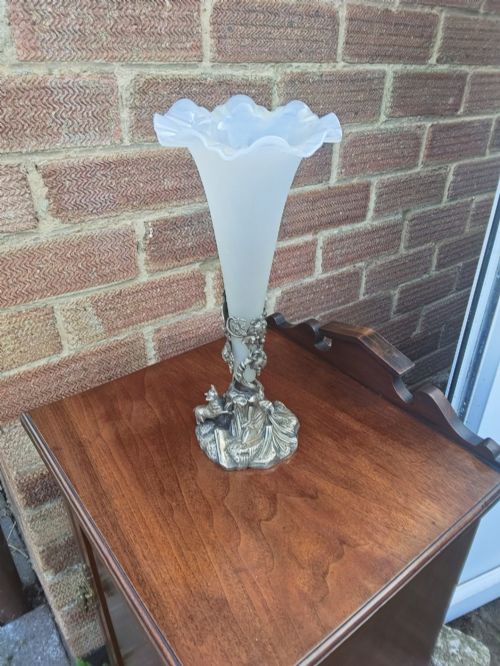
Many pieces combined the frosted glass element with mounts or bases fashioned from white metal, silver plate, or heavier metals. This dual-material approach provided structural stability to delicate glass bowls and plates.
Frosted Glass Plates Retail Price Guide 2026
Typical asking prices for frosted glass plates among the pieces listed under this phrase on Sellingantiques today, from the lower quarter to the upper quarter. They describe what is for sale here now, not the wider market.
Some nineteenth-century designers believed frosted glass plates helped suppress unwanted table glare during formal evening banquets.
What varies in quality
Quality rests in the crispness of the moulded detail and the uniformity of the frosted finish across the surface of the plate. Finer pieces display sharp relief in figurative or geometric motifs rather than soft or blurred edges.
The integration between the glass body and any metal mountings, such as silver-plated rims or stands, dictates the overall integrity of the piece. Superior examples maintain a harmonious balance between the tactile glass and its structural framework.
René Lalique·Verlys·WMF
The Frosted Glass Plates Glossary
- Frosted glass
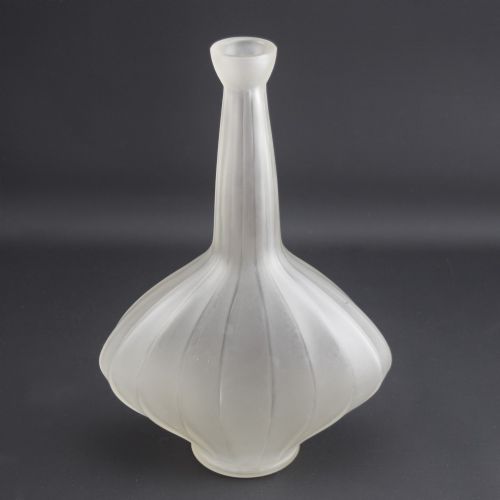
- Glass treated to scatter light and create a translucent, matte surface rather than a transparent finish. This effect is achieved through acid etching or mechanical abrasion.
- Opalescent glass
- Glass containing ingredients that cause it to milky-blue or fire-like appearance when illuminated from different angles. It often appears alongside frosted sections in decorative tablewares.
- Opaque glass
- Non-translucent glass that conceals what lies behind it while retaining a smooth or textured exterior. It served as a popular base material for Victorian and twentieth-century decorative items.
- Art Deco
- A design style spanning the 1920s and 1930s characterised by stylised motifs, symmetrical geometry, and clean lines. Plates from this era often feature bold sculptural reliefs.
- Art Nouveau
- An artistic movement from the late nineteenth and early twentieth centuries inspired by natural organic forms and flowing lines. Pieces from this period frequently incorporate plant and figure motifs.
Frosted Glass Plates: Frequently Asked Questions
What are frosted glass plates?
These are decorative or serving dishes finished with a matte, satin surface that diffuses light. They range from Victorian utility pieces to artistic twentieth-century editions.
Collectors value them for their tactile qualities and the way their translucent surfaces catch candlelight or daylight on a dining table.
How do I clean frosted glass plates?
Wash them gently by hand using warm water and mild dish soap with a soft cloth. Avoid harsh scrubbing brushes that can scratch the delicate matte finish.
Keep metal mounts dry and polished separately to prevent tarnishing the surrounding silver plate or white metal components.
Are frosted glass plates fragile?
Most antique pieces require careful handling due to their age and the delicate nature of moulded glass edges. Storing them on padded surfaces prevents chipping along the rims.
Displaying them away from high-traffic table edges ensures they remain secure while on view.
How do I date frosted glass plates?
Dating relies on stylistic clues such as the geometric lines of art deco or the organic curves of art nouveau. Maker marks and the presence of silver-plated mounts also help place pieces within the nineteenth or twentieth century.
Comparing the manufacturing technique and glass opacity provides further context for the period of origin.