

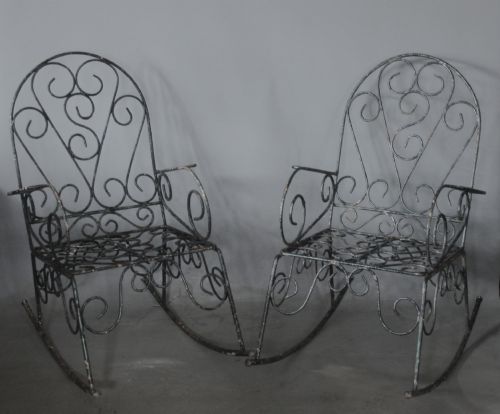
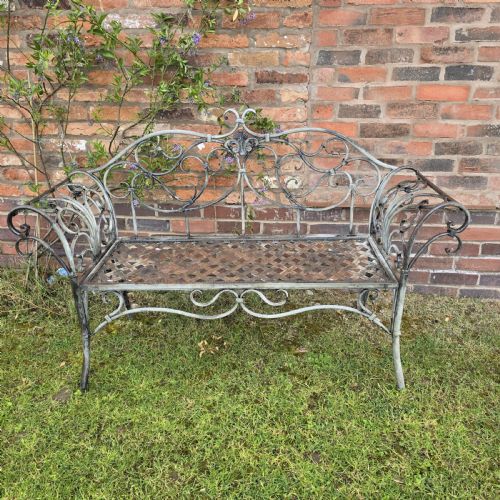


French Wrought Iron Furniture
French wrought iron furniture brings enduring structure and patinated utility to interiors and gardens alike.
French Wrought Iron Furniture
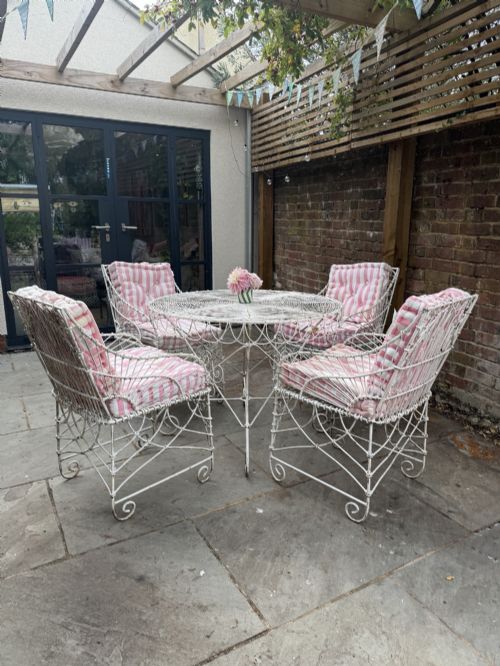
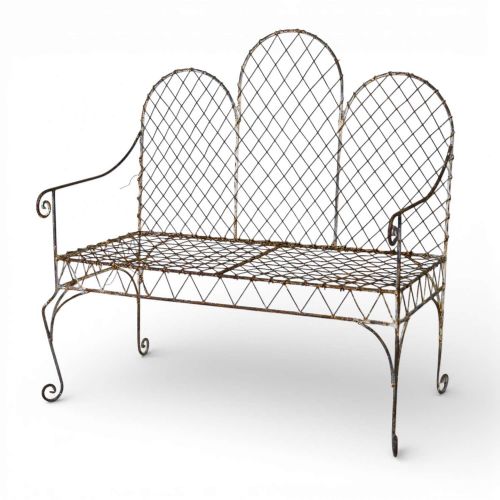
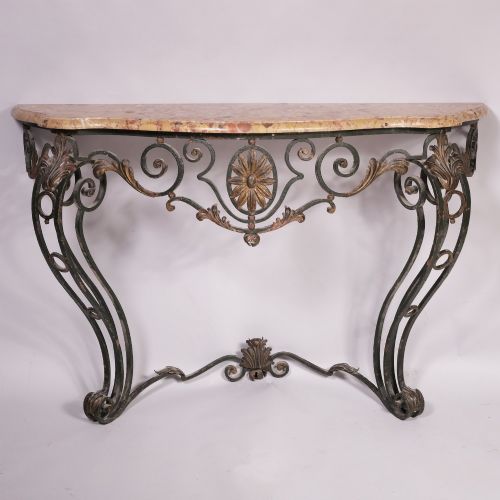
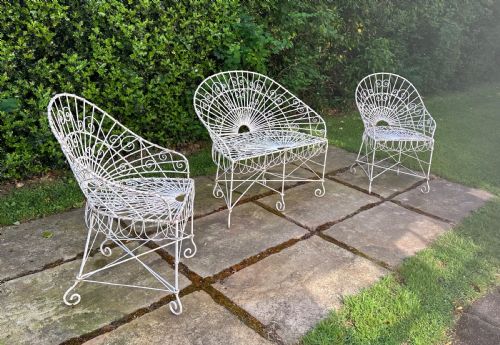
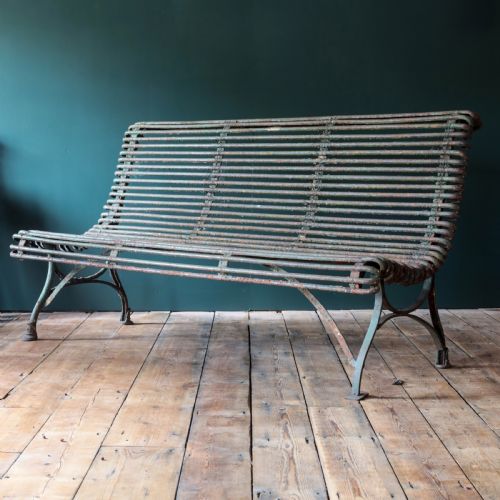
When you search for french wrought iron furniture, you encounter a robust mix of utilitarian and decorative forms shaped for gardens, bakeries, and domestic halls. The selection includes garden benches, bistro sets, bakers racks, and console tables originating across the nineteenth and early twentieth centuries. These pieces reflect specific regional workshops and Parisian city life, spanning styles from Victorian wirework to Gothic Revival.
You are most likely to meet practical garden seating and bakers racks on this page, often paired with marble tops or retaining remnants of original paint. Dining sets and side tables also appear frequently, spanning decades from the eighteen-eighties through the nineteen-forties. Each object demonstrates the heavy-duty practicality demanded by French artisans, patissiers, and gardeners of the era.
Materials and Construction
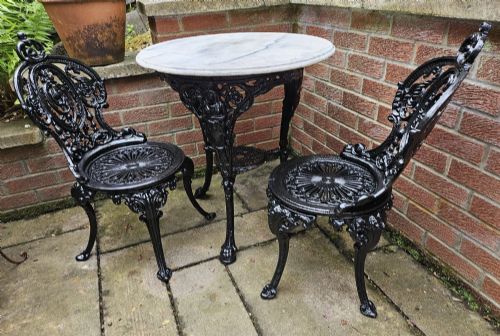
Makers shaped these items primarily from wrought iron and steel, utilising forging and riveting techniques to build rigid, load-bearing frames. Cast iron components frequently appear on bistro bases and garden sets, providing heavier structural weight and intricate moulded detail. Sheet metal, brass, and wirework supplement the primary ironwork, particularly on storage racks and decorative garden tables.
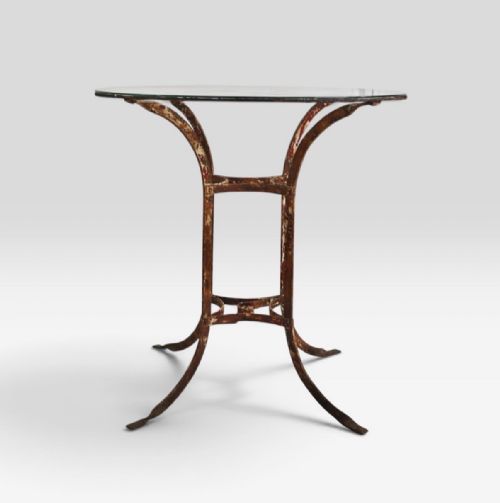
Surfaces were frequently finished with paint or left to weather naturally, developing a distinct patinated skin over decades of exposure. Marble slabs and glass panels were frequently fitted to console tables, wash stands, and bakers racks to create durable, wipe-clean surfaces. These combined materials ensure each piece retains both industrial utility and handcrafted character.
Several heavy-duty items retain their original artisanal vices and bread-cooling grime, proving they worked harder than most of us ever will.
Assessing the Pieces
The distinction between ordinary utility items and exceptional examples rests upon the refinement of the forging and the integrity of the original components. Pieces bearing maker stamps or originating from notable urban workshops demonstrate superior hand-finishing in their scrolls and structural joints. The survival of original paint remnants and intact marble or glass tops elevates the integrity of individual survivors.
Proportion and scale also dictate distinction, particularly within large bakers racks and serpentine console tables designed for grand interiors. Pieces retaining matching sets of chairs or benches display a higher degree of historical completeness. Ultimately, the visual depth of the aged surface skin separates routine metalwork from pieces with genuine presence.
Dubois of Lyon
The French Wrought Iron Furniture Glossary
- Bakers Rack
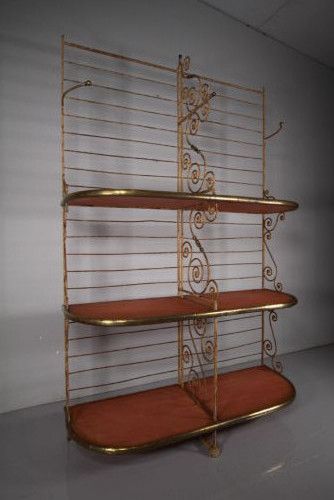
- A tall multi-tiered metal shelving unit originally utilised in French bakeries for cooling bread and pastries. These pieces feature open wirework or strap metal shelves designed for heavy commercial use.
- Arras Bench
- A specific style of heavy metal garden seating originating from the French town of Arras, known for curved slat construction and stamped foundry plates. They represent a high standard of nineteenth-century French park furniture.
- Bistro Set
- A small matching table and chair grouping designed for outdoor dining or café use. They typically fold for easy storage and utilise lightweight iron or steel frames.
- Wirework
- A decorative technique employing woven or bent metal wire to create permeable surfaces on garden tables and plant stands. This method gained popularity during the Victorian era for exterior display pieces.
- Console Table
- A wall-mounted or freestanding table featuring a narrow profile, frequently topped with marble or stone. These items served formal reception rooms and hallways.
French Wrought Iron Furniture: Frequently Asked Questions
How do I maintain outdoor metal furniture?
Keep the metal clean and dry where possible, and apply protective wax or specialised sealants if keeping pieces exposed to harsh winter weather.
Allow patinated paint remnants to age naturally without aggressive scrubbing, as the weathered surface forms part of the historical character.
Were bakers racks used outdoors?
Bakers racks were strictly indoor commercial furnishings utilised within French patisseries and bakeries for cooling and storing baked goods.
Their heavy wrought iron and steel construction allows them to transition into modern kitchens, conservatories, and covered outdoor living spaces.
How do I date a piece of metal furniture?
Examine the construction methods, noting whether components are hand-forged with visible hammer marks or machine-cast with uniform precision.
Compare the style against documented periods like Victorian wirework or Art Deco, while checking for maker stamps and original paint layers.
Can marble-topped tables stay outside?
Marble tops are susceptible to frost damage and staining if left unprotected in damp gardens during freezing winter months.
Store marble tops indoors or under solid cover during severe weather to preserve the stone and its underlying iron base.