

French Wooden Furniture
French wooden furniture brings substance and character into a room through honest timber and centuries of regional design.
French Wooden Furniture
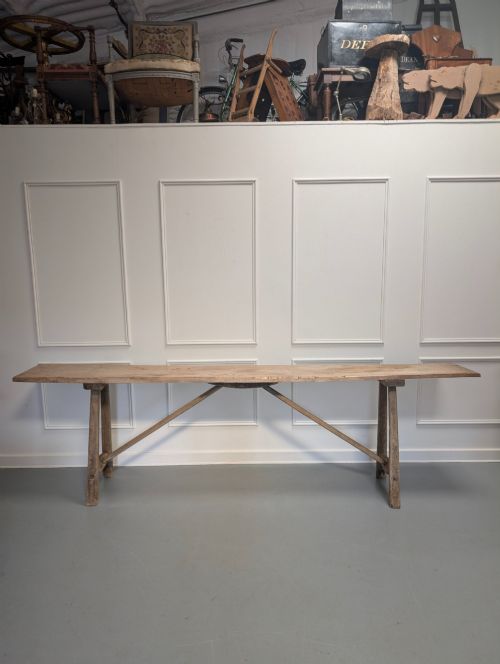
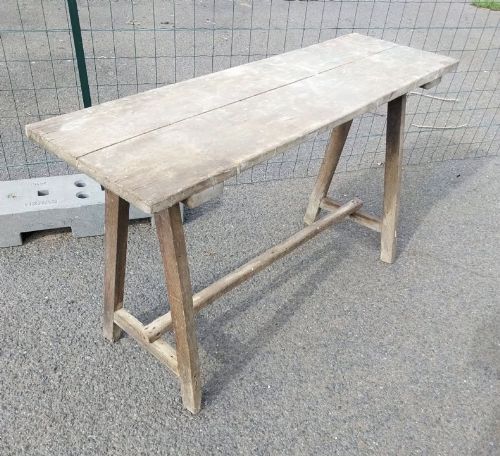
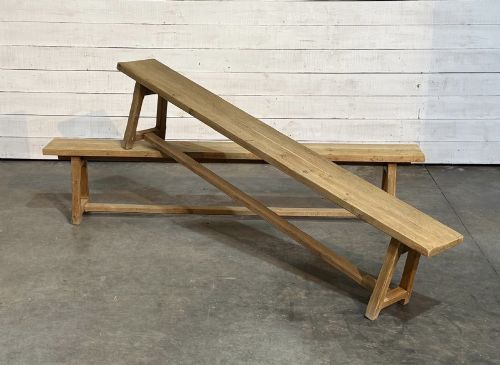
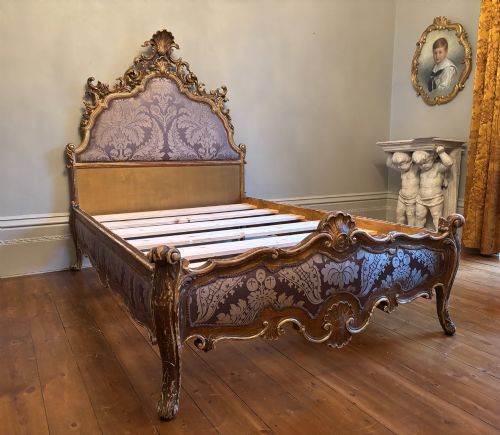
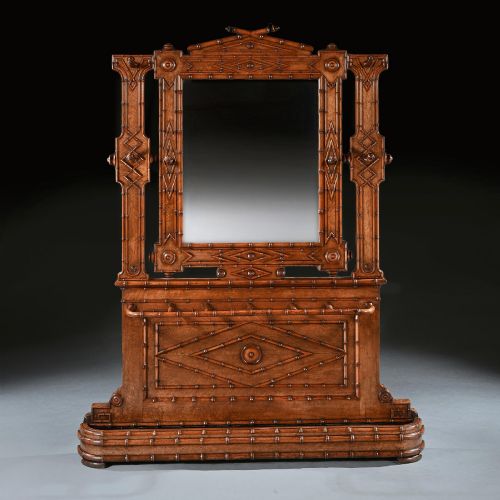
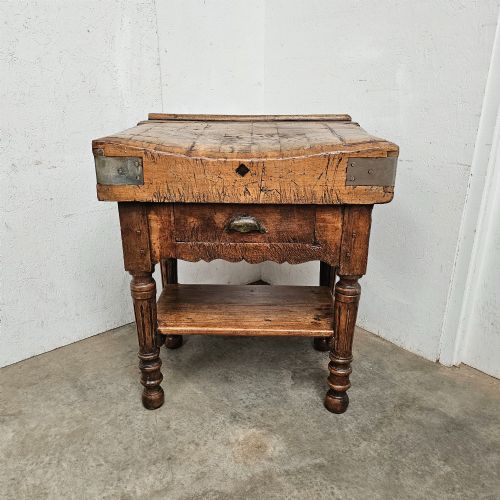
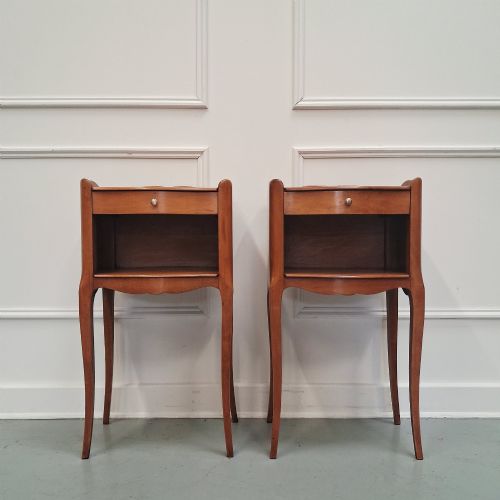
French wooden furniture spans practical utility and ornamental expression, taking the form of robust laundry tables, commodes, writing desks, and occasional tables. Buyers seeking pieces with genuine age will encounter regional work alongside formal revival pieces.
The material record relies heavily on walnut, oak, elm, and cherry for structural integrity, with rosewood, kingwood, and mahogany appearing in refined cabinetry. Pieces trace origins from provincial farmhouses to chateaux and urban workshops across multiple centuries.
Materials and Construction
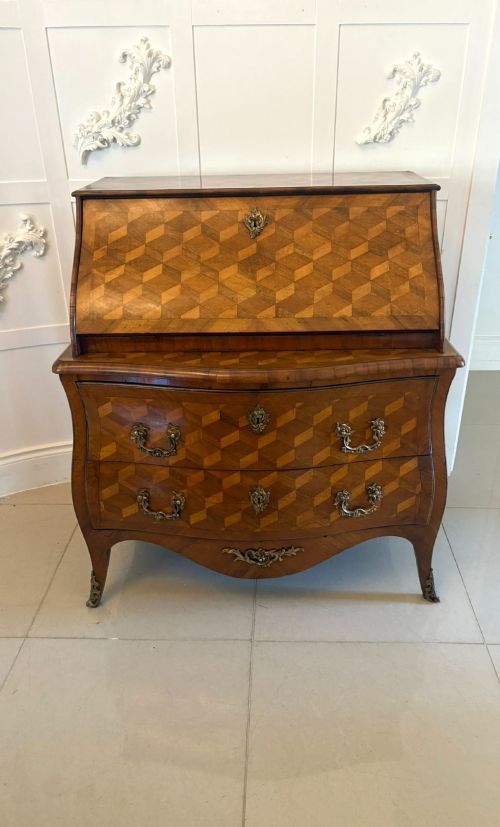
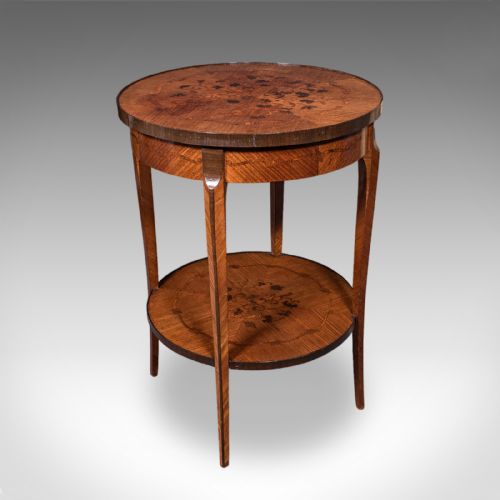
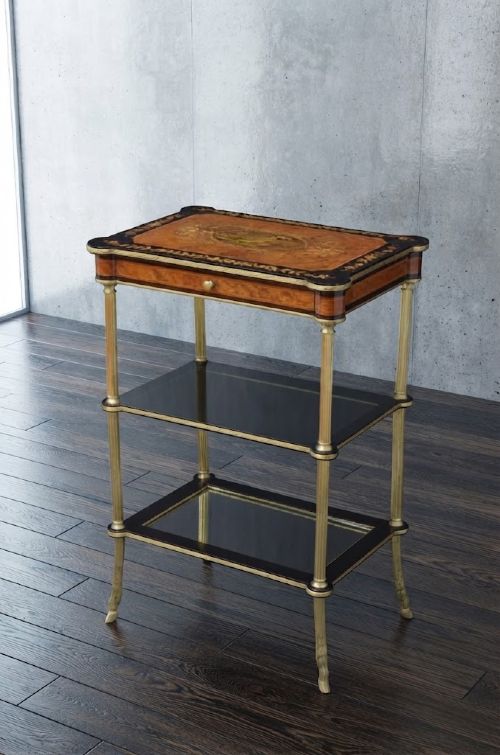
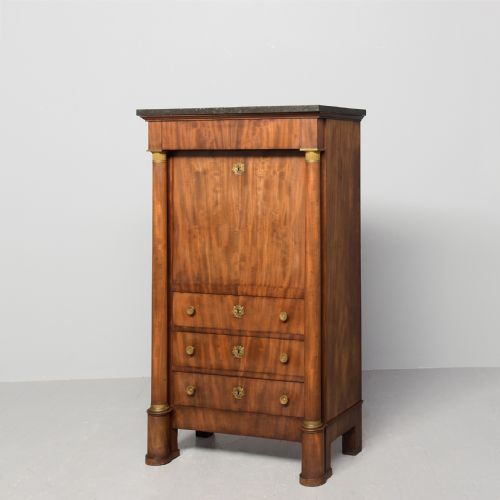
Makers utilised solid native hardwoods such as oak, elm, and walnut for heavy-use pieces, applying parquetry and marquetry veneers of rosewood, kingwood, and birdseye maple for decorative surfaces. Metal mounts in brass and ormolu often secure corners and frame drawers.
Joinery relies on traditional hand-cut techniques appropriate to the period, while surface treatments range from plain waxed timber and original paint finishes to ebonised and polished execution.
Materials span brass, oak, walnut, mahogany, ormolu, metal, pine, and rosewood across various furniture forms.
Craftsmanship and Proportion
Quality rests in the integrity of the timber selection and the precision of the joinery, distinguishing utilitarian items from master cabinetwork. Finely figured burr elm or intricate inlay elevate a commode or bureau far above standard production.
Proportion and surface preservation dictate the standing of a piece, where original patination, unaltered hardware, and balanced proportions hold greater weight than later restoration.
Jacob Desmalter·Tehan
The French Wooden Furniture Glossary
- Bombe
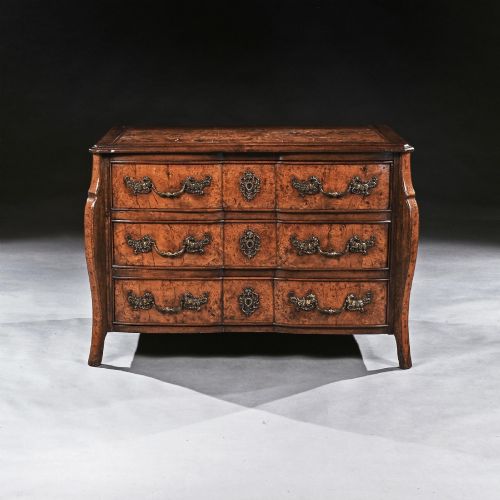
- A swelling, outward-curving chest or commode front typical of mid-eighteenth-century design. This curved profile requires advanced mastery of veneer and timber shaping.
- Parquetry
- Geometric patterns formed by fitted wood veneers on furniture surfaces. It creates durable and visually rich decorative panels.
- Marquetry
- Detailed pictorial or abstract designs assembled from various coloured wood veneers. Artisans use contrasting timbers to build complex floral or architectural scenes.
- Semainier
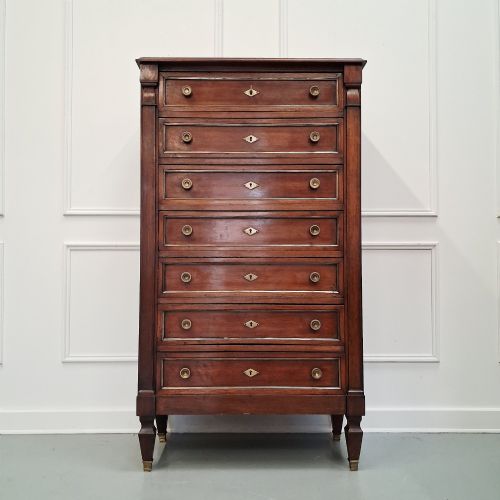
- A tall, slender seven-drawer chest designed to hold a week of linen or personal items. This form originated in France during the eighteenth century.
- Fauteuil
- An open-armed upholstered armchair with exposed wooden framing. The style evolved through successive royal reigns with distinct carved details.
French Wooden Furniture: Frequently Asked Questions
How do I date French wooden furniture?
Dating relies on examining the timber species, joinery methods, and hardware style against known period characteristics. Provincial pieces often retain vernacular traits that persist across decades.
Secondary woods inside drawers and the presence of hand-cut nails or tool marks provide further physical evidence for establishing an approximate era.
What is provincial French furniture?
Provincial furniture refers to pieces made in the regions outside Paris, prioritising local timbers like cherry, elm, and chestnut. These items reflect rural utility and regional character rather than courtly fashion.
Makers adapted urban styles to local materials, resulting in simpler lines and robust construction suited to everyday country life.
How should I care for antique wood?
Maintain antique wooden surfaces by dusting with a dry cloth and applying natural beeswax sparingly when the timber appears dry. Avoid placing pieces near direct heat sources or strong sunlight.
Stable indoor humidity prevents the timber from splitting and protects delicate veneers and original finishes from degradation.
What is a commode?
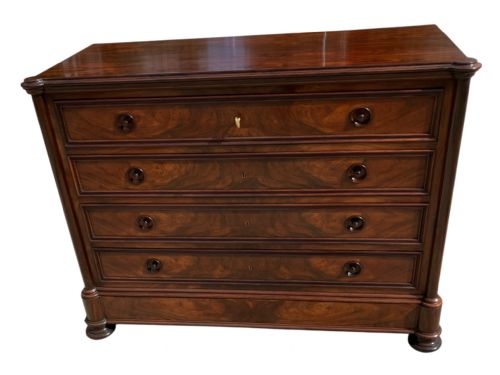
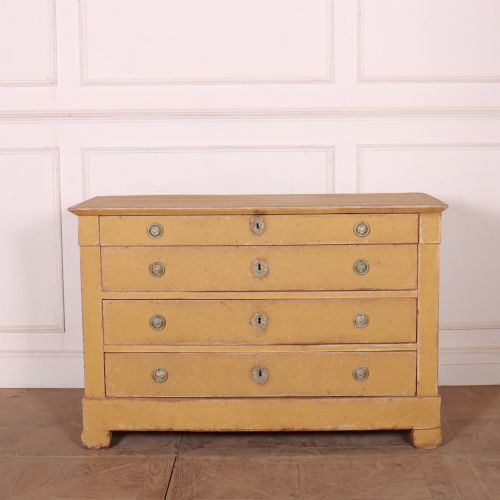
A commode is a low chest of drawers designed primarily for domestic storage in bedrooms or reception rooms. French examples often feature serpentine fronts, marble tops, and elaborate veneer work.
Over time, the form transitioned from a functional storage piece into a focal point for decorative display.