






French Wooden Couch
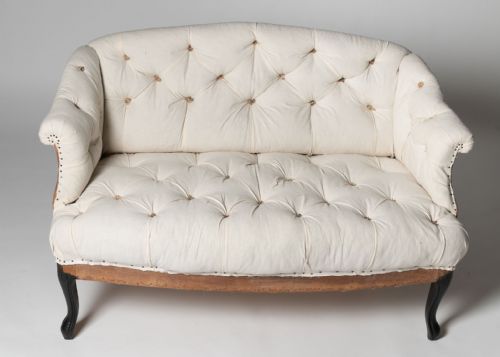
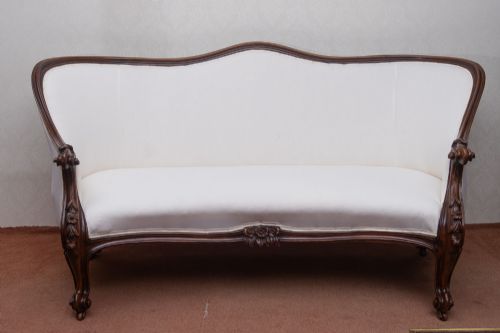
A french wooden couch brings warmth and character to a room, offering classic seating crafted from walnut, mahogany, and giltwood.
French Wooden Couch
A french wooden couch encompasses settees, sofas, and canapes originating from various periods including the eighteenth and nineteenth centuries. These seating options display distinct regional and period styles such as Louis XV, Louis XVI, Gustavian, and Rococo Revival.
Buyers will encounter items built from walnut, mahogany, and painted wood, often paired with cane work, linen, velvet, or traditional fabric upholstery. Forms range from small painted canework couches to large salon settees and three seater couches.
Pieces from this selection bridge formal nineteenth century design and earlier eighteenth century craftsmanship. Each example provides a glimpse into historical seating furniture utilised in grand salons and domestic interiors alike.
How they were made
Carpenters shaped these frames from solid hardwoods like walnut and mahogany, alongside softer woods selected for painted finishes. Carving was executed by hand, creating intricate motifs on the wood surfaces before gilding or painting was applied.
Canework techniques involved weaving natural cane through frame apertures to form supportive seats and backs. Upholstered variants utilised traditional stuffing materials encased in linen, velvet, or antique fabric.
French Wooden Couch Retail Price Guide 2026
Typical asking prices for french wooden couch among the pieces listed under this phrase on Sellingantiques today, from the lower quarter to the upper quarter. They describe what is for sale here now, not the wider market.
Many of these wooden couches survived centuries of shifting drawing room fashions simply because they were too comfortable to discard.
What varies in quality
The refinement of the hand carving dictates much of the visual distinction across these frames. Crisp, deep contours on walnut and mahogany demonstrate superior artisan skill compared to softer, shallower execution.
The integrity of the structural timber and the preservation of original paint, gilt, or cane work elevate certain examples. Integration between the wooden frame and the upholstery method maintains the historical proportion and stability of the piece.
The French Wooden Couch Glossary
- Canape
- A traditional French settee or sofa featuring an upholstered back and seat, often with exposed wooden framing. These seating forms were staples of period drawing rooms.
- Giltwood
- Timber coated with a thin layer of gold leaf or gilt powder. This finish adds reflective brilliance to formal salon furniture.
- Gustavian
- A Swedish style inspired by French neoclassical design, characterised by lighter painted wooden finishes and restrained proportions. It brings an airy elegance to wooden seating.
- Bergere
- An enclosed upholstered armchair or sofa with wooden frames, frequently incorporating cane work panels into the sides or back. It provides a comfortable, enclosed seating experience.
French Wooden Couch: Frequently Asked Questions
Where should I place a wooden couch?
These pieces suit living rooms, large hallways, or bedrooms where their historic wood frames can be appreciated. Position them away from direct heat sources to protect the timber and any original painted finishes.
Allow enough space around the settee to display its carved details and ensure comfortable access for daily use.
How do I care for wooden frames?
Dust the wood regularly with a soft, dry cloth to prevent dirt accumulation on carved surfaces. Avoid harsh chemical polishes that can damage antique painted or polished finishes.
Maintain stable indoor humidity levels to prevent the wood from drying out or the cane work from becoming brittle over time.
Can I reupholster these sofas?
Many period settees retain older upholstery or can be recovered to suit modern interiors. Traditional methods should be employed to preserve the structural integrity and historical character of the frame.
Consult a specialist upholsterer who understands antique furniture construction before undertaking any fabric replacement.
How do I identify different periods?
Stylistic cues such as cabriole legs, straight neoclassical tapered supports, or heavy rococo carving point toward specific eras like the eighteenth or nineteenth century. Examining the type of wood and construction joints also aids in dating the piece.
Comparing the decorative motifs against known historical styles helps clarify whether a settee belongs to the Victorian era or earlier French decorative movements.