

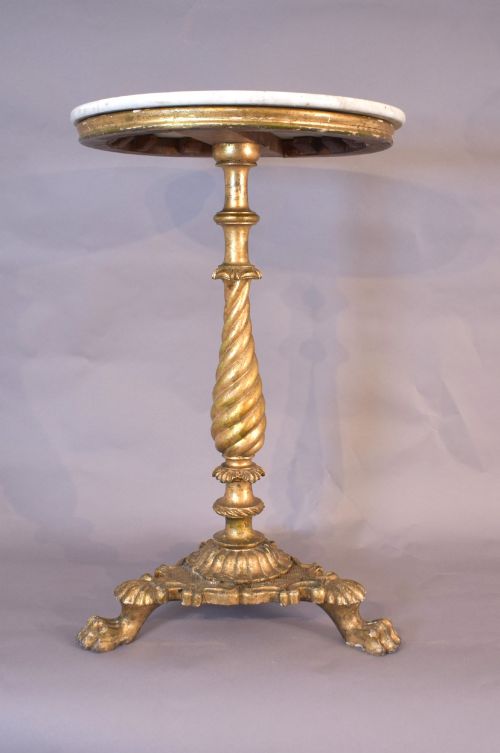
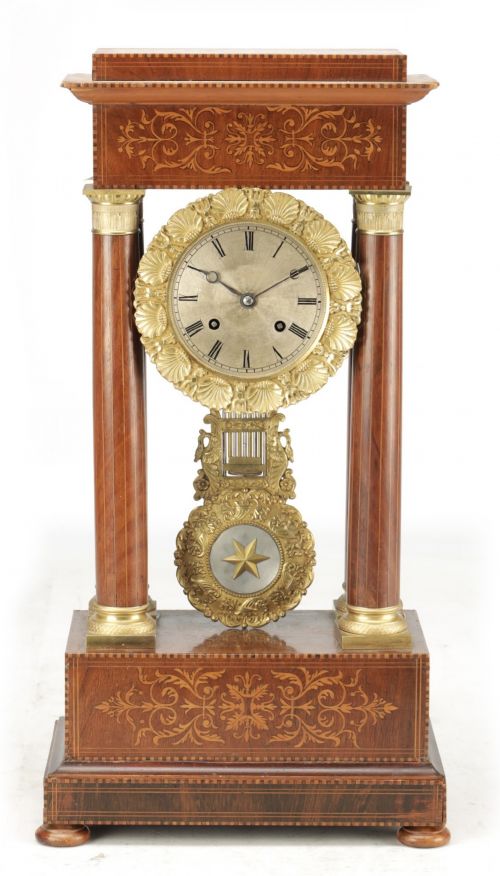
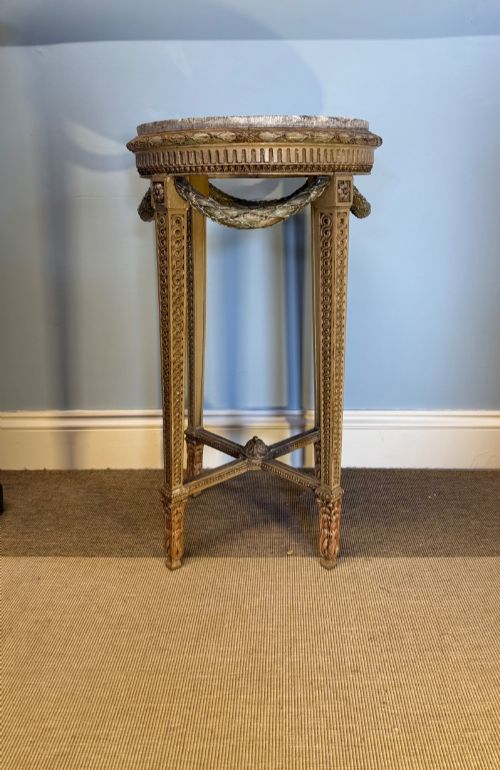
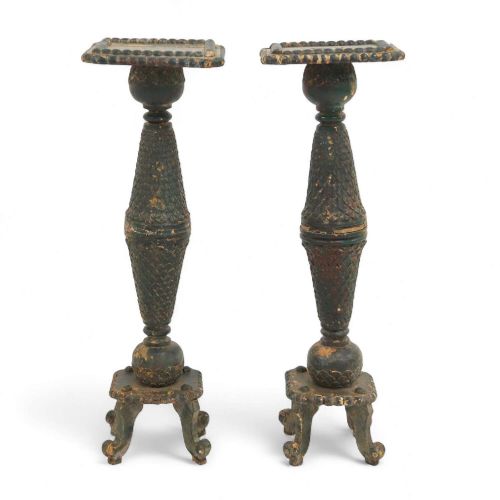


French Wood Column
These pieces known as a french wood column bring classical architectural form and warm timber texture into an interior.
French Wood Column
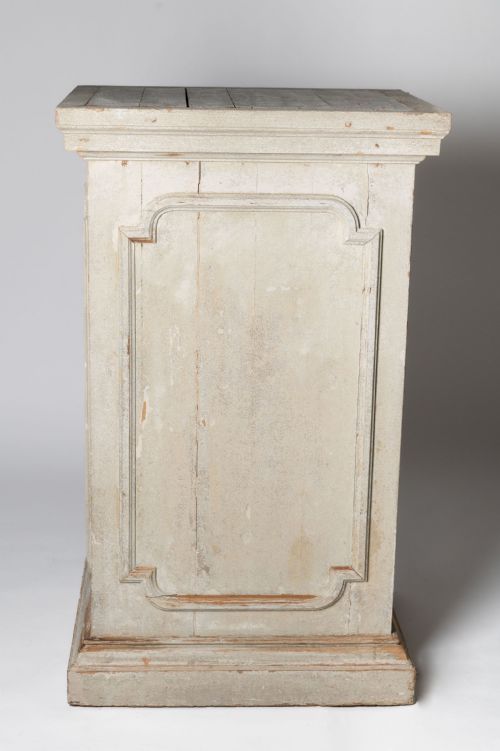
A french wood column takes many forms across pedestals, torcheres, mirror frames, and clock cases. The visitor to this selection will frequently encounter carved oak, mahogany, and painted timber structures dating from the nineteenth century.
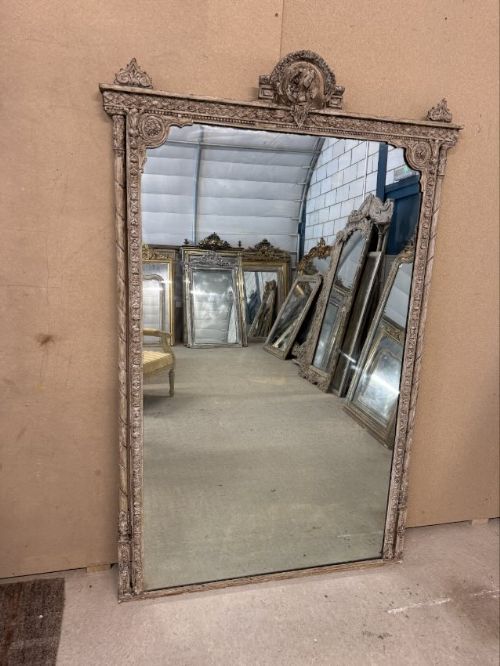
Makers shaped these supports to function as display stands for busts and plants, or integrated them into console tables and architectural mirrors. Many pieces reflect French Empire, Neoclassical, and Renaissance Revival design traditions.
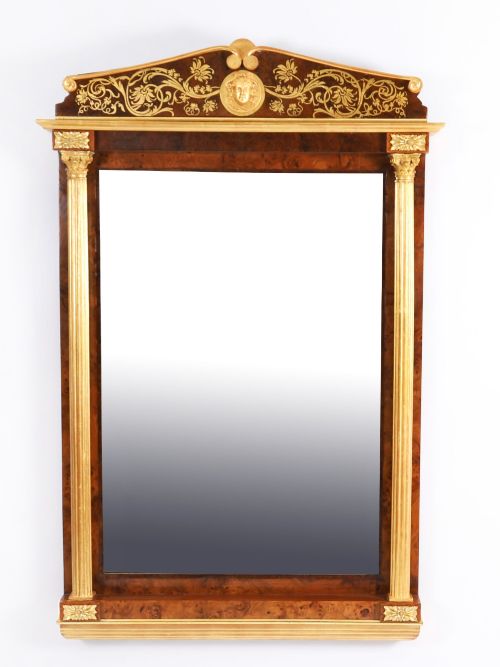
The selection ranges from tall freestanding torchere stands to architectural columns flanking wall mirrors. Oak and mahogany appear alongside painted and gilded surfaces.
How they were made
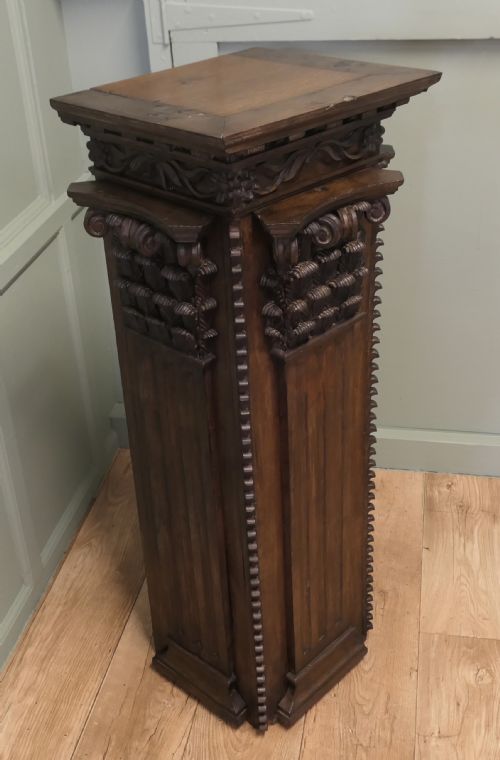
Carvers shaped solid oak, mahogany, burr walnut, and rosewood using traditional hand tools to create fluted shafts and decorative capitals. Joinery techniques varied according to the object type, from simple turned pedestals to complex architectural mirror frames.
Surfaces received diverse treatments including original paint, gesso, giltwood, ormolu mounts, and polished French polish. Marble and alabaster tops often provided a contrasting upper surface to the wooden columns below.
French Wood Column Retail Price Guide 2026
Typical asking prices for french wood column among the pieces listed under this phrase on Sellingantiques today, from the lower quarter to the upper quarter. They describe what is for sale here now, not the wider market.
Listings feature items from the seventeenth, eighteenth, nineteenth, and early twentieth centuries, constructed in oak, mahogany, rosewood, and walnut.
What varies in quality
The sophistication of the hand carving on capitals and fluted shafts defines the upper tier of these pieces. Crisp detail in gesso work and the preservation of original paint or gilding distinguish finer examples.
The quality of the timber, such as well-figured burr walnut or dense mahogany, contributes to the visual depth of the column. Integration of secondary materials like marble tops or ormolu mounts adds complexity to the construction.
MARGUERITE
The French Wood Column Glossary
- Torchere
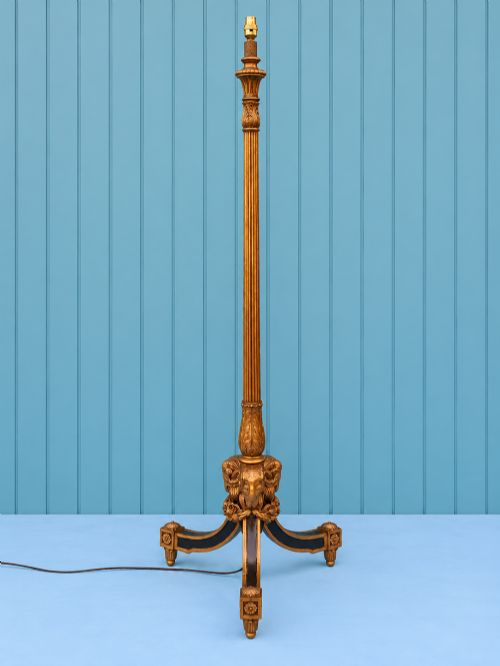
- A tall stand designed to hold a light or display an object such as a bust or plant. These tall wooden supports often feature carved columns and tripod bases.
- Portico clock
- A mantel clock built within an architectural frame supported by columns. These nineteenth-century timepieces frequently utilise mahogany, rosewood, and ormolu mounts.
- Giltwood
- Timber treated with gold leaf or gold paint to create a lustrous surface. This finish appears frequently on nineteenth-century mirrors and pedestals.
- Guéridon
- A small round table supported by a central column or pedestal. These tables often incorporate marble tops and painted wooden structures.
- Ormolu
- Gilt bronze mounts applied to furniture and clock cases. This decorative technique enhances the architectural detailing of columns and portico clocks.
French Wood Column: Frequently Asked Questions
What is a french wood column used for?
These pieces serve primarily as architectural supports or decorative display stands within an interior space. They elevate plants, clocks, and busts while adding sculptural vertical lines to a room.
Many examples function as structural frames for mirrors or form the central shaft of a torchere stand. Their design borrows heavily from classical architecture, translating stone orders into timber.
How do I date a wooden column?
Dating relies upon timber selection, surface finish, and stylistic vocabulary. Nineteenth-century pieces often display Neoclassical or French Empire Revival motifs.
Examination of the joinery and tool marks reveals the manufacturing methods of the period. Painted or gilded surfaces also provide clues regarding the era of production.
Where should I place a torchere stand?
A torchere stand suits corners, hallways, or flanking larger pieces of furniture where vertical height is required. They provide an elevated platform for display without occupying a large floor footprint.
Placement should protect delicate surfaces like original paint or giltwood from heavy traffic and direct sunlight.
What is the difference between a pedestal and a column?
A pedestal generally comprises a base, a vertical shaft, and a flat top designed specifically to support an object. A column may function as a freestanding structural support or as a decorative half-column attached to a mirror frame or piece of furniture.
Both forms utilise turned or carved timber, but their intended roles within interior decoration differ.