


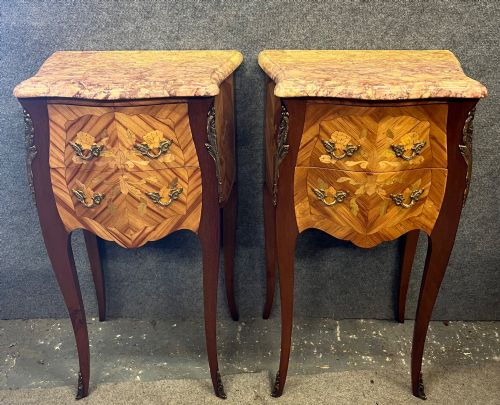


French Walnut Lamp Table
These french walnut lamp table pieces bring practical elegance to a room, offering compact surfaces rooted in continental cabinetry traditions.
French Walnut Lamp Table
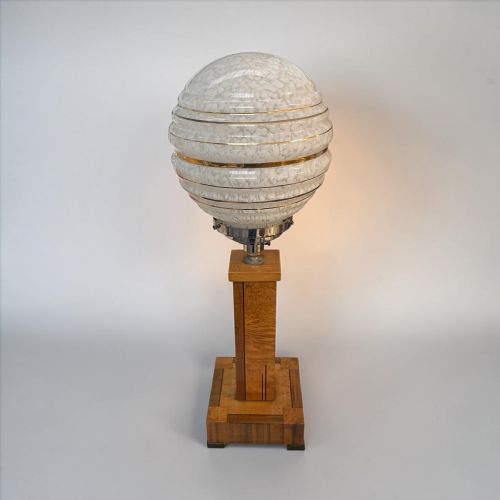
A french walnut lamp table is a compact occasional piece designed to sit beside seating or beds, functioning as a surface for illumination or small objects. The selection draws heavily on nineteenth-century examples and twentieth-century interpretations, spanning periods from the late eighteenth century through the art deco era.
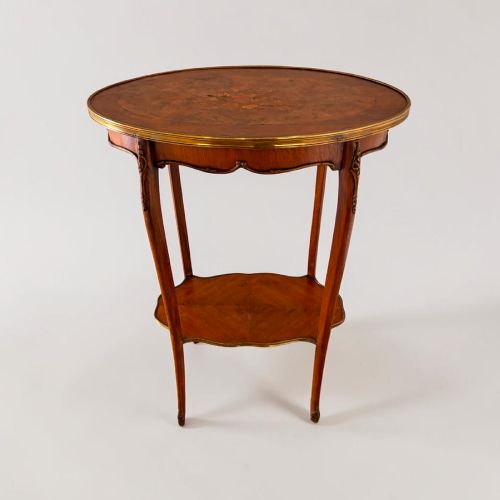
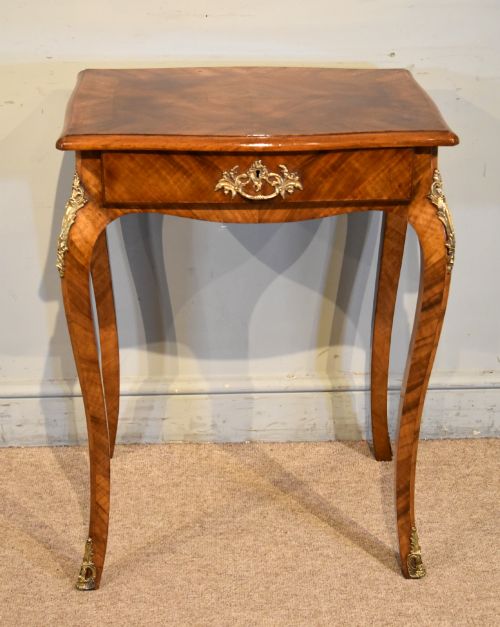
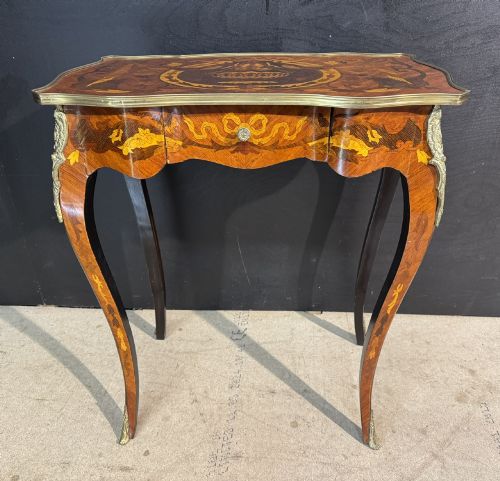
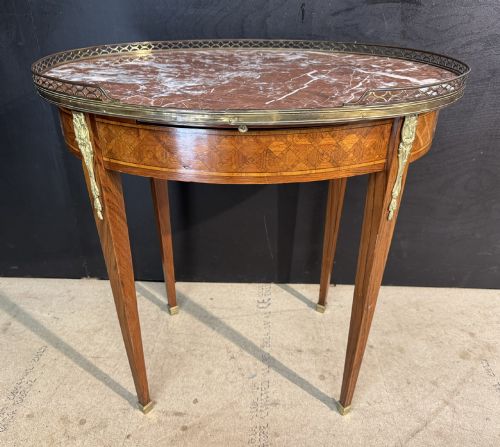
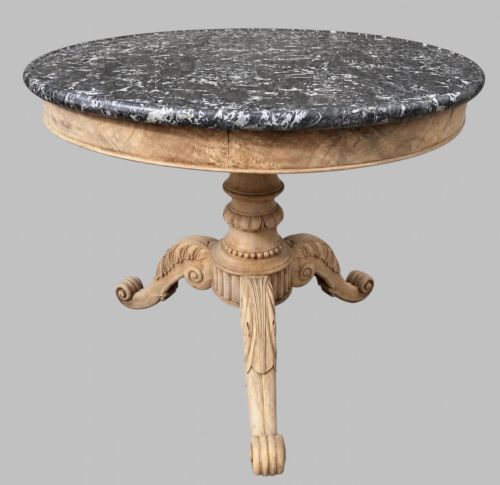
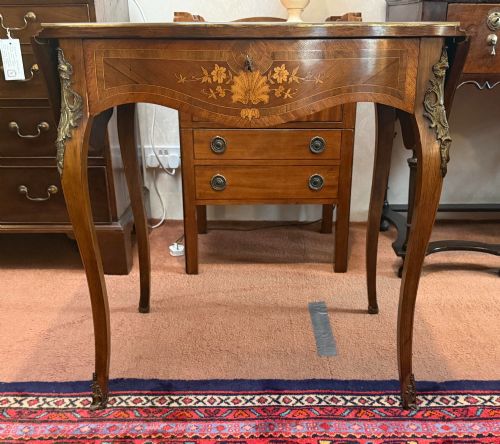
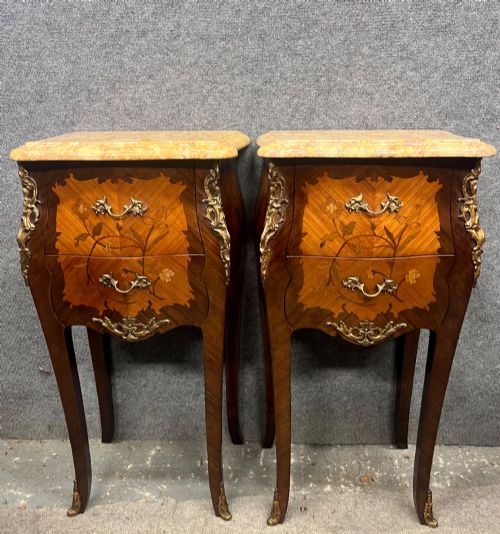
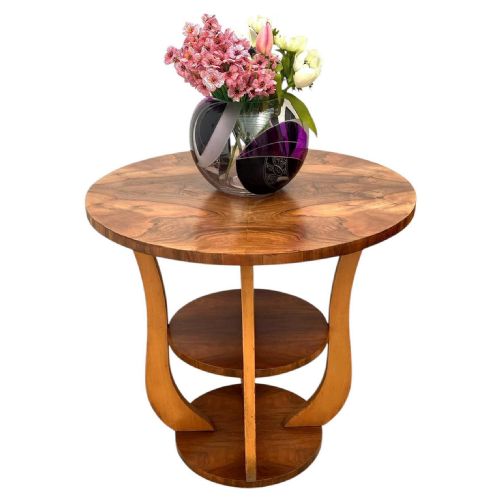
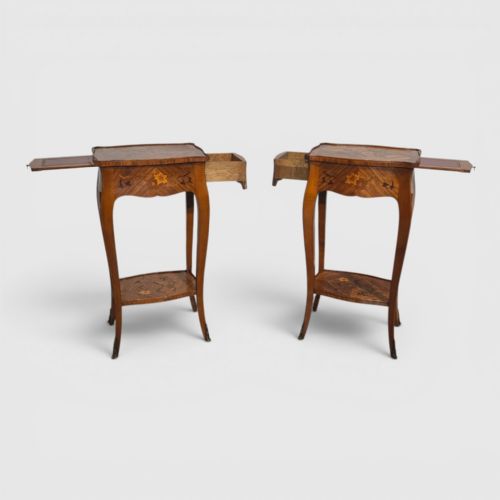
Formations vary widely across the inventory, ranging from circular gueridon designs and serpentine bedside chests to three-tier occasional tables and galleried stands. Many pieces adopt continental revival idioms such as Louis XV style, rococo curves, and provincial simplicity, frequently appearing in matched pairs or individual variants.
Origins remain predominantly French, encompassing both formal chateau furnishings and simpler provincial work. These tables intersect with categories like side tables, bedside cabinets, and work tables, reflecting how domestic utility adapted to changing interior requirements over two centuries.
How They Were Made
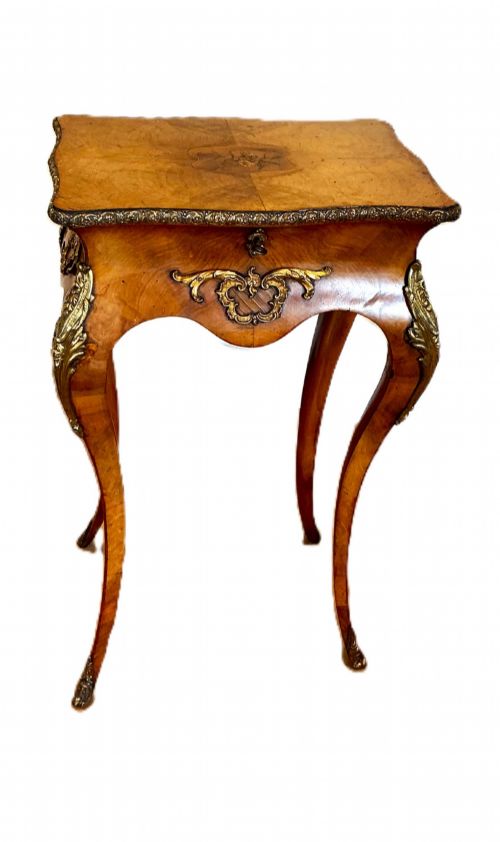
Cabinetmakers utilised solid walnut and decorative veneers such as burr walnut, quartered walnut, and kingswood, applying them over secondary timbers like oak. Surfaces often display intricate marquetry inlays, contrasting wood grains, and painted decoration.
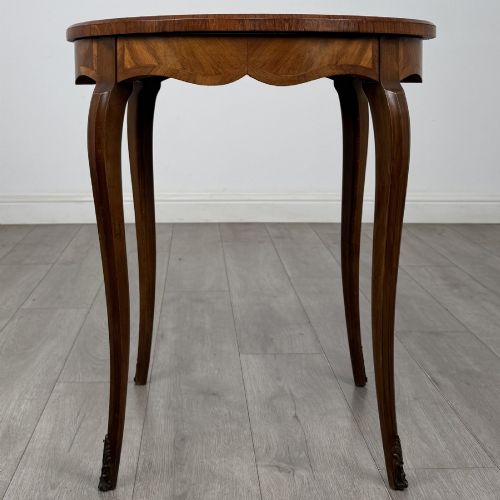
Structural embellishments integrate cast ormolu, gilt bronze mounts, and brass galleries, particularly on revival and neoclassical forms. Tops frequently incorporate inset marble, onyx, or canework panels, supported by turned columns, barley twist legs, or cabriole supports.
French Walnut Lamp Table Retail Price Guide 2026
Typical asking prices for french walnut lamp table among the pieces listed under this phrase on Sellingantiques today, from the lower quarter to the upper quarter. They describe what is for sale here now, not the wider market.
The listings span periods from the late eighteenth century through the art deco era, featuring walnut, mahogany, marble, and ormolu.
What Varies in Quality
The degree of refinement in the timber selection and marquetry patterns distinguishes standard production from finer work. Grain matching across veneered surfaces and the crispness of inlaid motifs indicate the level of hand labour involved in creation.
Integration of secondary materials dictates overall execution. Finely cast ormolu mounts, heavy marble slabs fitted precisely to frames, and original patination on the walnut timber mark the distinction between everyday utility items and superior workshop output.
The French Walnut Lamp Table Glossary
- Gueridon
- A small circular table on a central pillar or tripod base. Originating in seventeenth-century France, these tables frequently feature marble tops and decorative wood veneers.
- Ormolu
- Gilded brass or bronze mounts applied to furniture edges and legs. This technique adds decorative contrast and accentuates the structural lines of revival pieces.
- Marquetry
- Inlaid patterns formed from different coloured wood veneers fitted together. Craftsmen use this technique to create floral or geometric designs across table tops.
- Bouillotte
- A small circular occasional table with a raised gallery rim designed to prevent items from sliding off. These often incorporate marble surfaces and multiple candle arms or lamp fittings.
- Galleries
- Raised ornamental borders fitted around the perimeter of table tops. They are commonly constructed from pierced brass or matching wood to secure small objects.
French Walnut Lamp Table: Frequently Asked Questions
What is a french walnut lamp table?
These pieces are compact nineteenth and early twentieth-century tables designed for functional placement beside beds or seating.
They utilise walnut timber and draw on French provincial and revival styles to provide small surfaces with storage drawers or open tiers.
How were these tables used originally?
Continental households employed them as bedside stands, candle supports, and small occasional tables for work or display.
Their portable dimensions allowed them to be moved easily around reception rooms and bedchambers as daily requirements shifted.
How do I date a french walnut lamp table?
Dating relies on stylistic clues, construction methods, and materials such as marble or ormolu mounts.
Nineteenth-century examples often exhibit Louis XV revival curves, while pieces from around nineteen-thirty show art deco geometric simplification and simpler veneering.
Are these tables sturdy enough for daily use?
Most designs are structurally stable for holding lamps, books, and decorative objects within domestic settings.
Tables with marble tops or multiple tiers offer substantial weight, though delicate cabriole legs and marquetry surfaces benefit from careful placement away from direct heat.