



French Walnut Dressing Table
A french walnut dressing table brings warmth and fine carving into a bedroom, offering a surface for grooming alongside rich timber grain.
French Walnut Dressing Table
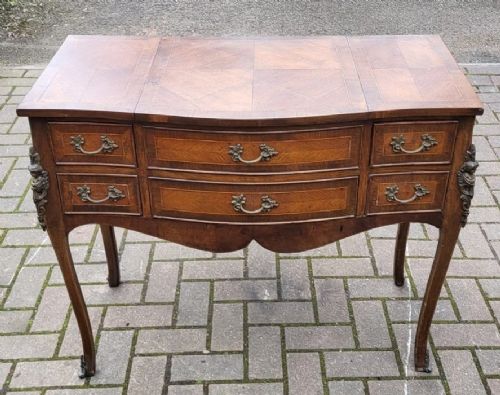
A french walnut dressing table is typically found in forms that date from the nineteenth century through to the art deco period of nineteen thirty, often reflecting revival styles such as Louis XV and Rococo.
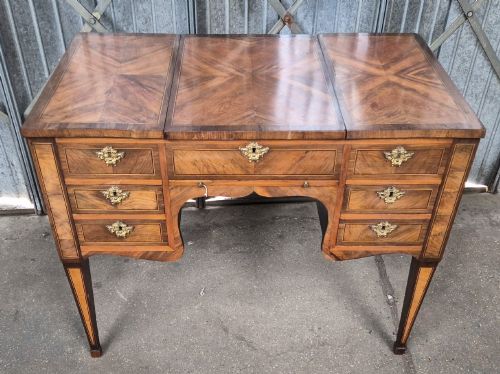
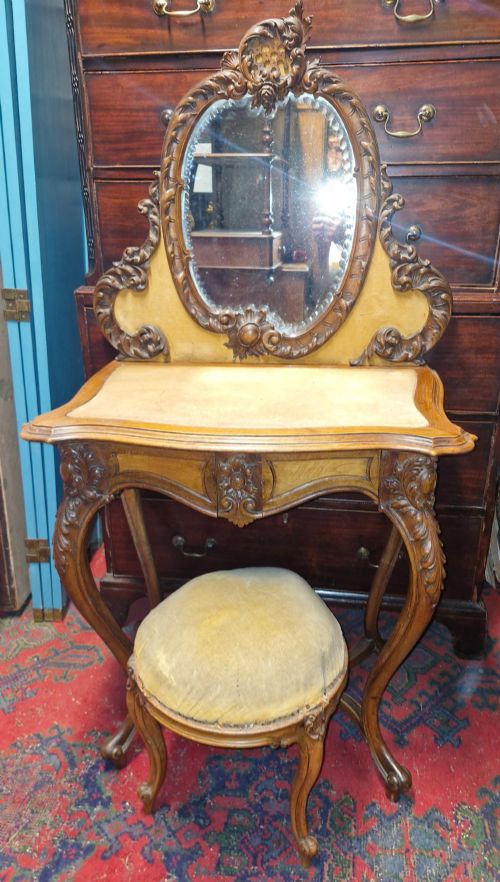
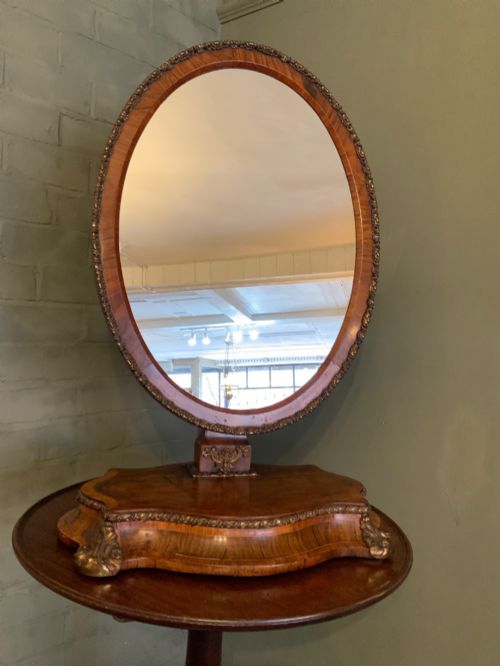
Buyers encounter variations featuring lift tops, fold out panels, marble tops, and accompanying swing mirrors or matching stools.
The selection ranges from elaborate carved chateau pieces to simpler provincial designs utilising walnut veneers and burr walnut.
What varies in quality
The sophistication of the hand carving distinguishes finer examples, where floral and scroll motifs are deeply undercut with crisp detail rather than cast in a uniform mould.
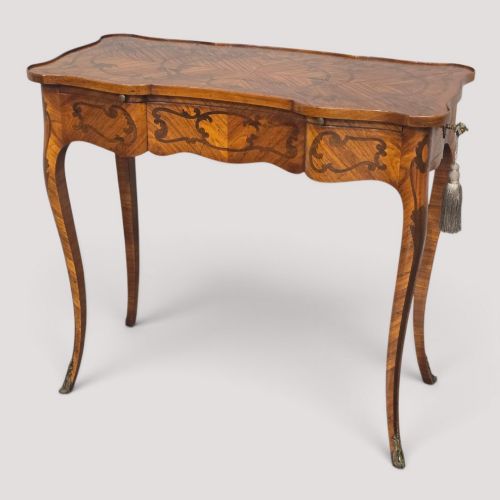
The choice of timber grain, particularly the selection of matched burr walnut or intricate marquetry and parquetry patterns, marks the distinction between standard production and master cabinet work.
French Walnut Dressing Table Retail Price Guide 2026
Typical asking prices for french walnut dressing table among the pieces listed under this phrase on Sellingantiques today, from the lower quarter to the upper quarter. They describe what is for sale here now, not the wider market.
Secret compartments hidden beneath fold-out mirror lids remind us that nineteenth-century morning routines involved hiding powdered wigs and small personal treasures.
The French Walnut Dressing Table Glossary
- Walnut
- A dense, hard timber with a rich brown colour that accepts deep carving and fine polishing.
- Burr walnut
- A figured wood grain taken from the growth growths of the tree, prized for its swirling patterns on tabletops.
- Ormolu
- Gilded bronze mounts cast in ornamental shapes and attached to the corners and legs of furniture.
- Marquetry
- Inlaid pieces of wood veneer fitted together to form decorative pictures or geometric designs on surfaces.
- Poudreuse
- A type of dressing or powder table featuring folding lids that reveal compartments and a mirror.
- Cabriole leg
- A furniture leg that curves outward at the knee and tapers inward toward the foot, typical of revival styles.
French Walnut Dressing Table: Frequently Asked Questions
How do I use a poudreuse?
Lift the hinged top panels to access the interior compartments intended for cosmetics and small accessories. Many examples also include a pull-out writing slide or a concealed mirror.
Keep the internal surfaces dry and avoid placing damp containers directly onto the polished wood or veneer inside.
What is the difference between walnut and burr walnut?
Standard walnut timber provides a straight, uniform brown grain used for structural parts and solid carved frames. Burr walnut comes from a tree growth abnormality that creates highly figured, swirling patterns.
Cabinet makers used burr walnut veneers specifically on prominent flat surfaces like tabletops and drawer fronts to catch the light.
How do I care for a marble top?
Marble tops on dressing tables require simple wiping with a soft, damp cloth to remove dust and daily residue. Avoid using acidic cleaners or harsh chemical sprays that can etch the polished stone surface.
Place protective pads under glass bottles or metal containers to prevent scratching the stone over time.
Are matching stools common?
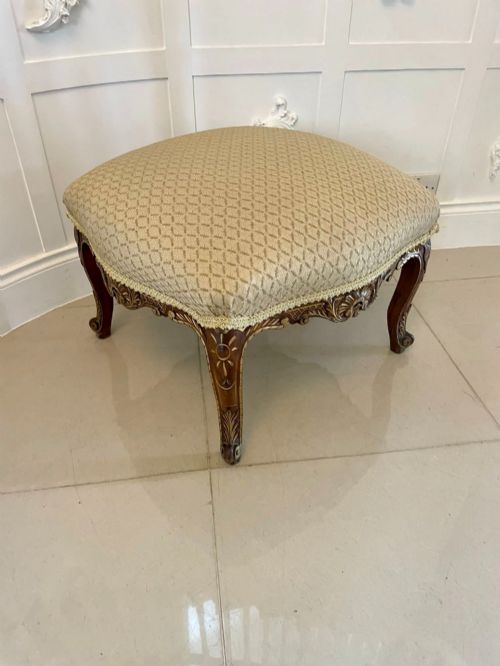
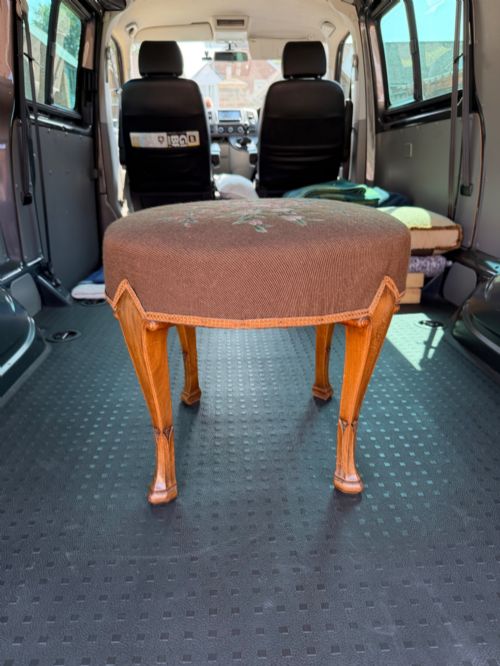
Many dressing tables were originally sold alongside a matching carved stool upholstered in fabric or velvet. These seats often echo the cabriole legs and carving details of the main table.
Finding a complete set with its original stool remains a notable bonus for collectors.