



French Walnut Dining Chairs
French walnut dining chairs bring rich timber tones and sculptural carved frames to the table.
French Walnut Dining Chairs
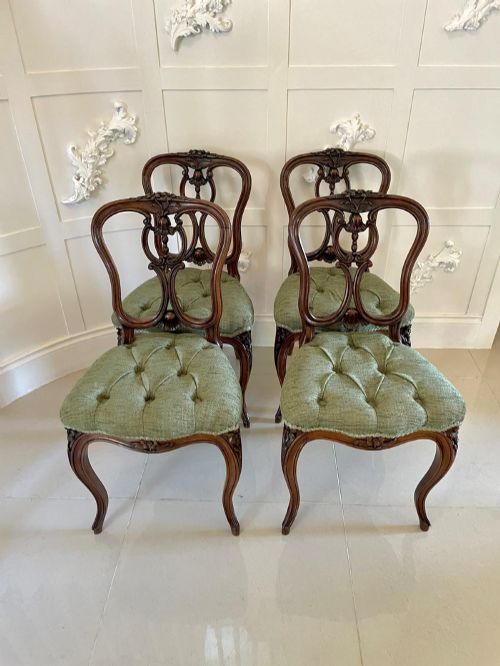
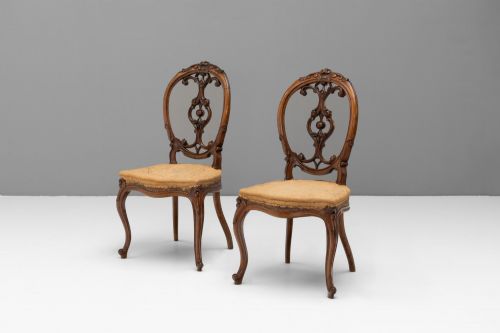
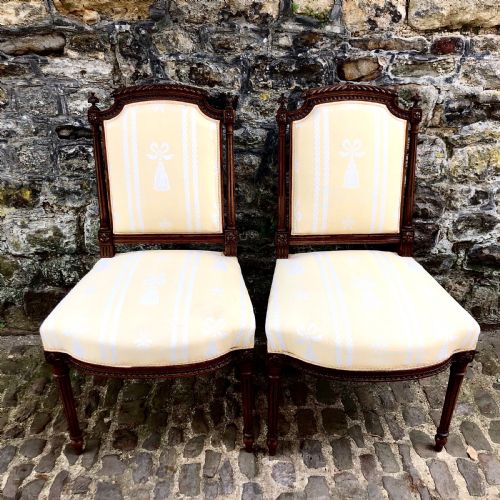
French walnut dining chairs encompass seating designed with curvilinear profiles and warm timber grains, appearing primarily as side chairs, armchairs, and matching sets from the nineteenth century. Buyers searching for french walnut dining chairs will frequently encounter nineteenth-century examples influenced by Louis XV, Louis XIV, and Rococo Revival styles.
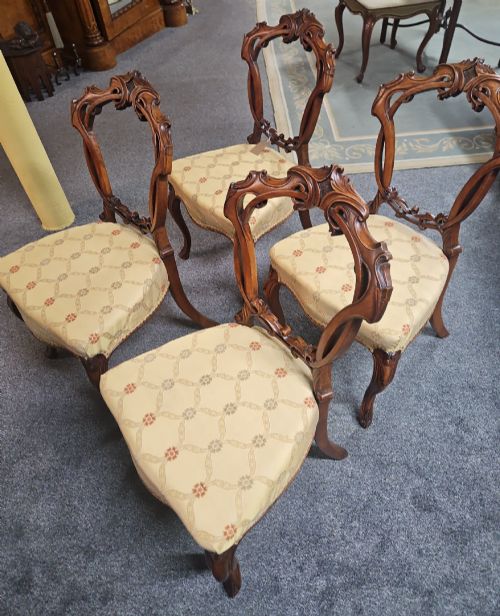
The selection ranges from smaller pairs to larger sets of four, six, or twelve pieces, alongside occasional larger suites intended for formal drawing rooms. Construction spans from mid-nineteenth-century items dated around eighteen-fifty and eighteen-sixty through to early twentieth-century revival pieces from nineteen-ten and nineteen-twenty.
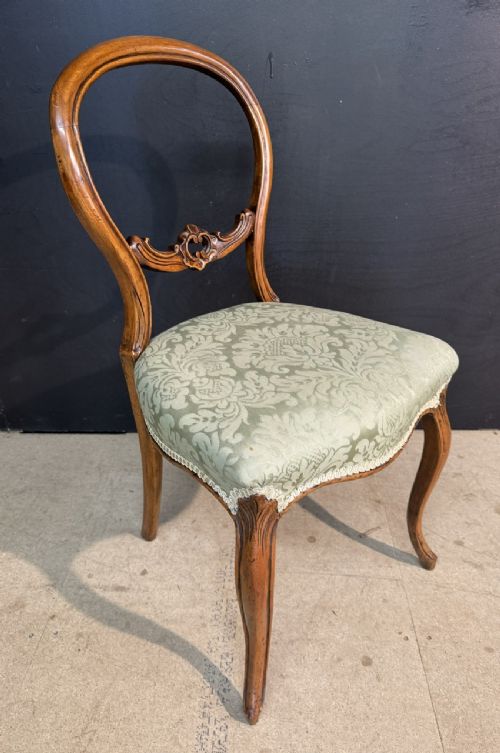
Forms include classic cabriole legs, caned panels, and rush seats, with framing often featuring carved ornamentation typical of French provincial and chateau aesthetics. These chairs serve functional seating roles while introducing period character to dining spaces through traditional timber construction.
How they were made
Makers utilised solid walnut for the structural frames, taking advantage of the timber's grain and strength to support intricate hand-carved details. This wood formed the curved cabriole legs and scrolled crest rails characteristic of French revival designs.
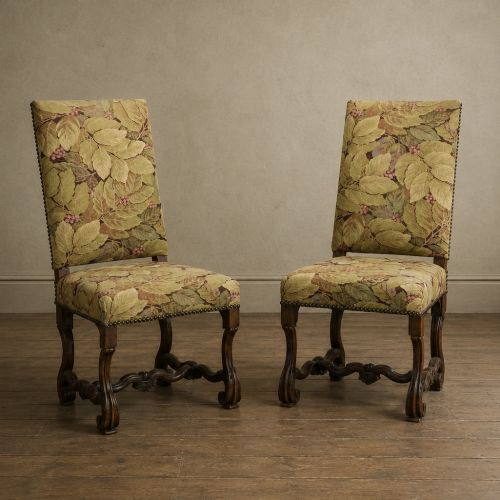
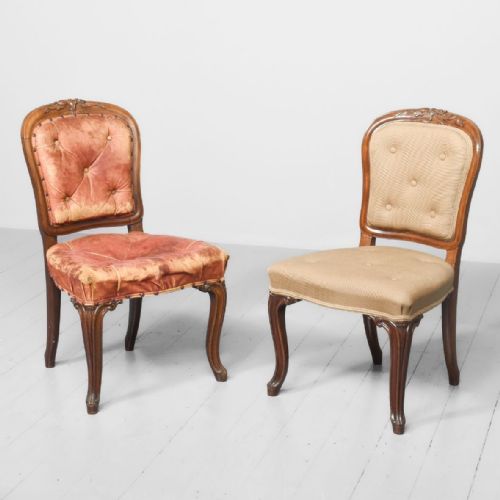
Upholstery methods varied widely across the periods, incorporating traditional textile coverings, damask, leather, and woven cane or rush inserts. Metal components such as brass studs occasionally secured the fabric edges to the timber frames.
French Walnut Dining Chairs Retail Price Guide 2026
Typical asking prices for french walnut dining chairs among the pieces listed under this phrase on Sellingantiques today, from the lower quarter to the upper quarter. They describe what is for sale here now, not the wider market.
Listings feature walnut frames spanning the seventeenth, nineteenth, and early twentieth centuries, encompassing Victorian, Empire Revival, and Louis styles.
What varies in quality
The crispness and depth of the hand-carving define the upper tier of these chairs, separating pieces with sharp, fluid ornament from softer, shallower tooling. Superior examples display balanced proportions and seamless joinery that conceal structural supports.
The integrity of the walnut timber and the quality of secondary materials, such as supple leather or finely woven cane, distinguish finer workshops from more utilitarian production. Consistency across a larger set preserves collective value compared to assembled or mismatched groupings.
Morison & Co of Edinburgh
The French Walnut Dining Chairs Glossary
- Cabriole leg
- A furniture leg that bends outward in a convex curve and tapers inward in a concave curve, ending in a pad, scroll, or hoof foot. This form originates from ancient furniture traditions and defines much of the Louis XV style.
- Caned
- Woven rattan or split cane utilised for chair seats and backs to create a light, porous surface. It requires skilled hand-weaving around the frame rails.
- Rococo Revival
- A nineteenth-century design movement resurrecting the asymmetric curves, scrolling foliage, and shell motifs of the eighteenth-century French Rococo period. Walnut frames from this era show deep, organic carving.
- Rush seat
- A seating surface woven from dried marsh rushes twisted into cords, commonly found on provincial regional chairs. It provides a durable, textured alternative to upholstered pads.
- Damask
- A reversible figured fabric traditionally woven on a jacquard loom with patterns formed by contrasting warp and weft sateen weaves. It frequently appears on formal parlour and dining seating.
French Walnut Dining Chairs: Frequently Asked Questions
How do I clean walnut chair frames?
Dust the carved walnut timber regularly with a soft, dry cloth to prevent dirt accumulation in the crevices. Apply a quality microcrystalline wax sparingly when the wood appears dry, buffing gently to maintain the natural sheen without building up heavy residue.
Avoid commercial liquid polishes containing silicone, which can penetrate open grain and soften historical finishes over time. Keep the chairs away from direct heat sources and strong sunlight to protect the walnut colour from fading.
Are these chairs suitable for daily use?
Nineteenth-century walnut dining chairs handle regular seating provided the structural joints remain tight and secure. Periodic professional checking of the glue blocks and dowels ensures the frames withstand everyday dining pressures.
Lighter frames with caned or rush seats require careful weight distribution to avoid puncturing the organic weaves. Heavier upholstered models offer robust support but benefit from cautious handling of delicate carved crest rails.
How can I tell Louis XV from Louis XIV style?
Louis XV style chairs display flowing, asymmetrical curves, cabriole legs, and shell or floral carvings inspired by nature. The overall aesthetic feels lighter and more undulating.
Louis XIV style pieces exhibit greater symmetry, straight or squared fluted legs, and heavier rectilinear proportions with formal classical ornamentation. The structural lines appear more monumental and imposing than their mid-eighteenth-century counterparts.
What does re-upholstery involve for antique chairs?
Re-upholstery requires stripping back worn outer fabrics and degraded internal stuffing down to the original webbing and foundation layers. Traditional materials like horsehair, hessian, and coil springs are reinstated to maintain the correct historical profile and firmness.
Choosing appropriate textiles such as damask or leather respects the period aesthetic of the frame. Skilled craftspeople ensure tacks and bindings follow original nail holes to preserve the surrounding walnut timber.