






French Walnut Benches
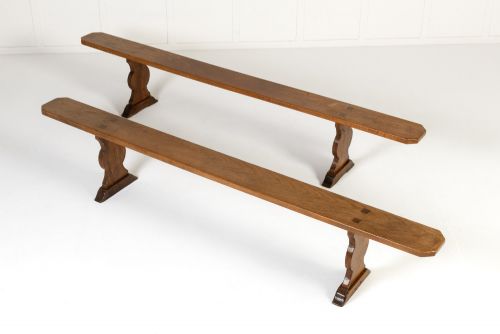
French walnut benches bring warmth and elegance to an interior, offering seating crafted from rich hardwood through nineteenth and early twentieth century periods.
French Walnut Benches
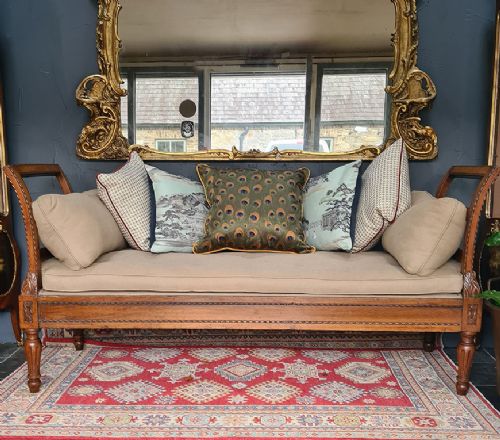
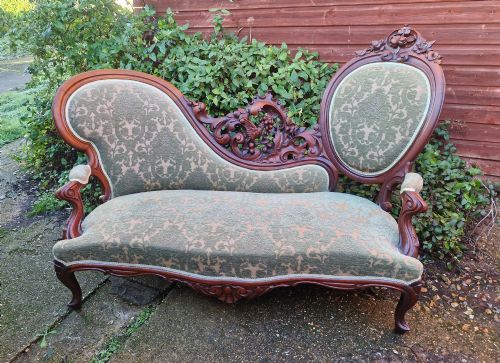
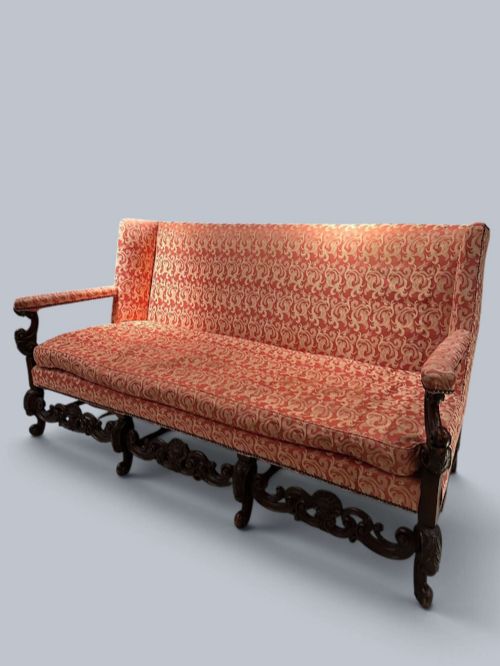
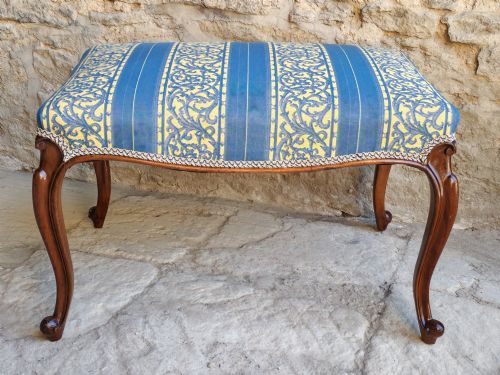
When you search for french walnut benches, you encounter a varied selection of seating forms including window seats, footstools, daybeds, and settees. These pieces originate predominantly from the nineteenth century, alongside examples from the early twentieth century and the Victorian era.
The assortment spans styles such as French Provincial, Louis XVI, Rococo Revival, and Empire. Stools and window seats appear frequently, often paired as matching sets or designed for specific domestic spaces like halls and salons.
Materials and Construction
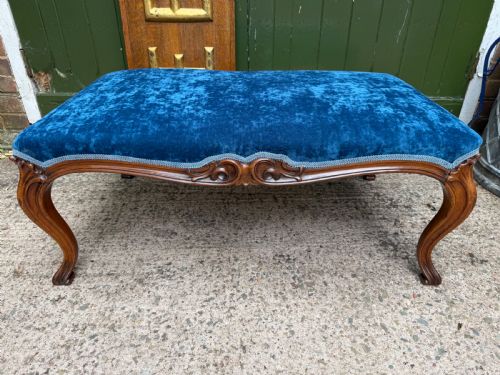
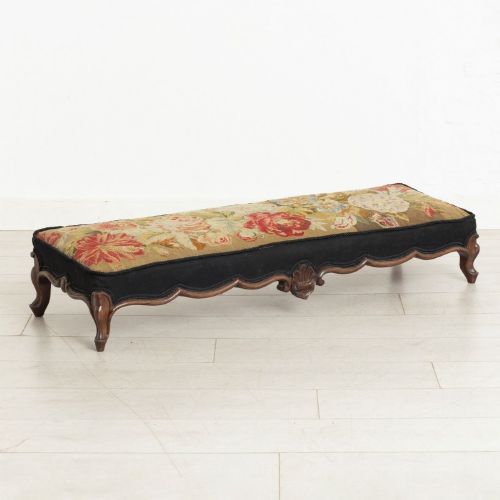
The primary structural material is walnut, sometimes bleached or left in its natural dark tone, complemented by hardwood frames. Artisans shaped these timbers with carved details, cabriole legs, and precise joinery suited to seating furniture.
Upholstery and secondary materials include fabric, velvet, textile, linen, and cane. Brass accents occasionally appear, while seats feature traditional coverings or newly upholstered surfaces paired with woven cane panels.
French Walnut Benches Retail Price Guide 2026
Typical asking prices for french walnut benches among the pieces listed under this phrase on Sellingantiques today, from the lower quarter to the upper quarter. They describe what is for sale here now, not the wider market.
Listings feature walnut, fabric, velvet, cane, and brass across nineteenth and early twentieth century periods.
Craftsmanship and Proportion
Superior examples display crisp, hand-carved relief work on the walnut frames, whereas lesser pieces show softer or simpler moulding. The depth and precision of the carving distinguish standard production from finer artisan output.
Proportion and structural integrity define the higher tier of these benches and seats. Balanced cabriole legs and tight, original joinery maintain stability, while inferior items may suffer from heavy-handed restoration or altered frames.
The French Walnut Benches Glossary
- Cabriole leg
- A furniture leg that curves outward and then tapers inward, mimicking an animal's limb. This design feature appears frequently on eighteenth and nineteenth century seating frames.
- Canapé
- A decorative French sofa or settee featuring an upholstered seat and back. These pieces often showcase carved walnut woodwork.
- Bergere
- An enclosed upholstered armchair or sofa with wooden framing. The sides typically incorporate cane work or upholstered panels.
- Window seat
- A long, narrow bench designed to fit into a window recess. They are built for seating and often feature upholstered or caned tops.
- Daybed
- A couch that functions as both a seat and a bed for resting. Many examples incorporate carved wooden frames and textile upholstery.
French Walnut Benches: Frequently Asked Questions
Where should I place a window seat?
Window seats suit entryways, hallways, and living spaces where narrow seating is practical.
They also function effectively at the foot of a bed or beneath a window frame.
How do I care for antique walnut frames?
Maintain walnut frames by dusting them regularly with a soft, dry cloth.
Keep them away from direct sunlight and moisture to preserve the wood finish.
What is the difference between a settee and a daybed?
A settee provides upright seating for multiple people with a defined backrest and arms.
A daybed offers a longer surface intended for reclining or lying down.
Can I use these benches for daily seating?
Most antique walnut benches and stools remain structurally sound for regular domestic use.
Checking the joinery and upholstery support ensures they handle everyday weight comfortably.