



French Vintage Wall Fixture
A french vintage wall fixture brings the warmth of nineteenth and early twentieth-century lighting into a room.
French Vintage Wall Fixture
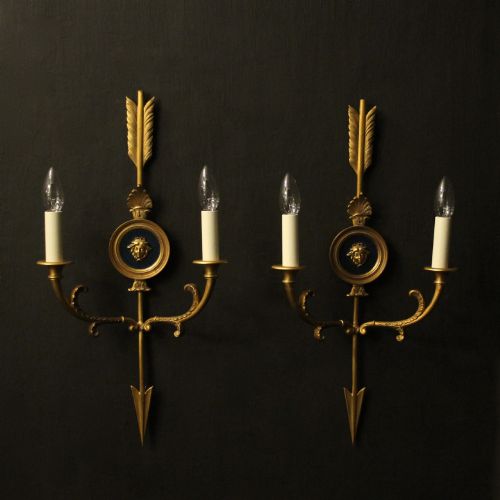
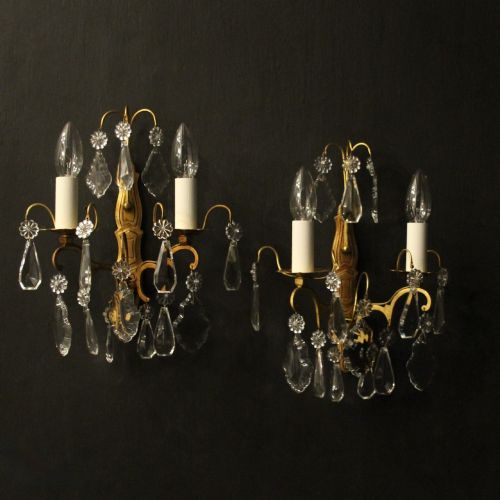
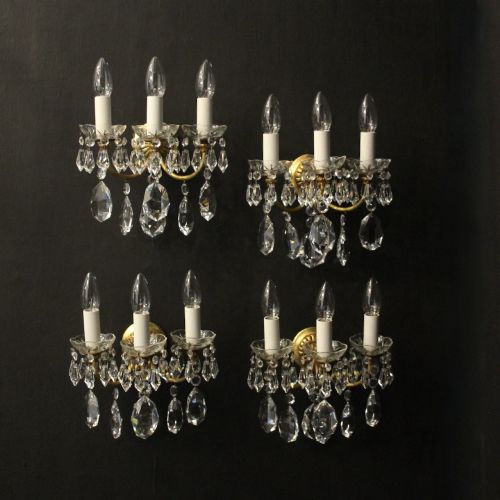
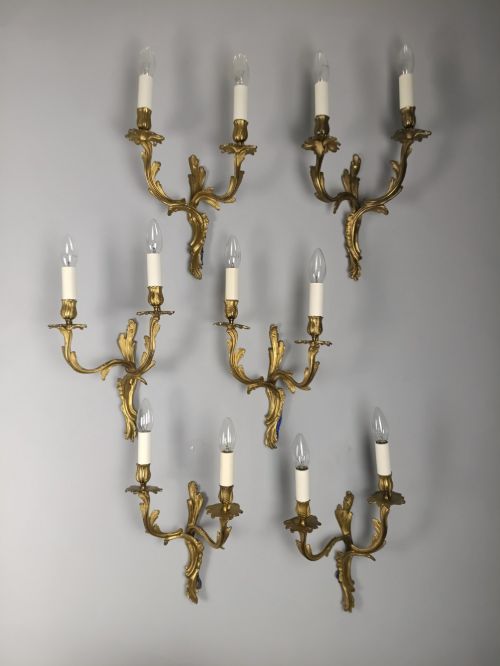
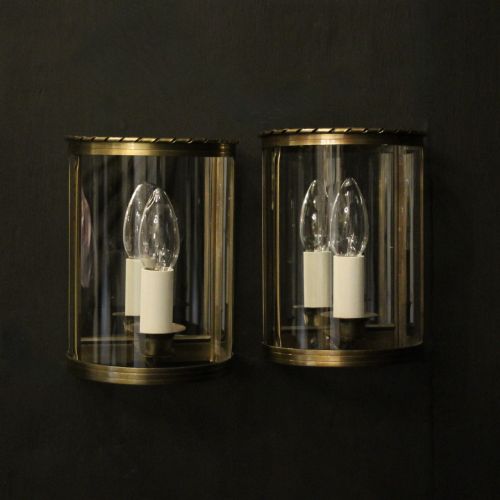
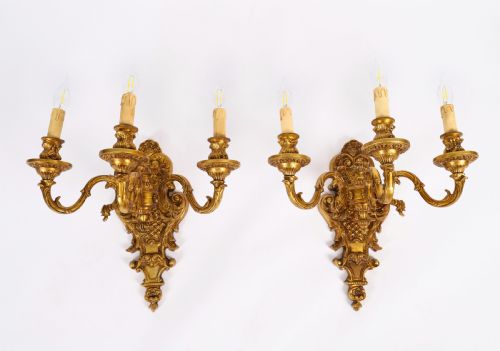
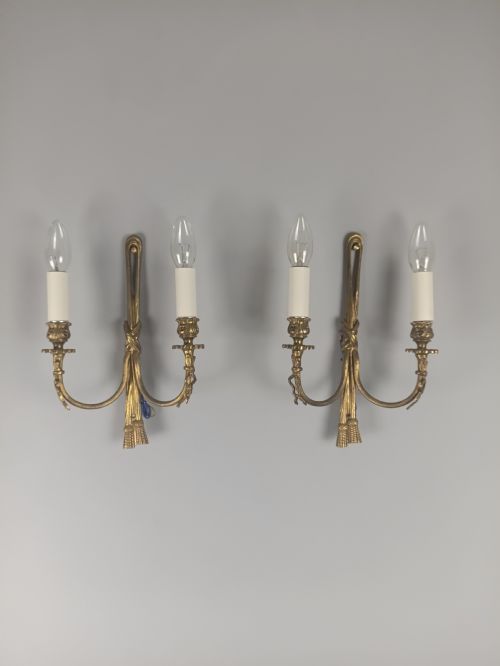
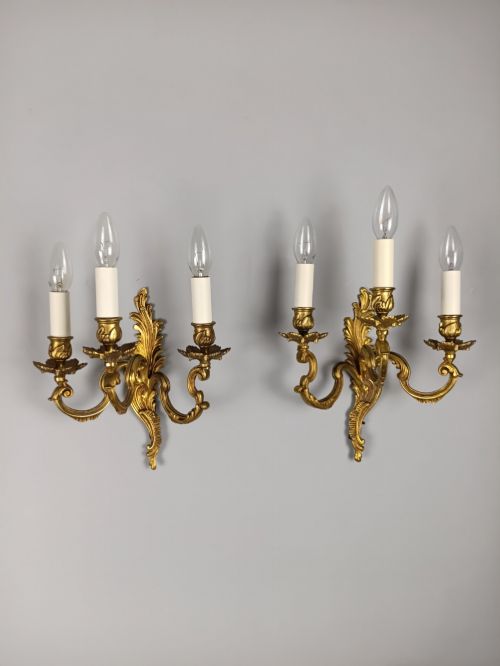
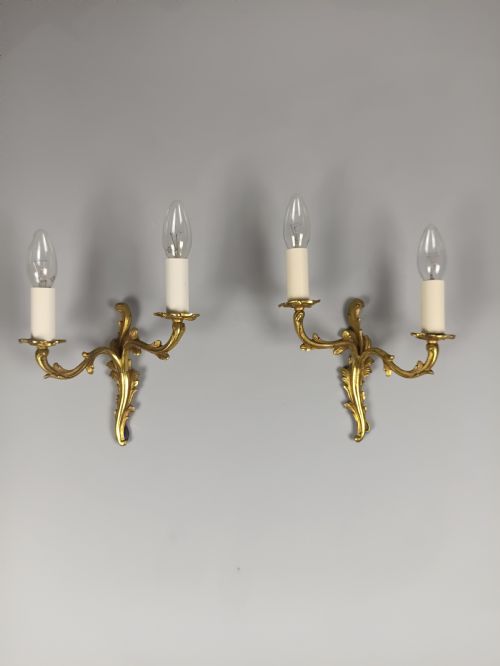
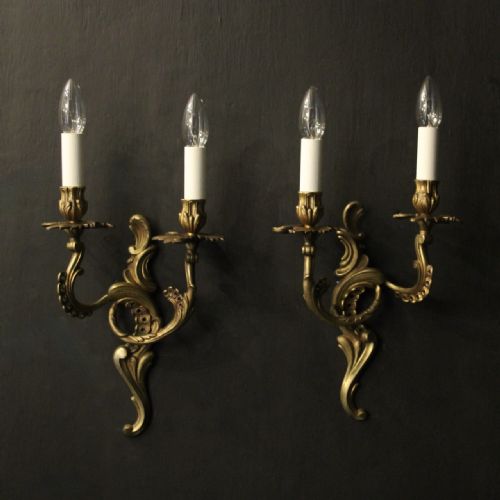
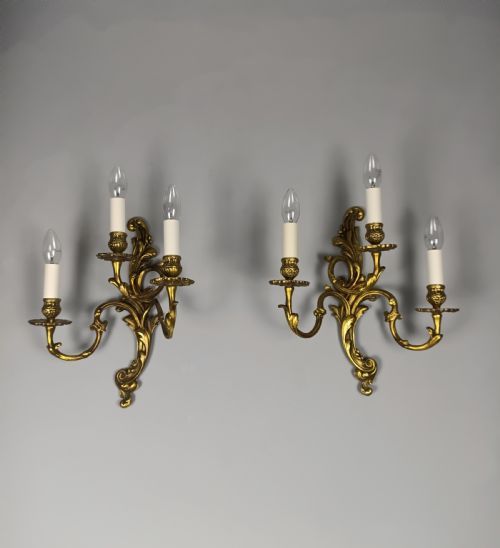
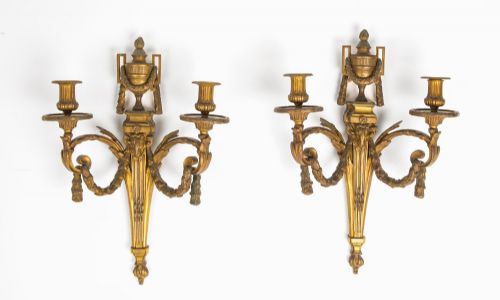
A french vintage wall fixture encompasses wall lights, wall sconces, and light fittings spanning the nineteenth century through the nineteen-thirties. These pieces take the form of twin-arm, triple-arm, and single-arm configurations designed to mount directly onto domestic walls. Buyers find examples rooted in French Rococo, Louis XVI style, Neoclassical, and Art Deco designs.
The selections on this page lean heavily toward nineteenth-century origins and early twentieth-century periods up to nineteen-thirty. Pairs and sets of four appear frequently alongside single fixtures and larger groupings. Brass, gilt bronze, and toleware form the backbone of the physical shapes encountered here.
How They Were Made
Metalwork forms the structural foundation, utilising brass, gilt bronze, and gilt metal shaped into arms, backplates, and decorative motifs. Artisans employed casting and chasing techniques to render intricate details such as ram's head masks, ribbon flourishes, and flying cherubs. Patinated and gilded surfaces provide the primary exterior finishes across the various periods.
Glass and crystal elements complement the metal structures through moulded shades, frosted panels, and hanging prisms. Toleware components introduce painted sheet metal surfaces in green and other hues, often paired with brass elements in bouillotte styles. Porcelain flowers and crystal drops add textural variation to the metal frames.
Several flying cherub figures double as light fittings, bringing a touch of playful nineteenth-century whimsy straight to the living room wall.
What Varies In Quality
The intricacy and depth of the metal casting distinguish different tiers of production. Finer pieces display crisp, hand-chased details in gilt bronze and ormolu, whereas simpler items rely on smoother, mass-produced brass castings. The presence of specialised decorative elements, such as carved ram's heads or moulded crystal, elevates the execution.
Completeness and matched sets alter the character of a fixture. Pairs, sets of three, and sets of four maintain visual symmetry that single units lack. The preservation of original crystals, toleware paintwork, and porcelain components preserves the intended aesthetic of the period.
Lalique
The French Vintage Wall Fixture Glossary
- Ormolu
- Gilded bronze applied to decorative hardware and lighting mounts. This technique creates a rich golden surface finish popular in French decorative arts.
- Toleware
- Painted or lacquered sheet metal items produced in various domestic forms. Green toleware variants appear frequently on bouillotte style wall lights.
- Sconce
- A wall-mounted lighting fixture designed to hold candles or electric lamps. These units project outward from the wall surface on decorative arms.
- Rococo
- A decorative style characterised by asymmetrical curves, scrollwork, and natural motifs. This aesthetic heavily influences nineteenth-century French wall lights.
- Neoclassical
- A style drawing inspiration from classical antiquity, featuring symmetry and formal motifs. Examples include fixtures incorporating ram's head masks and urns.
French Vintage Wall Fixture: Frequently Asked Questions
How do I wire a vintage wall light?
Rewiring requires a qualified electrician to adapt vintage brass and bronze frames for modern electrical standards. Many fixtures arrive ready for installation with updated internal wiring.
Professional mounting ensures the weight of heavy gilt bronze and crystal components is safely supported on the wall.
Are these fixtures suitable for bathrooms?
Most antique wall lights lack modern ingress protection ratings required for wet zones. They suit living rooms, hallways, and dining areas instead.
Placement in dry spaces preserves delicate gilt surfaces and fabric or painted toleware components.
How do I clean gilt brass and bronze?
Dusting with a soft, dry cloth prevents the accumulation of grime on intricate castings. Avoid abrasive cleaners that strip the original gilding.
Preserving the existing patina maintains the historic character of nineteenth and early twentieth-century metalwork.
Can I find matching pairs of sconces?
Listings frequently include matched pairs and sets of three or four fixtures. These groupings originate from rooms where symmetrical wall lighting was required.
Sets provide uniform illumination and consistent decorative detail across a larger wall space.