

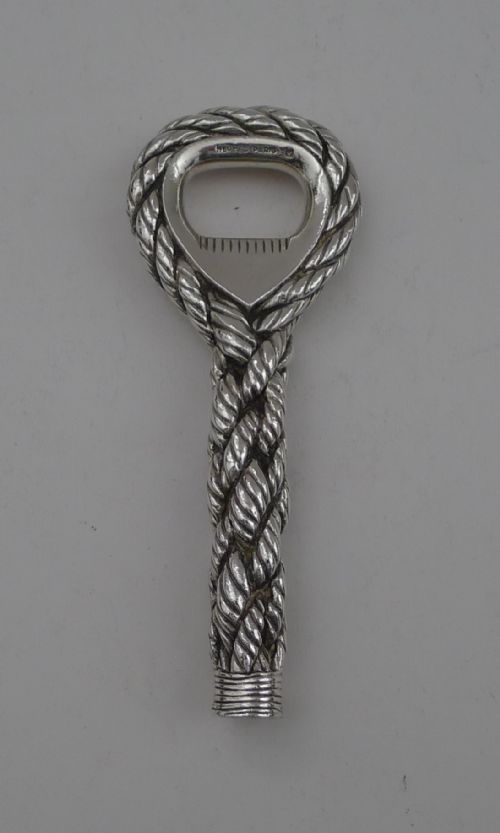


French Vintage Tool
These french vintage tool selections bring genuine utility and utilitarian history into modern spaces, offering functional metal, wood and leather pieces from past centuries.
French Vintage Tool
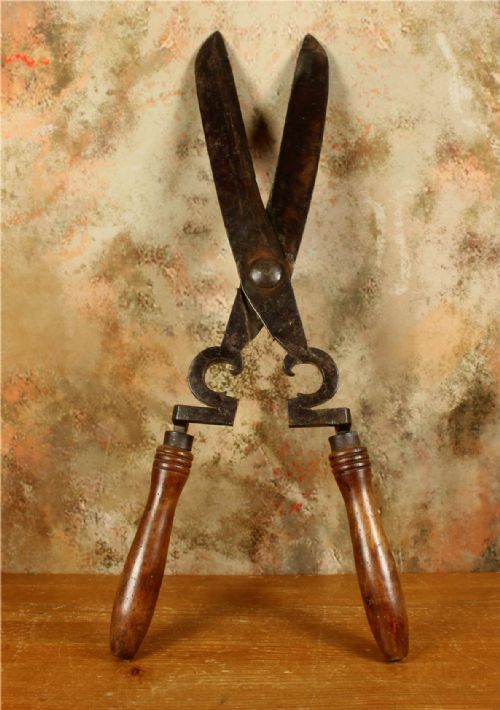
A french vintage tool encompasses a broad range of utilitarian implements and specialised equipment originating from France across the eighteenth, nineteenth and twentieth centuries. When searching this phrase, buyers encounter everything from agricultural shears and gardening implements to millinery stretchers and scientific apparatus.
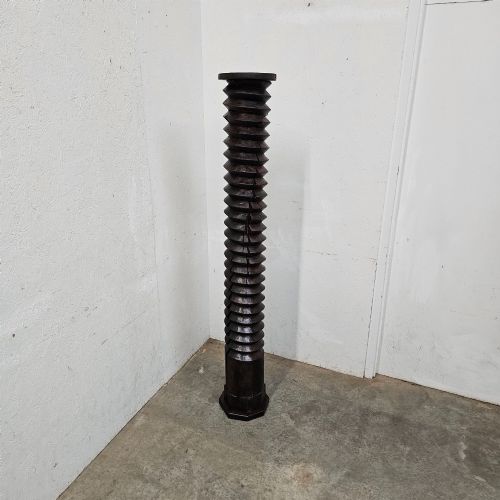
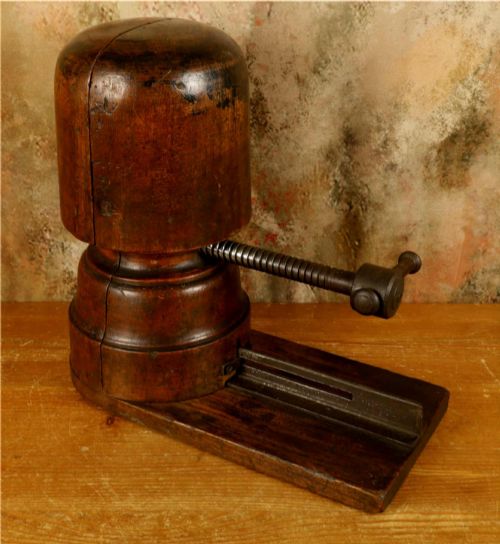
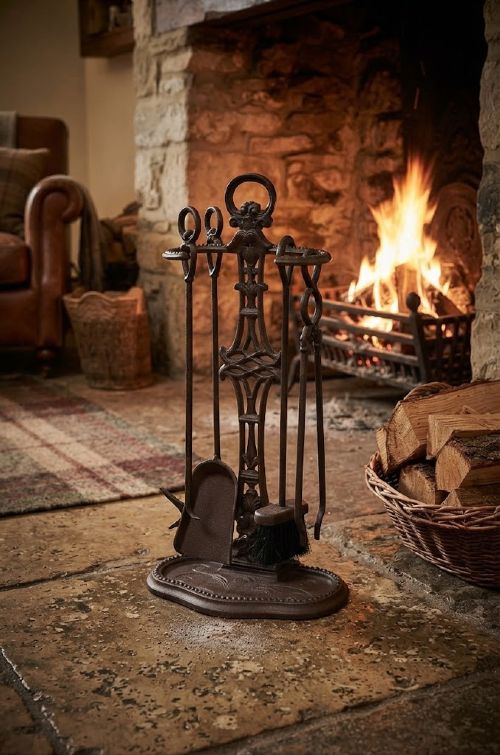
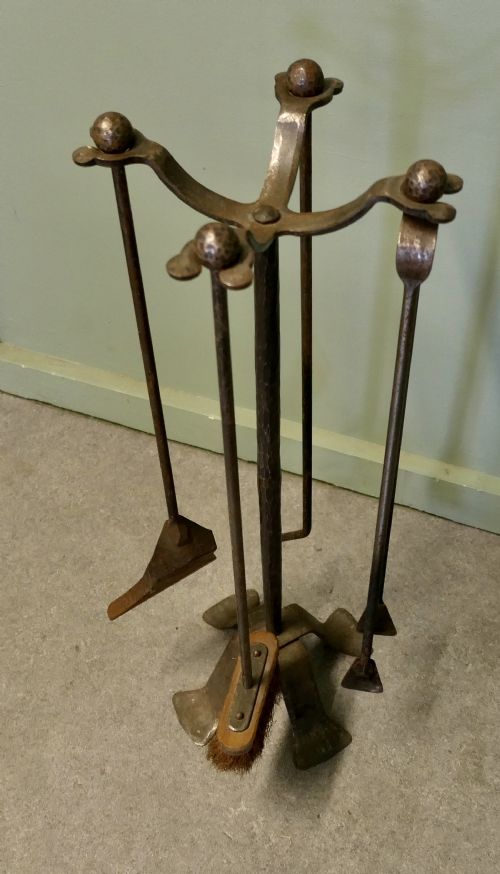
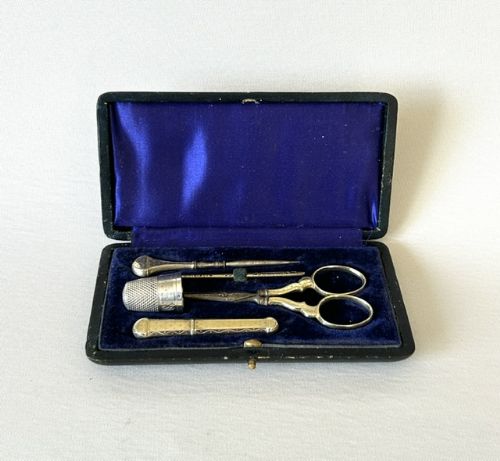
The objects appearing here span domestic, trade and scientific spheres rather than functioning strictly as workshop hardware. Domestic examples include fireplace companion sets and corkers, whilst trade pieces range from lace makers pillow holders to hat blocks.
Most items on this page emerge from the nineteenth century and the early twentieth century, showing the solid construction methods of French provincial and industrial workshops. Iron, steel, brass and hardwood predominate amongst these practical survivals.
Materials and construction
Makers utilised durable metals like cast iron, wrought iron, brass, steel and bronze alongside hardwoods and leather to build implements designed for heavy daily use. Forged iron and cast components provide the structural backbone for fireplace sets, garden tools and press mechanisms.
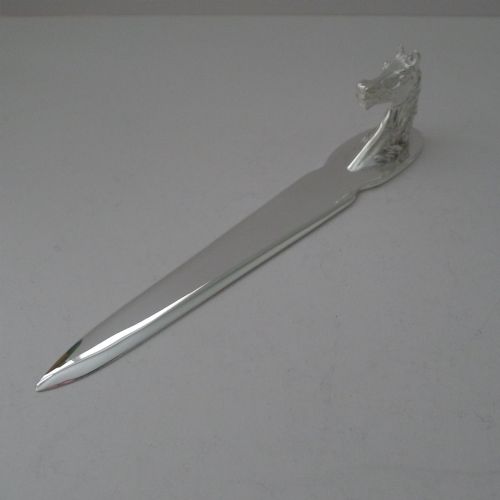
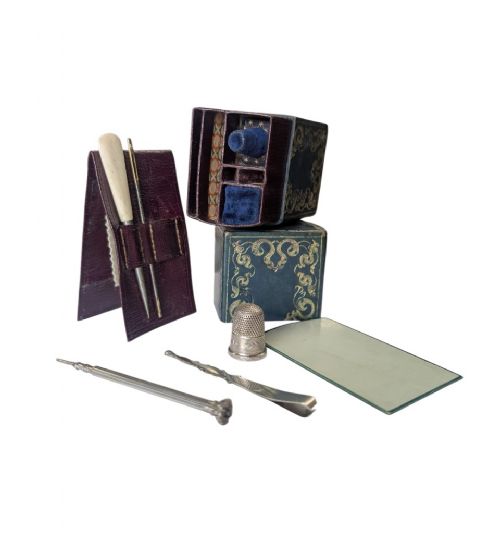
Fine domestic items incorporate decorative metalwork such as ormolu, silver plating and silver gilt alongside tooled leather and fruitwood. Joinery and metal shaping rely on traditional hand methods typical of nineteenth century French provincial and urban workshops.
French Vintage Tool Retail Price Guide 2026
Typical asking prices for french vintage tool among the pieces listed under this phrase on Sellingantiques today, from the lower quarter to the upper quarter. They describe what is for sale here now, not the wider market.
Object types span practical domains, including fireplace accessories, side tables, scientific instruments, garden tools and millinery equipment.
Assessing quality in these pieces
Quality in a french vintage tool rests upon the integrity of its primary materials and the precision of its mechanical assembly. Heavy cast iron, substantial brass and dense hardwood signify robust construction intended for demanding professional or domestic tasks.
Artistic execution and finish distinguish utilitarian items from finer salon pieces. Enhanced quality appears in detailed Art Nouveau casting on umbrella stands, meticulous tooling on leather caskets, and signed scientific or marine instruments.
Hermes Paris·Auguste Robert Kauffman·A Hurlimann Paris
The French Vintage Tool Glossary
- Companion set
- A matched group of fireplace tools, typically including pokers, tongs and shovels, often housed on a shared stand.
- Chatelaine
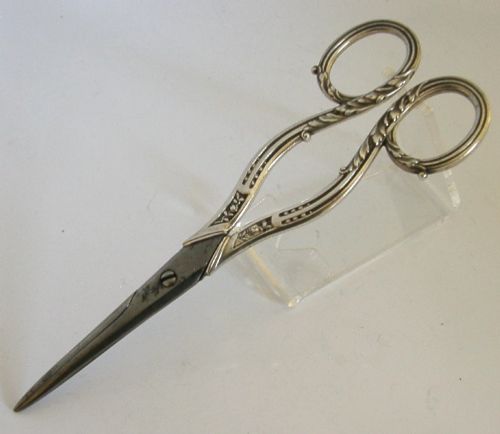
- A decorative belt hook worn with suspended utilitarian attachments like scissors, thimbles or sewing tools.
- Hat block
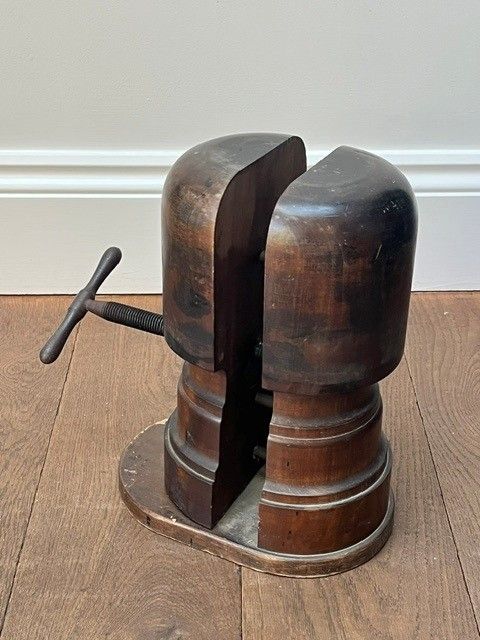
- A carved wooden form used by milliners for shaping and sizing hats during manufacture.
- Ormolu
- Gilded bronze mounted onto decorative objects, furniture or cases.
- Etui
- A small ornamental box or case used for holding needles, cosmetics or small implements.
French Vintage Tool: Frequently Asked Questions
What did a french vintage tool actually do?
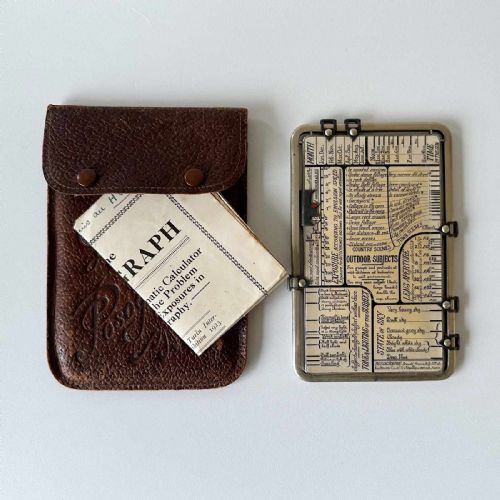
These implements served practical trades, scientific research and domestic maintenance across French households and workshops. They tackled jobs ranging from tending hearth fires and pressing cheese to measuring photographic exposure and stretching millinery.
Many objects reflect specialised trades that have largely disappeared from modern daily life. Items like lace makers pillow holders and barbers bleeding bowls reveal the specific equipment required by historical professions.
How do I identify a nineteenth century piece?
Nineteenth century pieces generally display heavier metal components, hand-forged elements and traditional joinery methods. Materials like cast iron, wrought iron and dense hardwoods show the manufacturing signatures of that era.
Stylistic cues such as Belle Epoque or Art Nouveau motifs help narrow down the date of decorative items like fire tool stands. Examining the wear patterns and construction joints confirms period authenticity.
How can I integrate these items into a home?
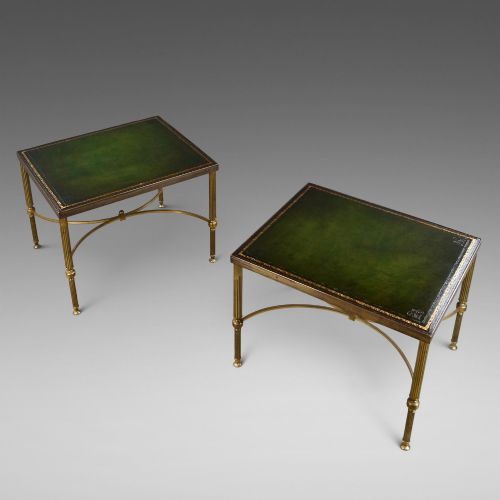
Fireplace companion sets, brass etageres and tooled leather boxes transition easily into contemporary interiors as functional decor. Iron fire tools and andirons anchor a hearth, whilst side tables and leather book-tables provide surface space.
Larger wooden items like hat blocks and wine bottle corkers serve as sculptural display pieces on shelves or consoles. Their honest materials and utilitarian origins complement rustic and modern settings alike.
Were these objects made for domestic or trade use?
The inventory contains a mixture of both domestic hearth accessories and professional trade equipment. Domestic items include bellows, corkers and sewing sets used within the home.
Trade and scientific apparatus include milliners form hat stretchers, dairy cheese presses and marine instruments. Each category reflects the rigorous standards of French craftsmanship from its respective period.