




French Two Door Cabinet
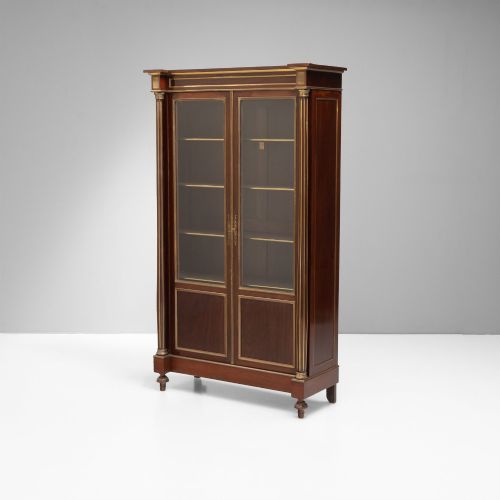
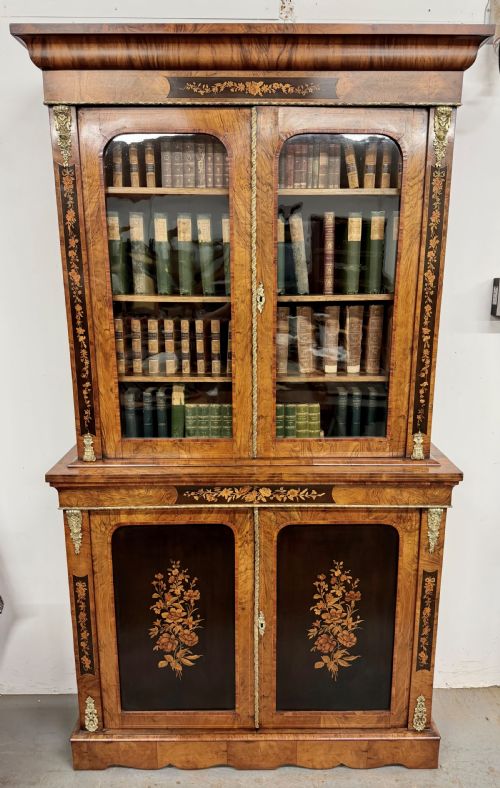
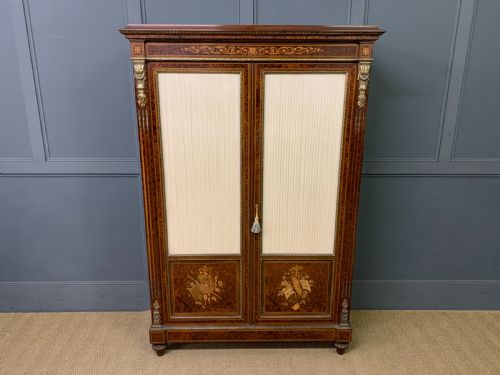
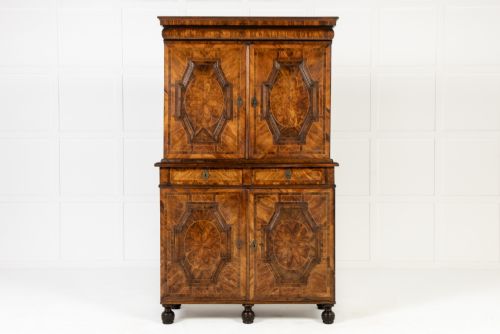
A french two door cabinet brings architectural presence and generous storage to a room, spanning rustic provincial timbers to refined city showrooms.
French Two Door Cabinet
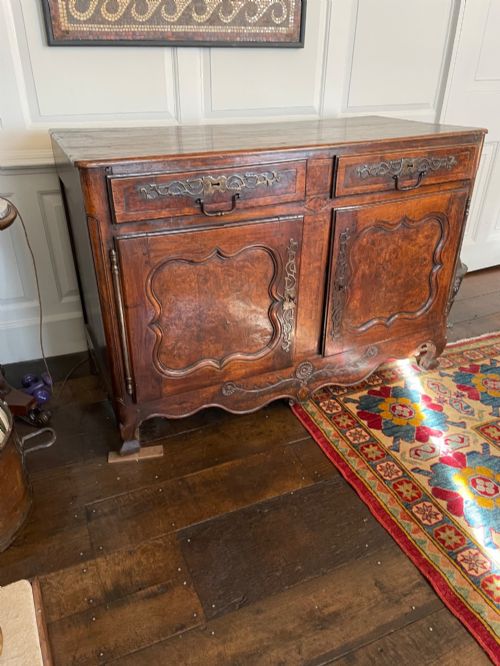
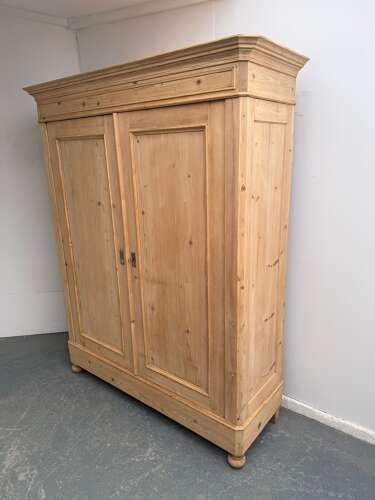
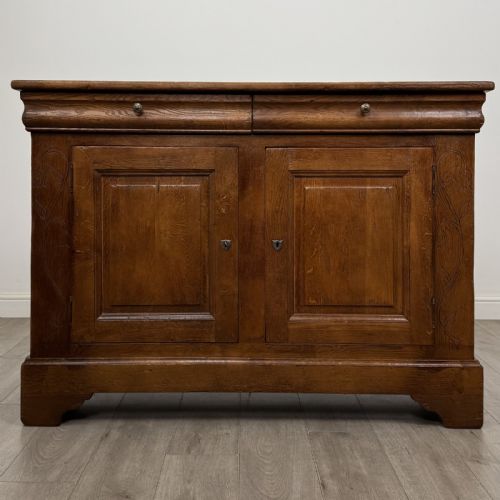
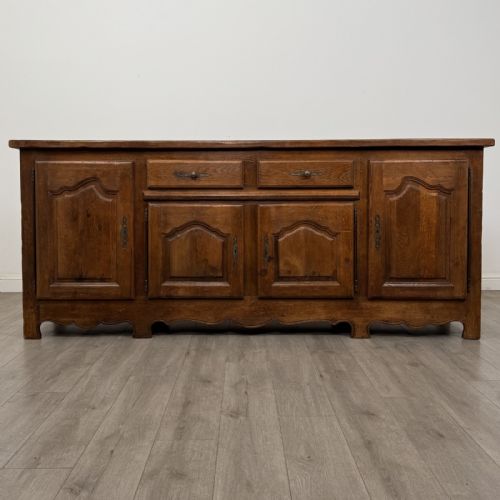
When searching for a french two door cabinet, buyers encounter a diverse range of functional furniture forms designed for domestic storage and display. The selection encompasses robust armoires, bookcases, sideboards, buffets, and vitrines originating from various regional workshops.
The pieces span multiple centuries, with examples originating from the seventeenth, eighteenth, and nineteenth centuries alongside later nineteenth and twentieth-century interpretations. Provincial expressions exist alongside formal revival styles.
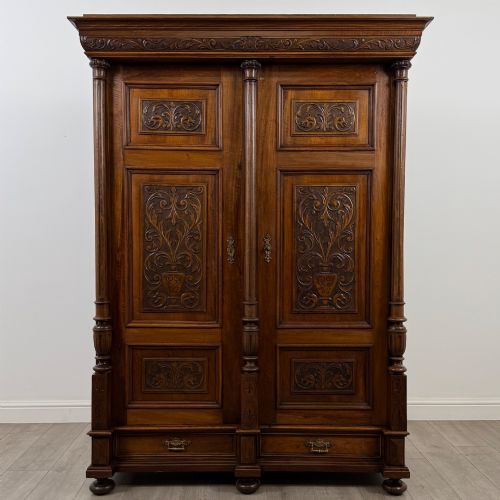
Most items on this page lean towards provincial timbers and classic walnut or mahogany constructions. Buyers frequently meet pieces defined by regional French cabinet-making traditions, ranging from heavy oak armoires to glazed display cabinets.
How they were made
Cabinet-makers relied heavily on solid hardwoods like oak, walnut, cherry wood, and mahogany for structural integrity and longevity. Regional pieces often utilised local timbers such as fruit wood, chestnut, and pine, particularly in provincial houses.
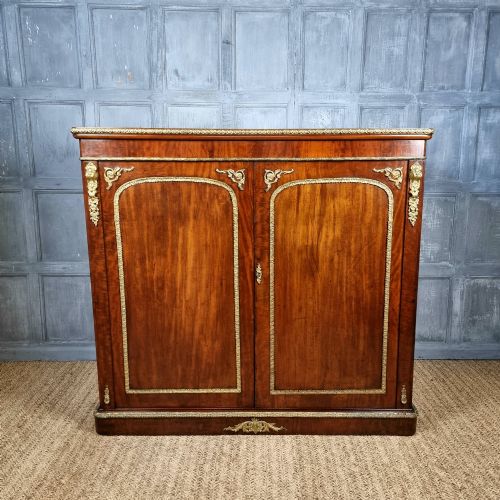
Decorative surfaces frequently incorporated marquetry inlays, amboyna, or painted finishes, sometimes complemented by marble tops. Metal components like brass mounts, steel hinges, and ormolu details provided functional reinforcement and visual contrast.
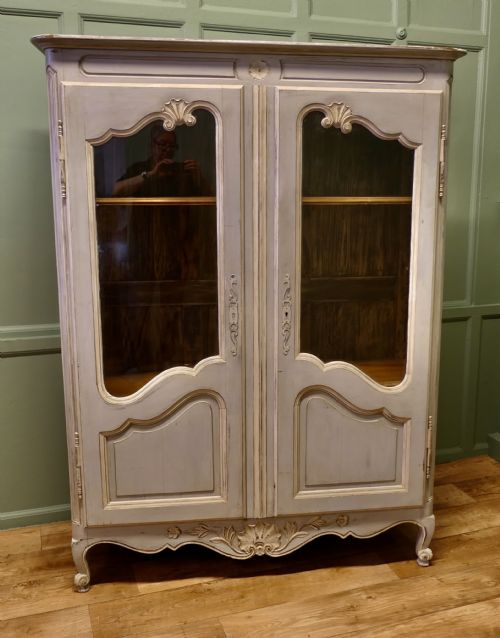
Construction techniques balanced utilitarian strength with aesthetic refinement, utilising pegged joints in earlier provincial pieces and sophisticated veneering in later revival models. Glazed doors incorporated individual glass panes held within wooden framing.
French Two Door Cabinet Retail Price Guide 2026
Typical asking prices for french two door cabinet among the pieces listed under this phrase on Sellingantiques today, from the lower quarter to the upper quarter. They describe what is for sale here now, not the wider market.
Housemaid cupboards occasionally retain faint scents of old linen and beeswax trapped inside their timber panels for centuries.
What varies in quality
The standard of a piece depends heavily on the selection of timber and the precision of the cabinet-making. Superior items display finely figured wood grains, seamless marquetry, and robust internal construction that has survived centuries of use.
Decorative embellishments set different tiers of craftsmanship apart, from plain provincial utility cupboards to elaborate ormolu mounts and vernis martin painted panels. The integration of original brass hardware and marble tops indicates higher status production.
Proportion and architectural balance dictate the overall success of the design. Master craftsmen achieved harmonious lines even in utilitarian forms like housemaid cupboards and linen presses, whereas lesser examples can appear heavy or unbalanced.
Gillows
The French Two Door Cabinet Glossary
- Armoire
- A large wardrobe or cupboard featuring two doors designed for hanging or folding garments. These pieces often anchor bedroom or hallway spaces with significant height.
- Vitrine
- A glass-fronted display cabinet intended for showing porcelain, books, or curiosities. The framing often incorporates delicate woodwork or gilt metal mounts.
- Ormolu
- Gilt bronze ornamentation applied to furniture for decorative effect. This technique adds a bright metallic contrast to dark woods like walnut and mahogany.
- Marquetry
- The art of applying pieces of veneer to a structure to form decorative patterns and pictures. Craftsmen used various coloured woods to achieve detailed floral or geometric motifs.
- Provincial
- Refers to furniture made in the regions outside Paris, typically characterised by local timbers and sturdy, functional designs. These items reflect traditional rural craftsmanship rather than courtly fashions.
French Two Door Cabinet: Frequently Asked Questions
Where were these cabinets used?
These cabinets served multiple functions across the home, acting as primary storage in bedrooms, dining rooms, and libraries. Housekeepers and housemaids utilised them for linens, provisions, and tableware.
Larger armoires and cupboards stood in main living areas or hallways for everyday utility. Vitrines and bookcases were placed in parlours to display valuable books and decorative objects.
How do I style a french two door cabinet?
A large cabinet anchors a room well when placed against a plain wall, allowing the wood grain or painted finish to stand out. Use the top surface for balanced decorative arrangements such as candlesticks or ceramics.
Glass-fronted versions benefit from thoughtful interior lighting and curated displays behind the panes. Ensure surrounding furniture complements the timber tone and historical period of the piece.
How do I tell an 18th century piece apart from later ones?
Early pieces from the seventeenth and eighteenth centuries typically exhibit hand-carved details, pegged joints, and heavier regional timbers like solid oak or cherry wood. Construction methods show the clear marks of hand tools rather than industrial machinery.
Later nineteenth-century and revival pieces often incorporate machine-cut veneers, standardised hardware, and lighter secondary woods. Stylistic revivals also borrow decorative vocabulary from specific historical reigns like Louis XVI.
What is the difference between an armoire and a buffet?
An armoire is a tall, vertical storage piece with two full-length doors designed primarily for garments or large domestic items. They command significant vertical space in a room.
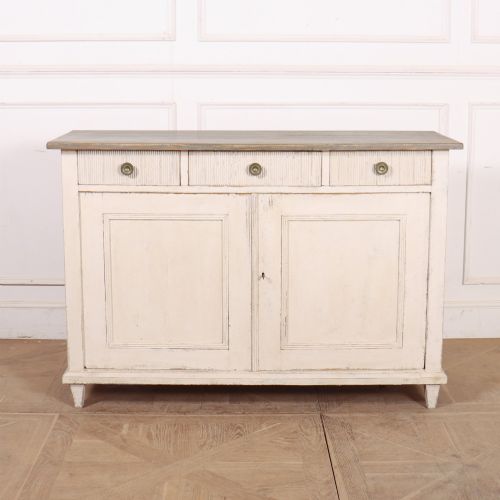
A buffet is a lower sideboard structure intended for dining rooms, typically used to store tableware and serve food. Buffets prioritise surface area and drawer space over tall hanging compartments.