

French Table with Drawers
A french table with drawers combines everyday utility with regional character, offering practical storage alongside the warmth of traditional timbers.
French Table with Drawers
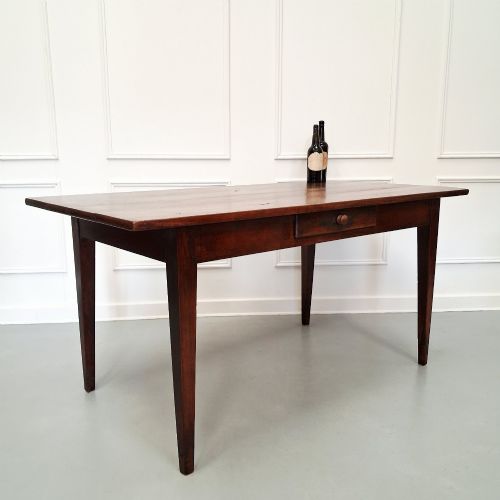
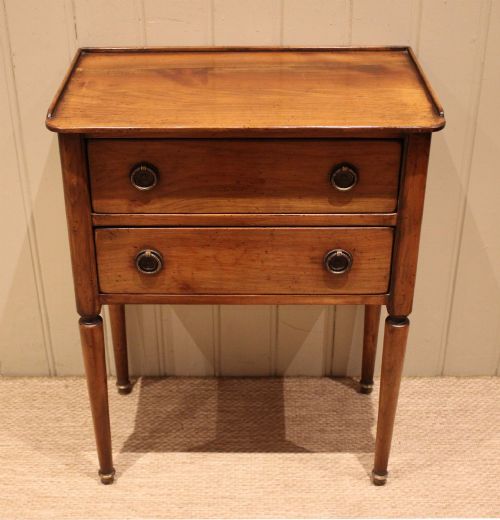
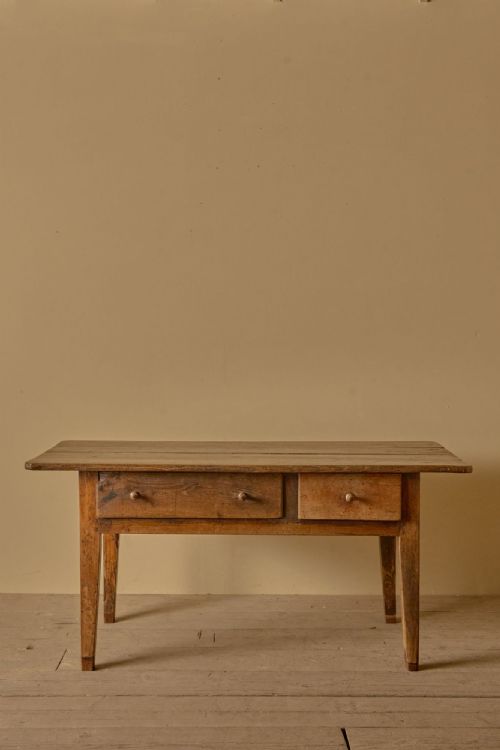
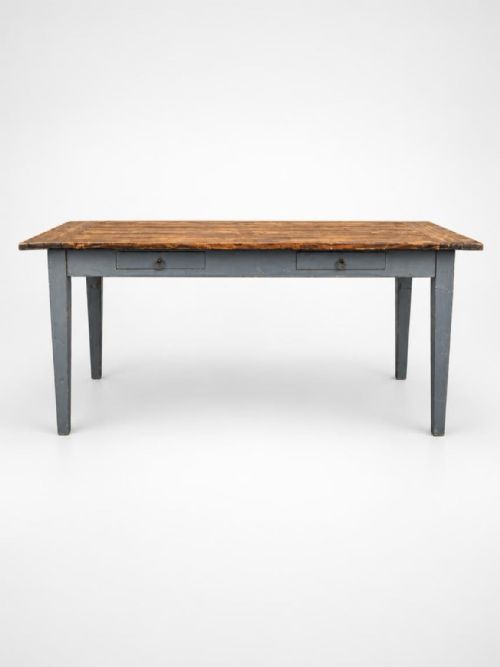
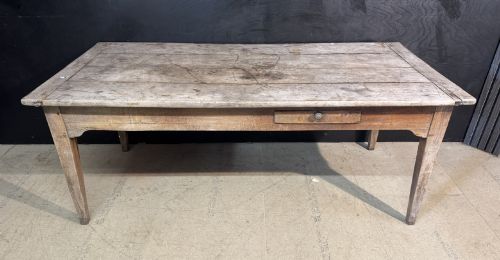
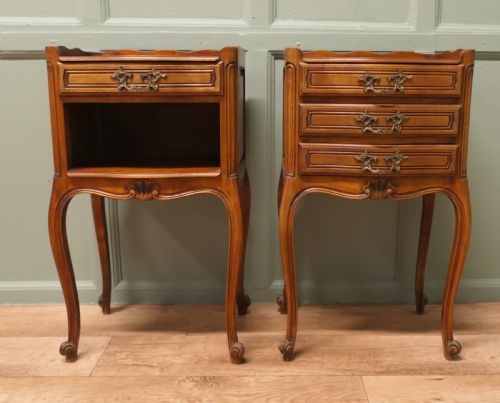
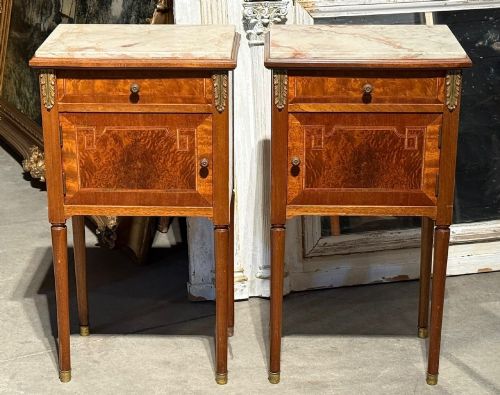
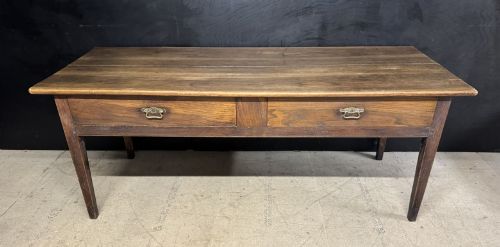
When searching for a french table with drawers, buyers encounter a diverse selection ranging from robust farmhouse boards to refined console and bedside units. The options span centuries of cabinetmaking, with nineteenth-century examples appearing most frequently across these listings.
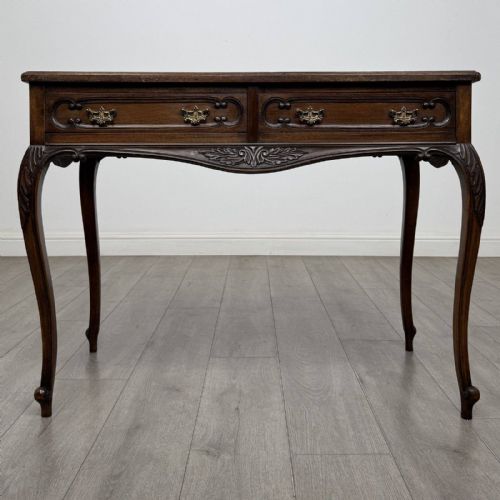
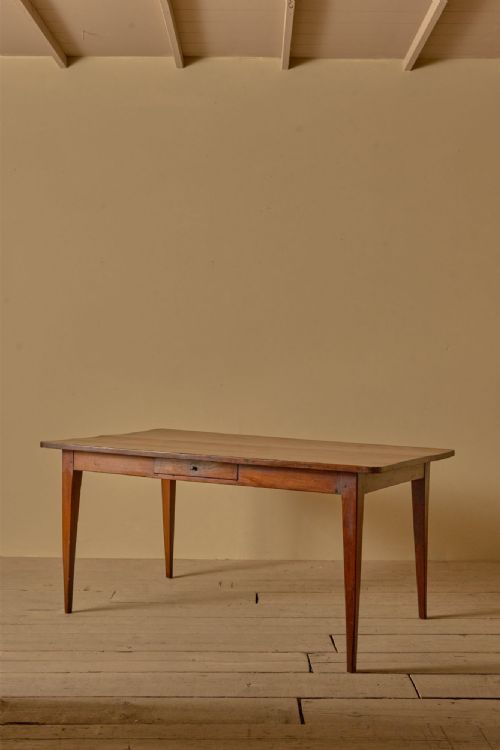
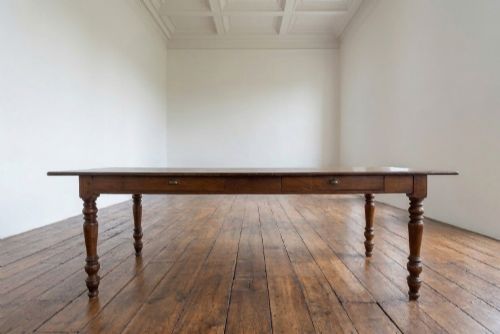
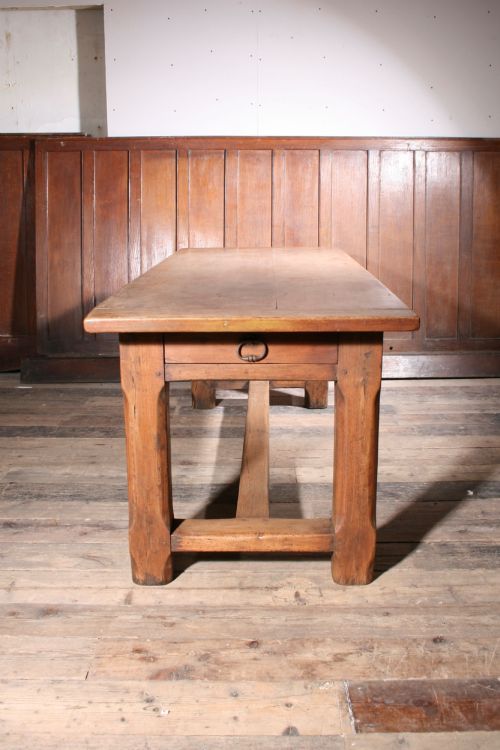
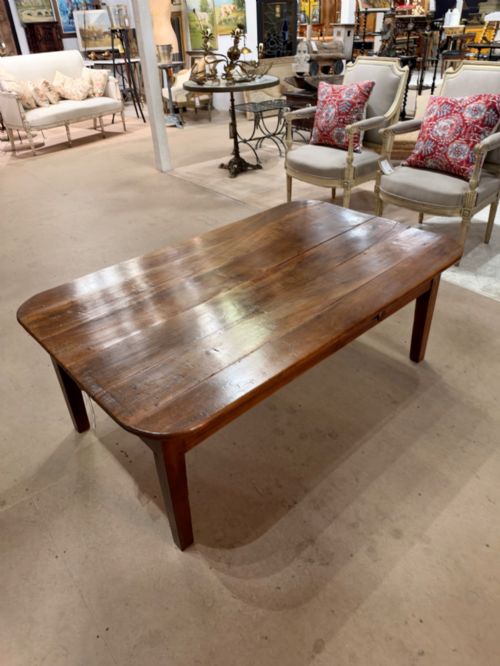
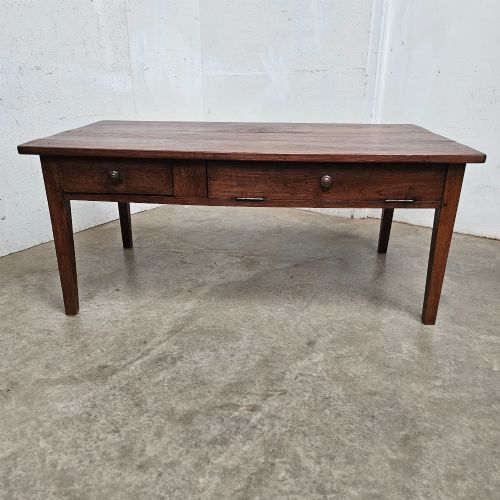
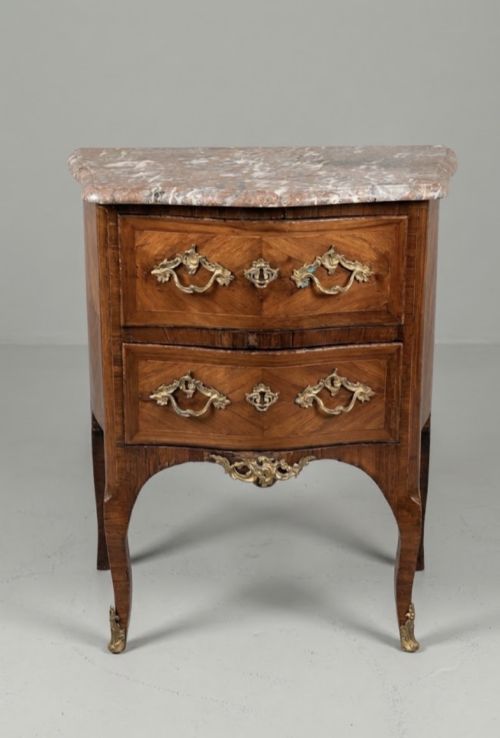
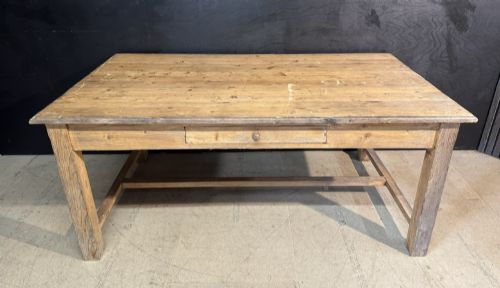
Forms vary significantly according to their original function, including dining boards fitted with end drawers, compact side tables, and marble-topped console pieces. Regional workshops produced these designs in styles such as provincial oak, rustic farmhouse, and ornate Louis formats.
How they were made
Cabinetmakers utilised regional hardwoods such as walnut, cherrywood, oak, fruitwood, and chestnut for structural frames and surfaces. Secondary timbers like pine frequently support internal drawer construction and undershelves.
Construction methods combine traditional joinery with decorative elements including brass handles, ormolu mounts, and inlaid veneers. Certain surfaces incorporate polished marble tops or painted finishes applied over the bare timber.
French Table with Drawers Retail Price Guide 2026
Typical asking prices for french table with drawers among the pieces listed under this phrase on Sellingantiques today, from the lower quarter to the upper quarter. They describe what is for sale here now, not the wider market.
Several dining tables include a sliding bread board tucked beneath the top, ready to catch crumbs from long-forgotten French country loaves.
What varies in quality
Quality rests upon the selection of timber, the crispness of carved details, and the integrity of the original joints. Superior examples display carefully matched grain patterns and harmonious proportions between the legs, top, and integrated drawers.
The refinement of hardware, such as cast ormolu mounts and brass detailing, separates standard utilitarian pieces from high-style workshop productions. Original marble inserts and intact secondary wood components preserve the historical integrity of the piece.
The French Table with Drawers Glossary
- Ormolu
- Gilded bronze mounts applied to furniture for decorative effect. This technique was prevalent in high-style French cabinetmaking during the eighteenth and nineteenth centuries.
- Parquetry
- Geometric wood inlay patterns arranged on a surface. Craftsmen used contrasting timbers to create detailed tiled motifs on tabletops and desk lids.
- Demi lune
- A half-moon shape characteristic of console tables and chests. This curved form allowed furniture to sit flush against a wall while saving floor space.
- Bonheur du jour
- A small, light ladies writing desk featuring a tiered superstructure with drawers and pigeonholes above the main work surface. These originated in mid-eighteenth-century France.
- Cabriole leg
- A furniture leg that curves outward in a convex arc and then bends inward in a concave arc, terminating in a pad or foot. The design mimics the natural shape of animal limbs.
French Table with Drawers: Frequently Asked Questions
How do I use a french table with drawers in a modern kitchen?
These tables function well as central islands or prep spaces, utilising the built-in drawers to store utensils and linens.
The sturdy timber surfaces handle daily food preparation while introducing historical character to contemporary interior schemes.
Are marble top tables difficult to maintain?
Marble surfaces require gentle cleaning with neutral soap and water to prevent staining from acidic substances like citrus or wine.
Using coasters and mats protects the polished stone from scratches while preserving the original surface appearance.
How can I tell if a piece is from the nineteenth century?
Nineteenth-century pieces often exhibit hand-cut dovetails within the drawer construction and tool marks left by traditional saws.
Examining the underside and secondary timbers reveals ageing characteristics that distinguish these older works from later reproductions.
What is the difference between a farmhouse table and a console table?
Farmhouse tables are built for heavy dining and kitchen use with thick timber tops and generous proportions.
Console tables are narrower display pieces, frequently finished with marble tops and decorative mounts for placement against hallways or drawing-room walls.