





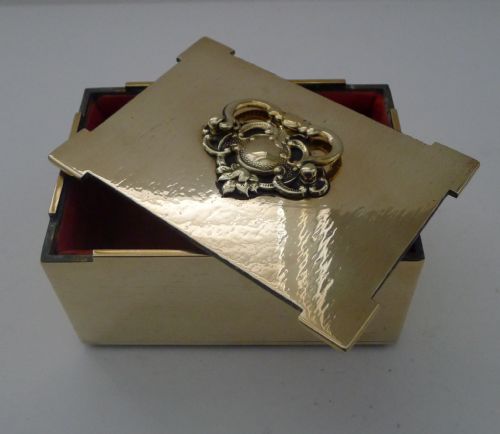


French Style Jewellery Box
A french style jewellery box holds small treasures with the flourish of nineteenth century design.
French Style Jewellery Box
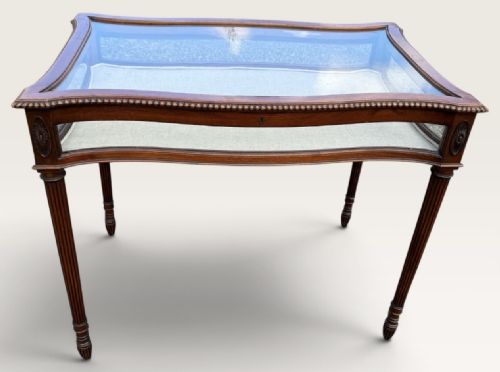
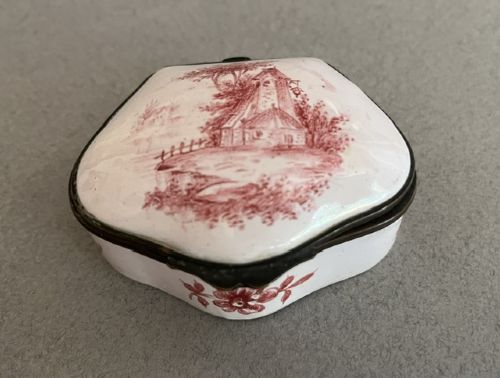
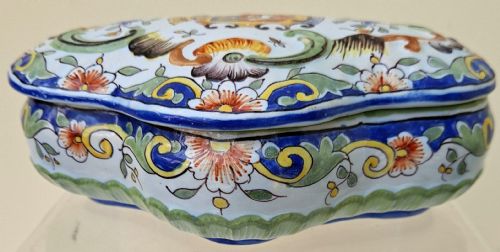
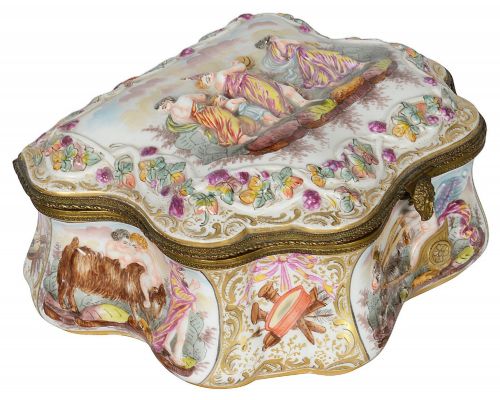
A french style jewellery box appears in forms ranging from small tabletop trinket caskets to freestanding glazed bijouterie tables. These pieces draw on Victorian and Edwardian interpretations of French Rococo Revival, Louis XVI Style, and Second Empire aesthetics.
Materials and Construction
Frames utilise dense timbers such as mahogany, rosewood, and kingwood, often enhanced by brass marquetry and inlay. Cabinetmakers joined these woods to glass panels and velvet or fabric linings designed to protect precious contents.
Metalwork relies on cast brass and ormolu, which is gilded bronze applied to mounts and feet. Porcelain elements incorporate hand-painted details and cobalt blue glazes, particularly within Sevres and Faience traditions.
French Style Jewellery Box Retail Price Guide 2026
Typical asking prices for french style jewellery box among the pieces listed under this phrase on Sellingantiques today, from the lower quarter to the upper quarter. They describe what is for sale here now, not the wider market.
Some nineteenth century bijouterie tables served as aristocratic conversation pieces where ladies displayed their visiting cards.
Distinctions in Quality
The distinction between standard items and superior examples rests on the crispness of the ormolu casting and the depth of hand-painted porcelain decoration. Finer pieces demonstrate precise joinery in serpentine wooden frames and tighter tolerances in hinged glass lids.
Makers using substantial mahogany and rosewood foundations alongside genuine fire-gilded bronze achieve a greater solidity. The integration of interior fabric linings and marked porcelain components further separates masterworks from simpler workshop productions.
Lund Of Cornhill·Sevres·Desvres
The French Style Jewellery Box Glossary
- Bijouterie table
- A glass-topped display table designed specifically for showcasing small ornaments, medals, and jewellery. These pieces elevate storage into a deliberate exhibition format.
- Ormolu
- Gilded bronze applied as decorative mounts and feet on furniture and caskets. The technique involves coating metal with a gold amalgam.
- Faience
- Tin-glazed earthenware produced in France and often decorated with hand-painted motifs. It frequently appears on nineteenth-century boxes and covers.
- Sevres
- Porcelain produced by the royal French manufactory known for rich cobalt blue grounds and gilt detailing. Pieces bearing these characteristics command attention from collectors.
- Serpentine
- A curved line of furniture moulding or framing that undulates outward and inward. This shape adds movement and visual complexity to box lids and table skirts.
French Style Jewellery Box: Frequently Asked Questions
What is a bijouterie table?
A bijouterie table is a display piece featuring a glazed top and sides designed to exhibit small collections of jewellery and trinkets.
These tables combine the function of a cabinet with the intimate scale of a traditional jewellery box.
How do I identify French Revival styles?
French Revival pieces display characteristic elements like ormolu mounts, serpentine curves, and elaborate floral or classical motifs.
Victorian and Edwardian cabinetmakers adapted these continental designs to suit British interiors using local and exotic woods.
What materials were used inside?
Interiors are typically lined with velvet, silk, or textured fabric to cushion delicate items against hard wood or glass.
These linings complement the exterior materials and protect the contents from shifting during use.
How do I care for antique glass and wood?
Protect wood surfaces from direct sunlight and excessive humidity to prevent warping or fading of mahogany and rosewood.
Clean glass panels with a soft cloth and mild solution while avoiding moisture contact with metal mounts and fabric linings.