





French Style Display Shelf
When you search for french style display shelf, you find tiered etageres and wall brackets shaped by nineteenth-century revival tastes.
French Style Display Shelf
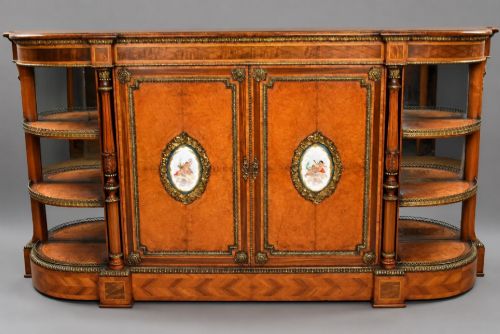
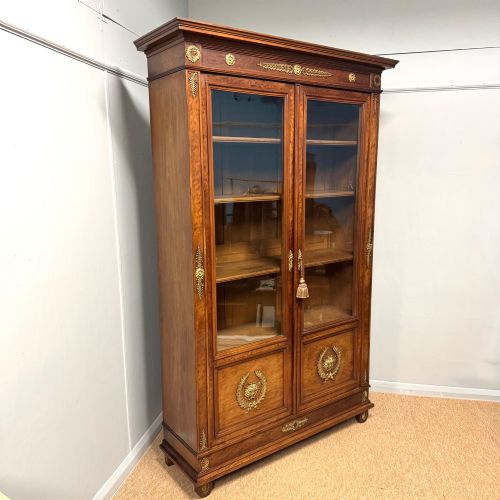
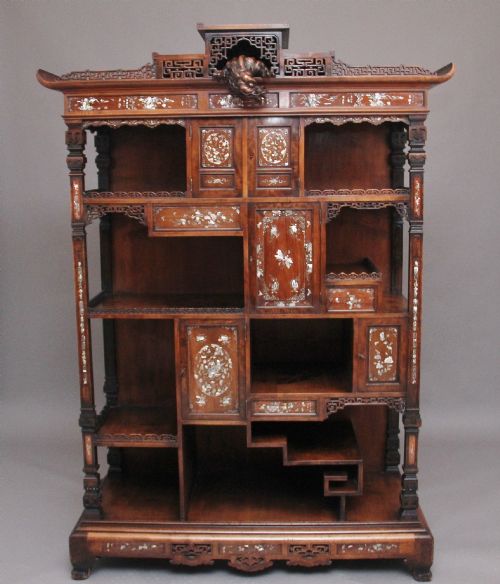
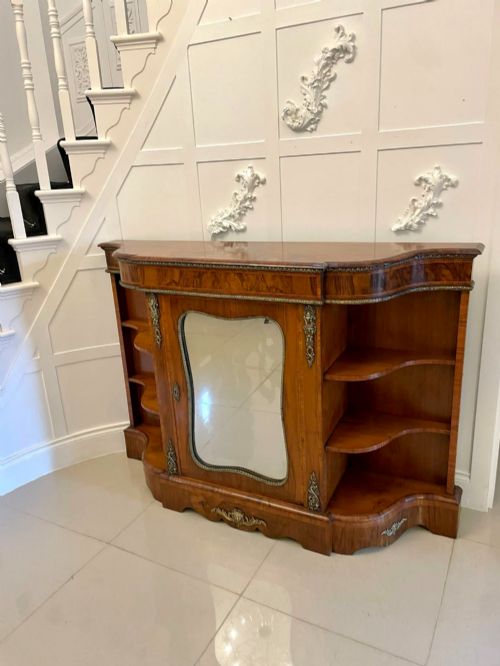
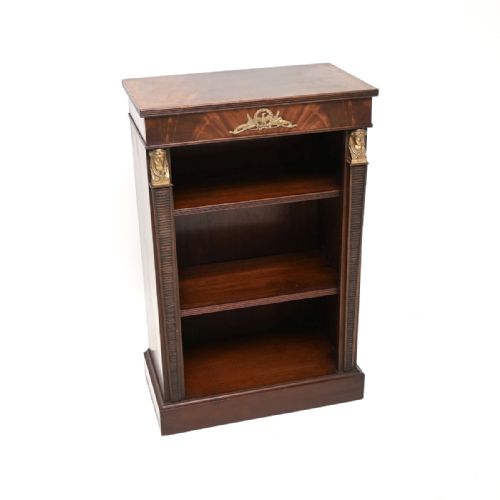
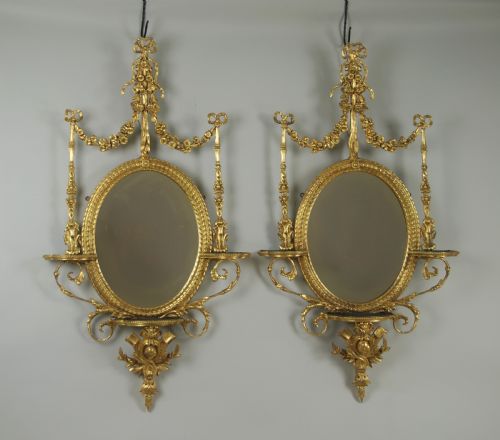
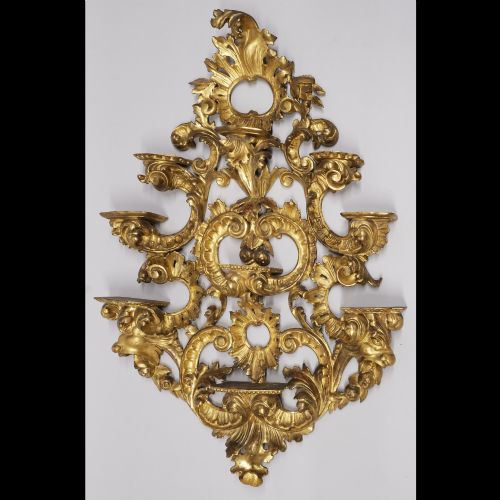
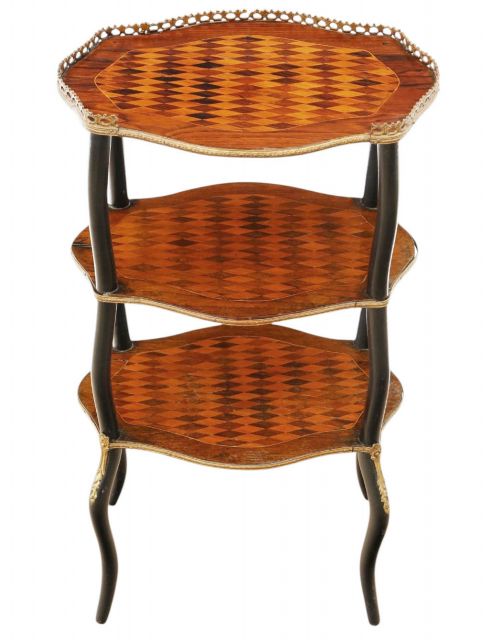
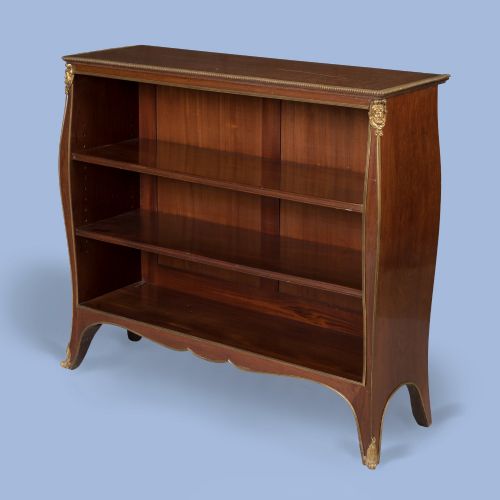
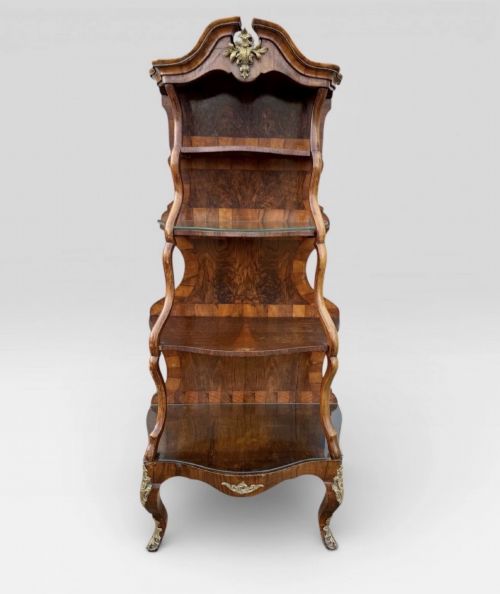
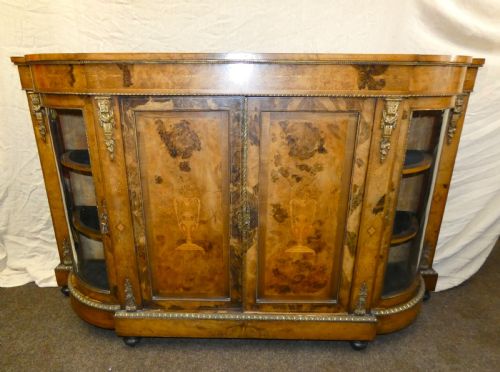
A french style display shelf groups together open etageres, wall brackets, and glass-fronted cabinets originating from the nineteenth and early twentieth centuries. These pieces reflect revival styles, including Louis XV, Rococo, Empire, and neoclassical designs.
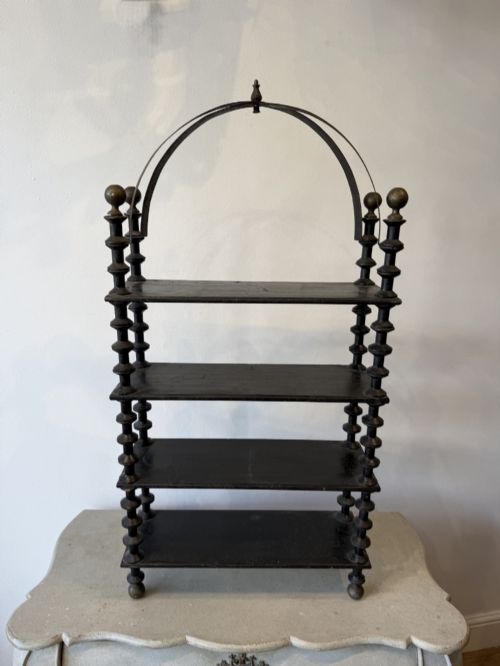
Floor-standing etageres and smaller wall-mounted shelves provide multi-tiered surfaces for holding ornaments and books. They take the form of open frameworks or mirrored backplates designed to show off decorative objects.
Walnut, mahogany, and rosewood form the main timber structures, often enriched with marquetry or parquetry inlays. These woods give the pieces their characteristic dark warmth and varied grain patterns.
How they were made
Cabinet makers utilised dense hardwoods like walnut, mahogany, and rosewood, sometimes applying ebonised finishes or delicate parquetry patterns. Surfaces often feature marquetry details or contrasting wood veneers.
Ormolu and gilt metal mounts accent the structural corners and borders, secured alongside carved giltwood and gesso enrichments. Glass panels appear in doors and vitrine tops, while brass fittings support tiered shelving units.
French Style Display Shelf Retail Price Guide 2026
Typical asking prices for french style display shelf among the pieces listed under this phrase on Sellingantiques today, from the lower quarter to the upper quarter. They describe what is for sale here now, not the wider market.
Listings feature walnut, mahogany, and rosewood timbers paired with ormolu mounts and gesso detailing across the nineteenth and early twentieth centuries.
What varies in quality
The refinement of the surface ornament dictates the distinction between standard examples and finer works. Crisp hand-carving in giltwood and detailed ormolu mounts separate exceptional pieces from simpler productions.
The choice of timbers and the precision of the marquetry inlay reveal the maker's skill. Finely figured walnut and rosewood veneers paired with complex parquetry demonstrate superior craftsmanship.
Gabriel Viardot·Thomas Justice And Sons
The French Style Display Shelf Glossary
- Etagere
- A set of open shelves for displaying small objects or ornaments. These pieces typically feature multiple tiers supported by slender uprights.
- Ormolu
- Gilt bronze mounts applied as decorative ornaments to furniture corners and borders. This material catches the light and frames the timber panels.
- Marquetry
- Decorative patterns formed by fitted veneers of various coloured woods. Craftsmen apply these thin wood slices to create pictorial or geometric designs.
- Vitrine
- A glass-fronted cabinet designed for displaying porcelain and collectibles. These enclosures protect delicate items while offering clear views from multiple angles.
- Gesso
- A plaster-like mixture applied to wood surfaces and carved before gilding. This ground layer holds crisp detail beneath layers of gold leaf.
French Style Display Shelf: Frequently Asked Questions
What is an etagere?
An etagere is an open-tiered shelving unit designed for displaying small ornaments and decorative objects. These multi-level pieces stand on floors or mount directly onto walls.
Originating in nineteenth-century French interiors, they provide accessible surfaces while occupying minimal floor space. The open framework allows light to pass through the tiers.
How do I style a wall bracket?
Wall brackets provide a compact ledge for supporting single ornamental items like small clocks or porcelain figures. They attach securely to vertical surfaces.
Position them at eye level to create focal points in hallways or reception rooms. The carved giltwood and walnut finishes complement traditional and eclectic interiors.
Where were these shelves placed?
These display pieces found homes in nineteenth-century drawing rooms, boudoirs, and reception spaces. They held collections of small valuables, books, and ceramic pieces.
Floor-standing units anchored room corners, while wall brackets utilised vertical wall space. Their open designs encouraged the display of collected treasures.
How do I identify a revival piece?
Revival pieces combine nineteenth-century manufacturing techniques with stylistic elements from earlier French periods like Louis XV or the Empire. Look at the construction joints and secondary timbers for period clues.
Ormolu mounts, gesso details, and walnut veneers provide strong indicators of nineteenth-century interpretation. The integration of mirror glass and marquetry also points toward Victorian and Edwardian workshops.